
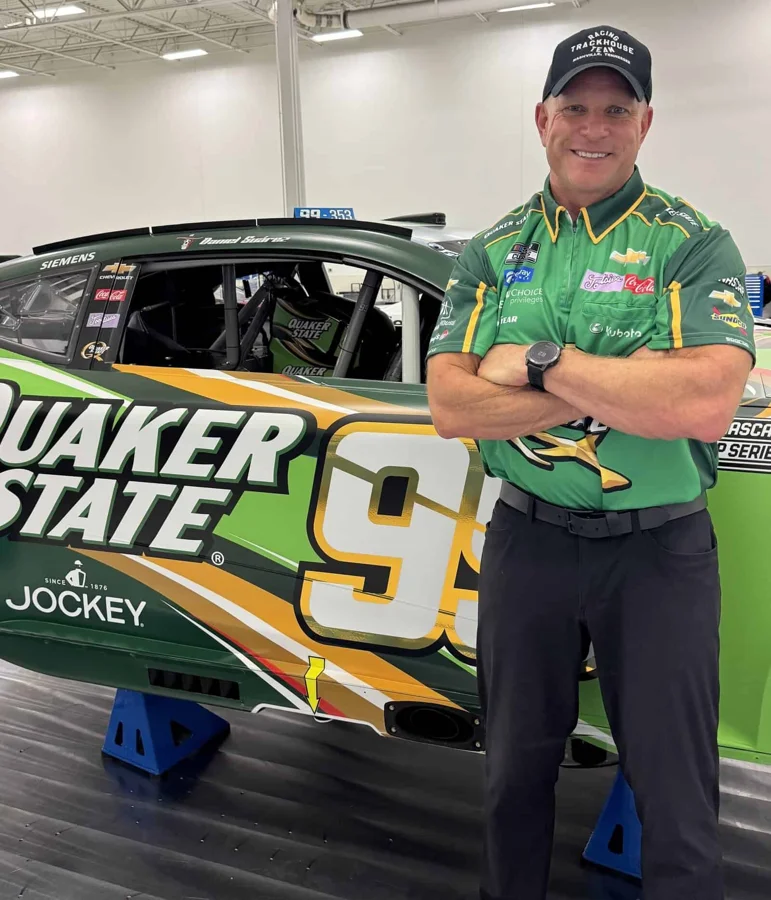
Trackhouse Racing‘s modern NASCAR team approach is reshaping the competitive landscape of stock car racing, introducing a culture built on kindness, resilience, and valuing individuals. Emerging as a force in just five years, the organization led by Justin Marks and inspired by the vision of Shaun Peet is setting a new standard for what it means to succeed both on and off the track.
The Evolution of NASCAR’s Competitive Spirit
NASCAR’s signature style has long centered on fierce competition, with driver rivalries, dramatic finishes, and high-stakes moments fueling passionate fan engagement. While the series continues to innovate on the racing calendar—embracing street and road courses to capture younger audiences—the underlying spirit of the sport is experiencing a profound transformation. The shift is not just about expanding the spectacle but also about how NASCAR teams define themselves internally and externally.
Trackhouse Racing exemplifies this new era more than any other team in the paddock. Founded five years ago, the organization‘s aim is not only to accumulate race wins, but also to push the boundaries of what is possible for a NASCAR franchise. Justin Marks recognized that true success is measured by more than victories, and this philosophy is embedded deeply within Trackhouse’s structure.
Shaun Peet: From the Ice to the Infield
At the core of Trackhouse’s culture stands Shaun Peet, the team’s pit crew coach and Chief Kindness Officer. Peet’s unique journey into racing began accidentally—having started out on Vancouver Island playing hockey, he crossed into NASCAR after an unexpected chain of events led him to pit road in North Carolina. Instead of aspiring to a life in racing, Peet discovered his calling through a mixture of serendipity and circumstance, channeling skills built from athletic teamwork and perseverance in hockey into the NASCAR domain.
Peet’s origin story as a pit crew coach is as unconventional as it is inspiring, demonstrating the importance of resilience and adaptability. Thrust into the heart of NASCAR ‘country’ after an 18-game suspension from hockey, he found a new opportunity at Bill Davis Racing, where circumstances aligned for him to transition from the ice to pit road. Today, Peet credits his background for fostering a sense of selflessness and courage that is reflected in the culture he cultivates.
Building a Culture of Human Brilliance
Shaun Peet’s dual roles—as pit crew coach and Chief Kindness Officer—present a rare and demanding combination. Managing the organization’s four cars, he also steers the culture for Trackhouse’s MotoGP efforts, aiming to nurture what he calls ‘human brilliance’ in every crew member. His ethos is about recognizing the value of individuals beyond mere athletic ability and showing that kindness can be an engine for both personal and organizational transformation.
The Trackhouse environment intentionally focuses on making each team member feel valued. According to Peet, this principle comes directly from Marks’s leadership vision. Rather than trying to outspend powerhouse teams run by industry titans like Hendrick, Penske, or Joe Gibbs, Trackhouse’s competitive edge can be traced to its commitment to creating a culture in which people thrive because they are genuinely appreciated and supported.
Peet reflects on his favorite aspect of the job, emphasizing the fulfillment found not only in strategic race-day successes—such as outpacing competitors during pit stops—but also in making a positive difference in people’s lives. He points to the team’s status as the only NASCAR organization to win the Comcast Community Champions Award, an honor paralleling the NFL’s Walter Payton Award, as a particular source of pride. Witnessing teammates become outstanding fathers and well-rounded individuals, for Peet, embodies the team’s core mission.
Kindness and Team-Building through Tough Times
Trackhouse’s culture is characterized by humility, intentional support, and a higher purpose anchored in caring for each other. When unexpected events challenge the status quo—such as a win at Kansas coinciding with Hurricane Helene’s impact on Asheville—Peet mobilized the pit crew for community service, with Marks personally joining the recovery efforts. This commitment to serve highlights the organization’s dedication to making positive impacts beyond racing itself.
Central to this approach is an unwavering belief in valuing each person’s contributions. Peet says the team’s ‘North Star’ philosophy has been in place since Trackhouse’s founding, guiding decision-making and even leading to difficult personnel choices if alignment with the core culture is lacking. For Trackhouse, inspiring people and helping them grow takes precedence over resumes or traditional hierarchies.
Learning from Setbacks and Nurturing a Growth Mindset
With a NASCAR season spanning 38 races, the majority of weekends end without victory—a reality that can be disheartening. To counter this, Trackhouse prioritizes reframing how success is defined. According to Peet, the aim is not only to win, but to be consistently better than the day before.
After finishing second at the Phoenix championship, Trackhouse made this lesson tangible: they painted a start and finish line on the driveway to their facility, measuring the 235-foot gap that had separated them from their championship objective. Day after day, crew members drive over this visual reminder, using it as motivation to bridge intangible gaps through creativity, diligence, and teamwork. The message is clear: striving for improvement means tackling each challenge with renewed determination.
Mental Preparation on Pit Road
One innovative facet of Trackhouse’s system is their investment in mental well-being. By hiring mental health coach Joanne Perry—whose credentials include working with the Carolina Panthers—the team provides robust support for handling the stress unique to NASCAR pit crews. Social media scrutiny, the pressure for flawless performance, and a fast-paced environment magnify mental challenges.
Peet advocates seeing pressure as a privilege—a notion encapsulated by the wisdom of legendary baseball manager Tommy Lasorda, who once said,
“The only time you feel pressure is when you start to think about failure.”
—Tommy Lasorda. This mindset helps the pit crews reframe their anxieties, emphasizing rapid recovery from mistakes and learning to fail constructively. Peet reminds his crew to “fail quickly” and to avoid the downward spiral of compounding errors.
Behind-the-Scenes with Drivers and Crew
Building strong relationships is at the heart of Trackhouse’s philosophy. Peet shares stories of quiet, impactful moments with drivers such as Ross Chastain and Shane van Gisbergen (SVG). Simple check-ins ahead of competitions have occasionally led to breakout performances, as when SVG’s preparation for road course races resulted in successive victories. These interactions reveal a shared humanity and commitment to personal bests among the Trackhouse family.
Importantly, Peet aims to dispel common misconceptions about NASCAR pit crews. Fans often blame the crew for pit stop outcomes, but in reality, factors like driver positioning, box accuracy, crew chief instructions, and driver response times all contribute. Pit performance is a complex interplay of roles—something Peet wishes more enthusiasts could fully appreciate.
The Vision for Lasting Change in NASCAR
Trackhouse Racing’s long-term mission is to drive a permanent shift in the culture of the sport. Peet envisions transforming everything from the racetrack workforce to the sponsor experience. The team rejects the notion of doing things “as they’ve always been done”—a belief evident in their approach to team organization, business practices, and even the physical design of team facilities.
This forward-thinking outlook encourages innovative partnerships, positioning Trackhouse as an attractive collaborator within NASCAR’s corporate ecosystem. In the eyes of Peet and Marks, creating genuine value for all stakeholders will ensure that Trackhouse’s impact extends far beyond the next checkered flag.
The Road Ahead: Anticipating Richmond and Continuing Growth
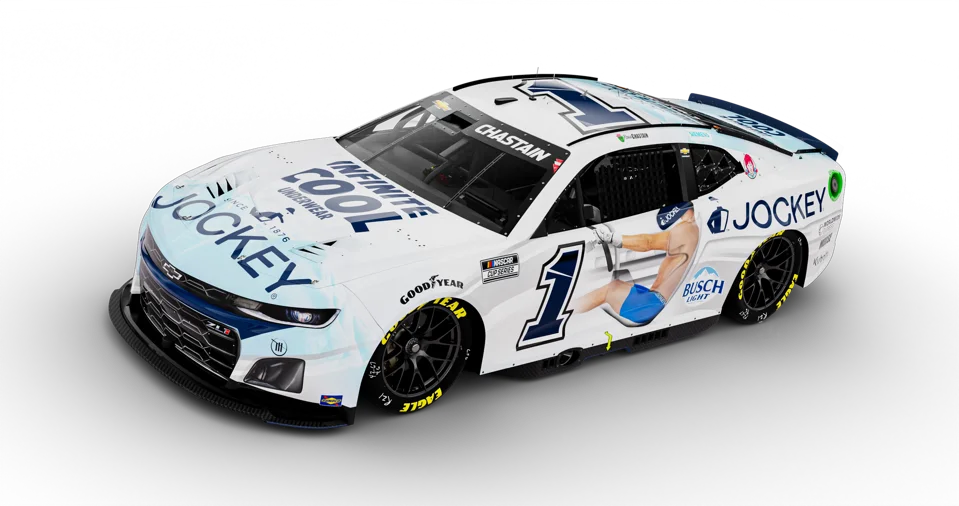
With the next race scheduled at Richmond, Trackhouse remains focused, with Daniel Suarez and Ross Chastain set to compete under the notable Quaker State colors. The pressure is mounting as the playoffs approach and the stakes grow higher. Every detail, from pit crew readiness to race-day execution, is receiving careful attention as Trackhouse seeks to continue embodying its modern NASCAR team approach.
Trackhouse Racing’s evolution—shaped by the vision of Justin Marks, and cultivated by Shaun Peet’s commitment to kindness, resilience, and purpose—signals a new direction for NASCAR. By valuing the people who power the teams, investing in mental and emotional strength, and pursuing a transformative legacy, Trackhouse is redefining success one race, and one relationship, at a time.

