
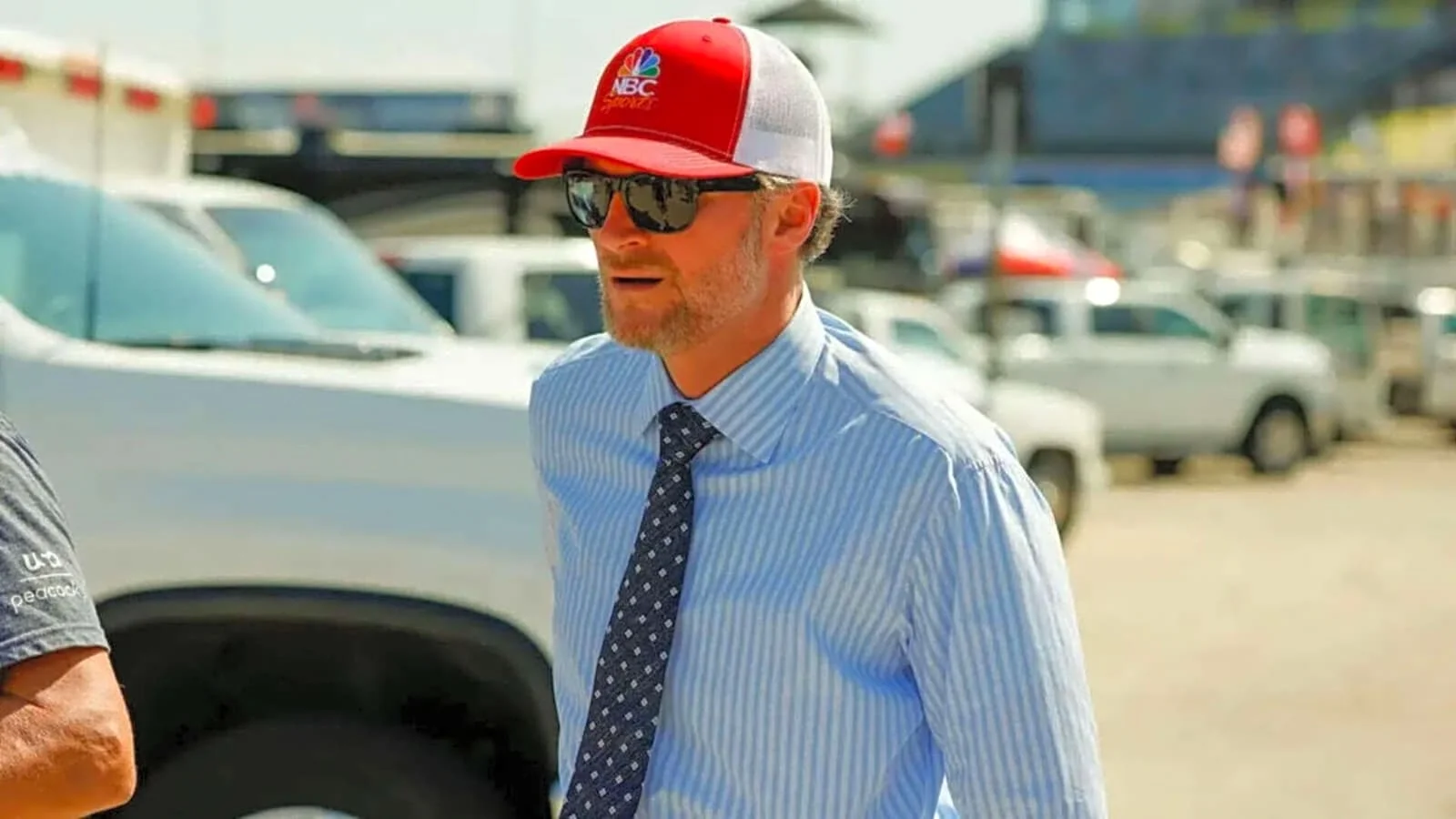
The ongoing debate about the NASCAR Next–Gen car took center stage again this week, as Dale Earnhardt Jr. openly challenged the vehicle’s reputation during a conversation with Kyle Larson. Opinions remain divided among drivers and supporters, with Earnhardt expressing strong Dale Earnhardt Jr. Next-Gen car criticism and concerns about the quality of racing the car delivers since its 2022 debut.
New Technology Promised Change But Left Many Divided
The introduction of the Gen 7, or Next-Gen car, was meant to modernize the Cup Series by introducing features such as independent rear suspension, composite bodies, a symmetrical chassis, and low-profile tires. NASCAR leaders intended for these upgrades to lower costs, even the playing field among teams, and bring the technology in line with modern standards. While some say the shift has produced closer races and has given a bigger range of teams the chance to compete for wins, others feel that significant sacrifices have been made.
Many observers believe the car has succeeded in tightening competition and making the series more unpredictable. However, a group of drivers and traditionalists argue that these advances have dulled the strategic depth of races, especially at classic tracks. Key elements such as tire wear, brake management, and race strategy—long seen as trademarks of great NASCAR battles—have been muted, leading to worries that some of the sport’s core qualities are being lost.
Earnhardt and Larson Represent Opposing Views
The differences came sharply into focus during Dale Earnhardt Jr.’s recent discussion with Hendrick Motorsports star Kyle Larson on The Dale Jr. Download podcast. Larson, one of the biggest beneficiaries of the Next–Gen car era with 16 victories since it launched, has already racked up three wins, 14 top-10s, and a pole this season, placing him 5th in the current Cup Series standings. He has repeatedly voiced satisfaction with the new car’s performance and the opportunities it has given him as a driver.
Earnhardt, on the other hand, has not held back in articulating his concerns about the car’s impact on NASCAR. Speaking about Larson’s defense of the vehicle’s performance and influence, Earnhardt said,
“I don’t know, man. I mean, Kyle’s… Kyle has—uh, Kyle… I really, really respect Kyle. Think the world of him. Um, and I appreciate his opinion but I would just disagree that the car doesn’t produce what I expect,”
—Dale Earnhardt Jr., Former NASCAR Driver and Team Owner.
He continued to reference his long history in the sport, emphasizing,
“Again, going back to 75 years… I know Kyle’s been around a long time. The car doesn’t produce the kind of racing that I know we are capable of at road courses and short tracks,”
—Dale Earnhardt Jr., Former NASCAR Driver and Team Owner.
Earnhardt further explained his viewpoint with,
“The car does not produce the type of racing that I think should be our standard and I know what we’re capable of at road courses and short tracks. And I would not stop at trying to achieve amazing, great racing at those style of tracks until we achieved it. I wouldn’t stop trying to get there. And I don’t think we’re there. And I think it’s mainly due to the racecar. Right.”
—Dale Earnhardt Jr., Former NASCAR Driver and Team Owner.
For Earnhardt, the Next–Gen car has shifted the style of competition, making racing resemble that of sports cars rather than classic stock car action. He points out the diffuser, wider tires, and stronger brakes as contributors to reduced tire wear and diminished opportunities for strategy—especially on road courses and short tracks, areas in which fans and drivers expect exciting, variable competition.
The Ongoing Impact on NASCAR’s Future
The controversy between major figures such as Kyle Larson and Dale Earnhardt Jr. has kept attention squarely on the future direction of the Cup Series and the Next–Gen car. As the split in driver and fan sentiment persists, the calls for further changes are unlikely to fade. For now, NASCAR leaders face mounting pressure to either refine the current racing product or address criticisms directly if they wish to preserve the unique aspects that have long defined the sport and its best tracks.
The results of these open discussions and debates will likely play a critical role in shaping both upcoming car changes and the continued evolution of NASCAR competition, especially as supporters of both sides urge decision-makers to uphold what makes the sport distinctive on both short tracks and road courses.

