
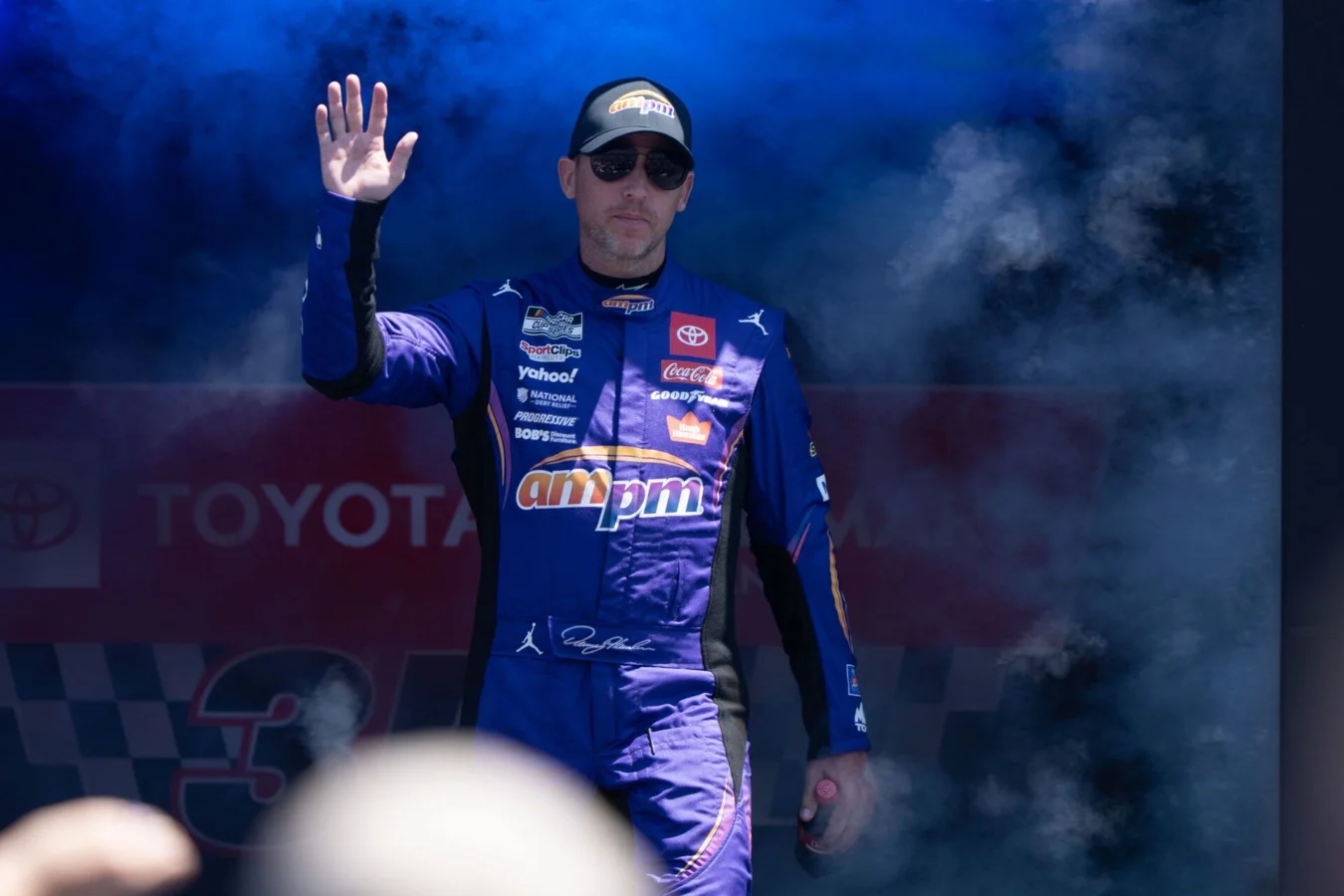
Denny Hamlin NASCAR villain persona has fueled intense debate among fans, especially as Hamlin’s public image continues to spark split reactions at tracks across the country. The well-known driver is both admired and criticized for his in-race conduct, making him a central figure in ongoing NASCAR conversations about sportsmanship and reputation.
Controversy Surrounding Hamlin’s Reputation
For years, Denny Hamlin has leaned into his role as one of NASCAR’s most divisive personalities. His signature sarcastic remarks, provocative celebrations, and outspoken approach on the radio have helped cement his status as a polarizing figure within the racing community. Whether at Daytona or Talladega, Hamlin hears as much applause as he does boos, underlining just how conflicted fans are about him.
Online, some have labeled Hamlin as “kind of an a**,” using social platforms to debate whether his behavior suits the villain mold. Aggressive moments on the track and run-ins with competing drivers have intensified this perception. The feud with Kyle Larson at Pocono is often cited—after Hamlin was accused of putting Larson into the wall, further fueling his “heel” status, despite Hamlin denying the charge.
Other incidents have only added to this narrative. Hamlin’s direct, uncensored commentary and fiery attitude during races have become trademarks that many fans eagerly anticipate and others criticize. These highly publicized incidents contribute to a view of Hamlin as brash and unfiltered, shaping a persona that extends far beyond the racetrack.
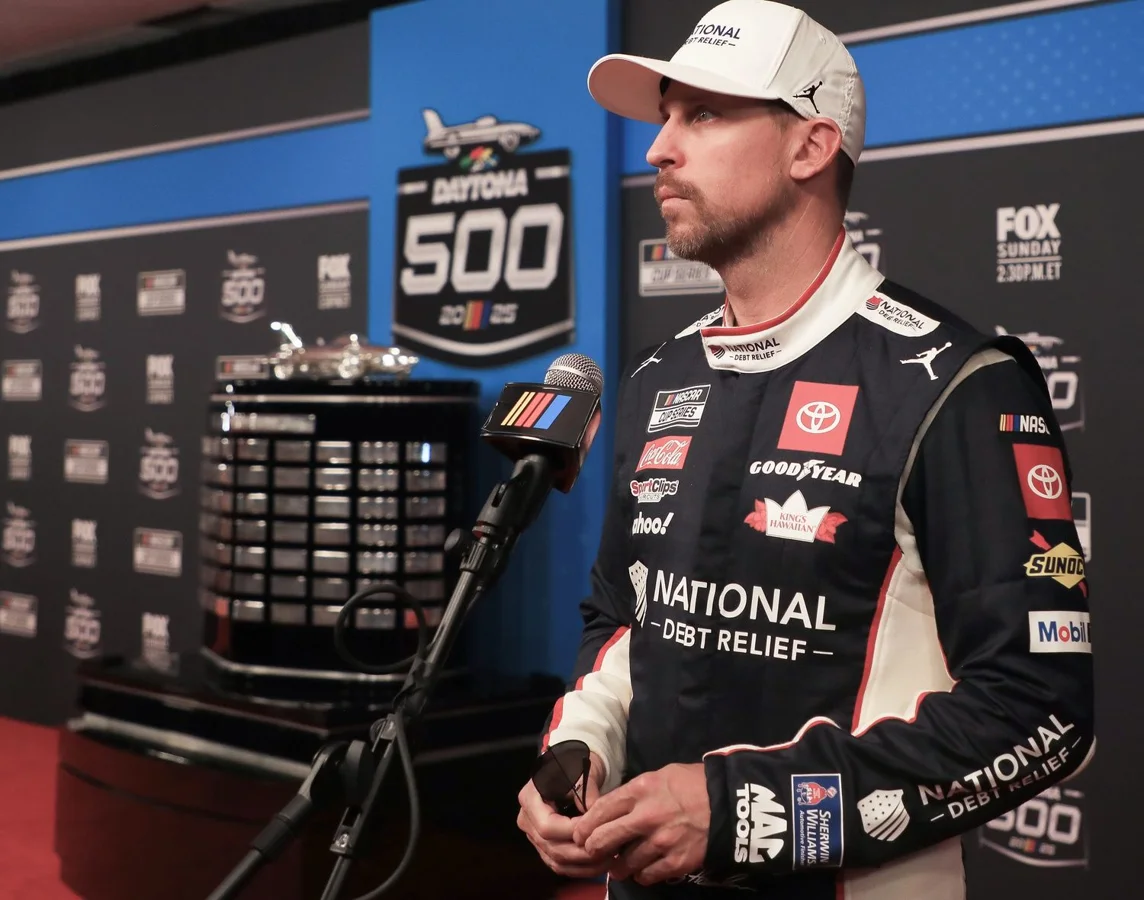
Hamlin Responds to the “Villain” Label
In a recent conversation with The Athletic, Denny Hamlin addressed his image head on, offering his perspective on why he’s frequently cast as the sport’s antagonist.
“I mean, I don’t think I’m an a**hole,”
he explained.—Denny Hamlin, NASCAR driver. Hamlin went on to clarify his position, noting that much of the negative perception comes from those who have never met him in person or only witness brief interactions from a distance.
“It’s more likely people who have never met me, or saw me walking somewhere and I didn’t have time to stop. I always try to when I can. Or maybe the s—talking I do on the track makes them think that’s just who I am.”
—Denny Hamlin, NASCAR driver.
According to Hamlin, a large part of the scrutiny revolves around his competitive bravado and sharp wit, which can be easily magnified when viewed through TV broadcasts and race radio transmissions. Often, these fleeting moments shape opinions, and without direct personal engagement, many fans might form impressions that overlook other facets of his character.
A Different Perspective from Inside NASCAR
Despite the “villain” image he carries among spectators, those working within the NASCAR garage see another side of Denny Hamlin. Away from the camera, Hamlin is often recognized by peers and team members for his professionalism, valuable insights, and moments of generosity. This internal view doesn’t always receive attention outside of the racing circles, but it is a fundamental element of who he is as a competitor and co-worker.
Nevertheless, the presence of a clear cut “bad guy” suits the narrative needs of any dramatic sport, and Denny Hamlin’s complex persona fits the bill. Even while striving to set the record straight, Hamlin occupies a unique space within NASCAR lore—a driver both loved and loathed, forever at the center of fan discussion.

