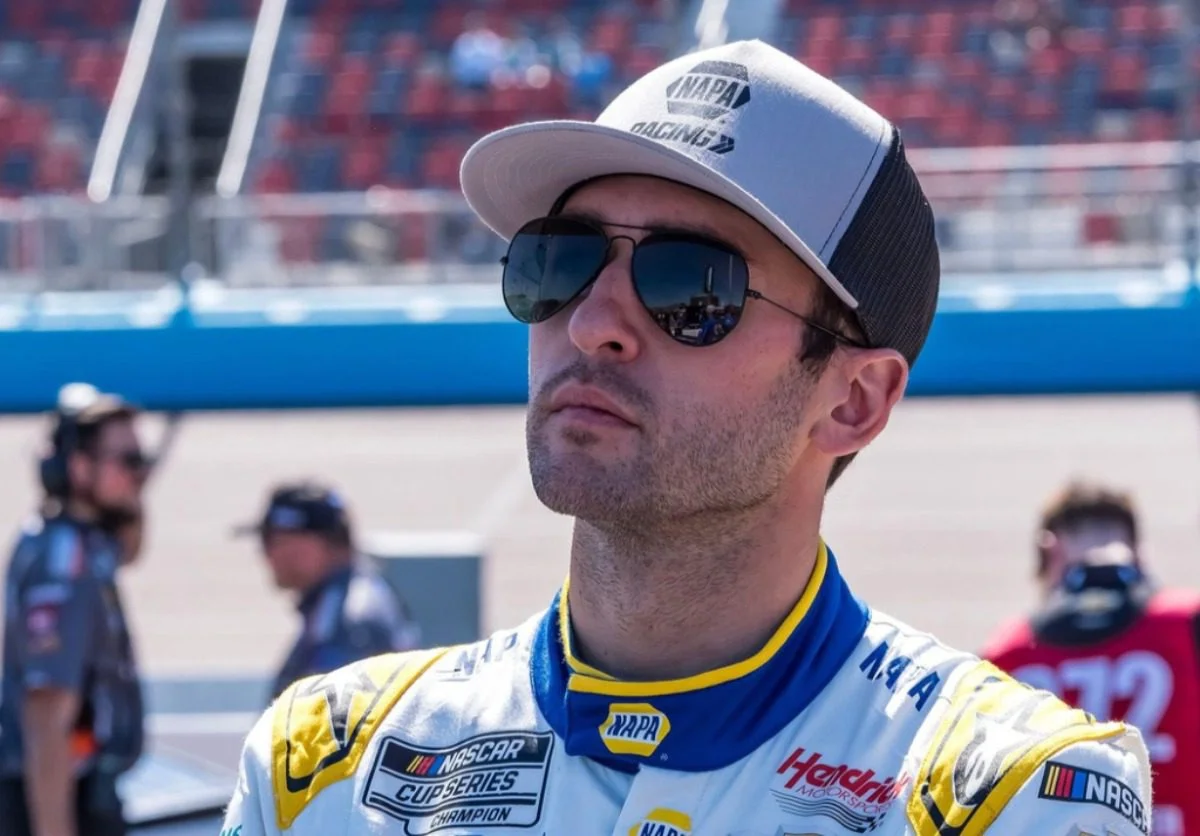
Chase Elliott enters the NASCAR Cup Series playoffs with an unexpectedly confident outlook, setting a different tone compared to his experiences in previous years. As the Southern 500 at Darlington Raceway kicks off the ten-race postseason, Elliott’s mindset regarding the Chase Elliott NASCAR playoffs mindset reflects both a personal evolution and a broader concern for the well-being of those in the sport.
In years past, Elliott often felt tense at the start of the playoffs, worrying about the possibility of falling short in each elimination round. Now, approaching his 30th birthday just weeks after the Cup season finale, the Hendrick Motorsports driver seems to be embracing the challenge with less anxiety and a more measured approach.
Chase Elliott’s Evolving Approach to the Playoffs
Elliott, who celebrated a Cup championship in 2020 and has now made the playoff cut in nine of his ten full-time Cup seasons, is racing at the peak of his career. This season, he is adopting a more relaxed and open attitude as he seeks another title, hoping his newfound mindset can drive positive results on the track.
During media day in Charlotte, Elliott joined Jeff Gluck and Jordan Bianchi on The Teardown podcast, participating in a playful discussion about hypothetical changes to the racing schedule. When confronted with a choice between increased driver pay, more off-weekends, or additional pit road facilities, Elliott highlighted the value of more scheduled breaks for drivers.
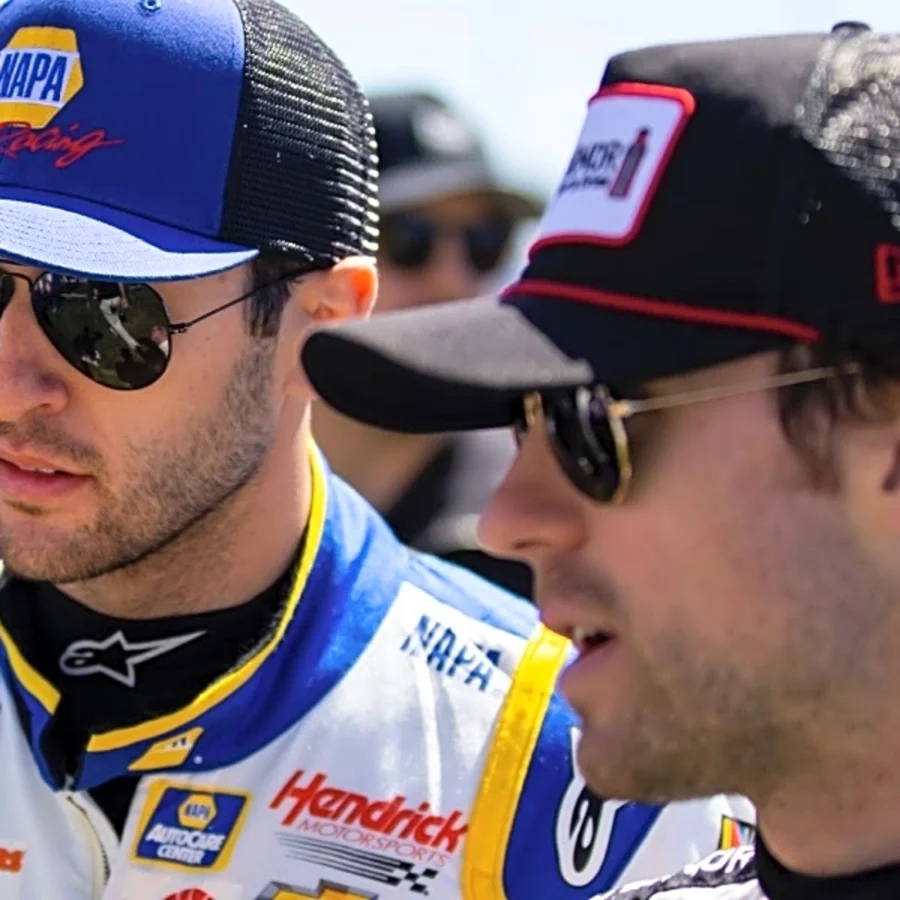
“Increasing the off-weekends for everyone, and I think it would be a win for everyone and make people hungrier for what we have and what we do. So I think it’ll be a healthy thing.”
—Chase Elliott, NASCAR Driver
Addressing Fatigue and the Rigors of the NASCAR Calendar
This year’s NASCAR Cup Series featured just one off-weekend in an intense 36-race schedule, with only a slight improvement planned for next year as an extra weekend off is added. Elliott’s remarks emphasized how even minor changes in the calendar can support driver and team well-being, challenging assumptions that drivers simply want to avoid hard work.
When questioned about burnout among his peers, Elliott recognized that certain positions within a racing team may face more fatigue than others.
“I think it’s natural for that a little bit,”
—Chase Elliott, NASCAR Driver
Elliott explained that the support staff, particularly those responsible for transporting team equipment, face some of the most strenuous travel demands. He cited the recent journey from Mexico City to Pocono, a trek exceeding 2,500 miles, as an example of the sport’s hidden hardships.
“Like the truck drivers and the guys that are on the road constantly. I think that would definitely be a really tough spot. I give those guys a lot of credit, like that whole Mexico City to Pocono (2,528 miles) deal this year was just incredible. I felt terrible for what they had to endure to make those shows go on. And they are the reason the show does go on, and I think that’s always important to remember,”
—Chase Elliott, NASCAR Driver
Dispelling Myths About Drivers Wanting Fewer Races
Some fans have criticized the idea of shortening the schedule, suggesting drivers simply want less work. Elliott, however, pushed back on that stereotype, making clear that his main concern is the non-stop pace of the calendar, not the number of races.
“People sometimes are like, ‘Well, of course you want less races. You don’t want to work as much.’ Not true,”
—Chase Elliott, NASCAR Driver
He went further, stating his willingness to race as much as needed within a condensed timeframe, and argued that longer off-periods could actually lead to more enthusiastic competition.
“I’m fine running 50 races. Great, let’s run 50 races between February and Labor Day. Weeknights, whatever you want to do. I’m totally fine racing as much as you want to race. I just think the calendar year time we burn up is what we could help with in creating some hunger in those off months.”
—Chase Elliott, NASCAR Driver
What Elliott’s Perspective Means for NASCAR’s Future
As Elliott’s viewpoint begins to gain attention, it underlines ongoing debates surrounding the structure of the NASCAR schedule. His comments shed light on the physical and mental toll faced not just by high-profile drivers, but by the truck drivers and support crews who keep the sport moving week after week. By advocating for more flexibility and rest, Elliott is asking NASCAR to consider ways to maintain intense competition while ensuring the long-term health of everyone involved. As the playoffs get underway, Elliott’s attitude may shape both his performance and ignite broader conversations about the future of the Cup Series calendar and its demands.