
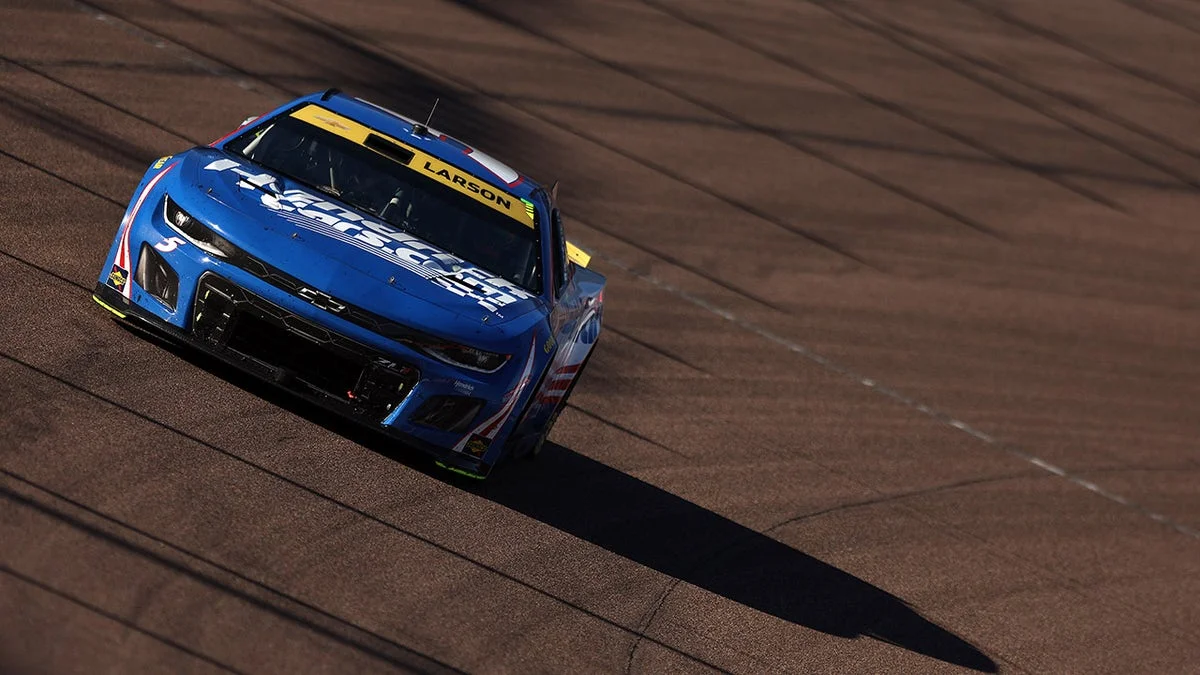
Kyle Larson NASCAR schedule proposal has ignited strong debate after the reigning Cup Series champion suggested a dramatic change to how races are structured across the season. During his recent podcast appearance, Larson outlined a plan to cluster events and speed up the calendar, prompting passionate reactions from both fans and insiders as the NASCAR community considers the future of its long-standing race format.
Larson Shares Frustration with Lengthy Schedule
For years, conversations among drivers such as Kyle Larson, Bubba Wallace, and Martin Truex Jr. have circled around the demanding 36-race Cup Series season, which stretches from February to November. This relentless pace, as many have noted, leads even elite drivers to lose focus and energy. Kyle Larson voiced this sentiment openly, remarking,
“Yeah, it’s definitely a long year… it always is,”
said Kyle Larson, driver, reflecting clear fatigue with the relentless Cup Series schedule. The core issue revolves around the balance between maintaining tradition and adapting to concerns about the physical and mental toll on participants.
Larson’s recent push comes at a time when NASCAR insiders and the wider fan base are discussing whether the current racing schedule is simply too long. The Cup Series schedule currently consumes about 70% of the year, a staggering statistic that has brought the topic to the forefront during discussions about the structure of the competition.
Proposing a “Speed-Weeks” Approach
On a recent episode of the “Rubbin is Racing Podcast,” Kyle Larson introduced the idea of adopting a “speed-weeks” format within NASCAR. Under this approach, select clusters of races—at venues such as Darlington Raceway, Charlotte Motor Speedway, Martinsville Speedway, and Bristol Motor Speedway—would be run in quick succession over a span of two to three weeks. This would mimic the compact, intense rhythm found in grassroots dirt racing series, a format that aligns with Larson’s own experience outside the Cup Series.
According to Larson, the intent is to accelerate the pace of competition, generate heightened momentum, and ensure each stretch of the season feels urgent and energetic. With such concentrated bursts of racing, there would be more space elsewhere in the calendar for rest, travel, marketing, or fan activities. The strategy aims to prevent the exhausted “mid-season slump” many drivers talk about, without reducing the overall number of races.
Other competitors have added their voices to the conversation. Bubba Wallace echoed the need for change, sharing,
“From the social side of things … week one of January … you get one month off. So, I mean, yeah, I think we all are agreeing that it’s too long…,”
said Bubba Wallace, NASCAR driver. Martin Truex Jr. was even more emphatic, saying,
“Oh, I vote for less every day of the week … It would be nice to have a few weekends off throughout the summer,”
said Martin Truex Jr., NASCAR driver. These quotes reinforce that the desire for a more manageable calendar is not unique to Larson.
As NASCAR officials weigh these considerations, the logistics of such a shift become clear. Current venue agreements, established relationships with sponsors, television contracts, and the expectations of 36 full events remain significant factors complicating any proposed changes.
Fans React to Schedule Redesign Ideas
Fans have not held back in responding to Larson’s suggestion, with much of the conversation centering on what defines the soul of NASCAR. Some fans look back fondly on 2020, the year COVID-19 interrupted the schedule and forced NASCAR to try mid-week races and doubleheaders. One fan reminisced,
“I for one enjoyed mid-week races during that COVID season,”
said fan, reflecting nostalgia for a forced but memorable experiment in condensed scheduling.
However, broadcasters and industry experts have observed that mid-week races saw a drop in TV ratings as soon as the sport tried to return to a more regular cadence. Traditional weekend slots still dominate the business side of NASCAR. The pushback from many fans and insiders is not only practical, but also deeply emotional—reflecting both nostalgia and wariness about shaking up established rhythms.
Another fan, referencing Larson’s roots, remarked,
“Dirt racer would like a dirt racing type schedule. This checks out,”
said fan, pointing to Larson’s ongoing passion for sprint cars and intense, back-to-back racing found in dirt-track formats such as Florida’s World of Outlaws or the Chili Bowl in Tulsa. For Larson, the DNA of condensed, high-energy competition feels natural, but it may not suit all teams or the broader NASCAR audience.
Not every fan or insider believes the change would be easy or even an improvement. As one skeptic put it,
“On paper, it’s a decent idea, but the reality is the ratings for those races will be horrible, and it would burn out the teams and drivers even worse,”
said fan, highlighting the concern that increasing intensity could place further strain on crews, drivers, and broadcasters. Notably, experts such as Steve Letarte and Jeff Burton have previously warned that compressing the season or adding more intensity could compromise competitive quality and operational logistics.
Within the discussion, humor and sarcasm surfaced too. One dreamer joked,
“I propose a speed year, 52 races in 40 weeks. That leaves 12 weeks for Speed Week! 24 races in 12 weeks for maximum fun and speed,”
said fan, using exaggeration to highlight extremes in the debate and the ways Larson’s comments have set off imaginative speculation about the sport’s direction.
Critics, meanwhile, were blunt in their disapproval of Larson’s remarks about the schedule.
“Nothing more endorsing of the sport than the champion complaining about the length of the season… dude. Just quit NASCAR. You’ve shown numerous times that you hate it. Just leave,”
said fan, voicing the belief that public criticism from stars undermines the image of relentless passion expected in the NASCAR community. Despite this, Kyle Larson continues to maintain that his commitment to the sport is strong—he’s advocating for smarter, not necessarily shorter, scheduling.
The Tension Between Tradition, Business, and Well-Being
The ongoing debate over how to optimize NASCAR’s schedule touches on several competing priorities. For sponsors, networks, and venues, any major shift comes with complex consequences for contracts and revenue. For drivers and teams, however, the current pace leads to exhaustion and burnout, threatening performance and enjoyment throughout the lengthy campaign.
As demonstrated by strong and divergent fan reactions, the identity of NASCAR is partly defined by its long, grueling season. For some, that challenge is an essential part of the sport’s tradition, while others see value in exploring new ideas to enhance the experience for both competitors and spectators.
The controversy resulting from the Kyle Larson NASCAR schedule proposal shows just how emotionally charged and significant changes to the sport’s structure can be. Whether NASCAR will move to adopt Larson’s suggested cluster format, institute more rest weeks, or leave the schedule unchanged, remains a central, unresolved question for 2025 and beyond.
With public figures like Jeff Burton, Steve Letarte, Bubba Wallace, Martin Truex Jr., and Kyle Larson weighing in—and a passionate fan base not shy about voicing opinions—any future adjustments to the season calendar will be highly scrutinized and deeply debated. The issue of balancing tradition with the well-being of teams and the wider NASCAR community will likely shape ongoing discussions about the series’ future.


