
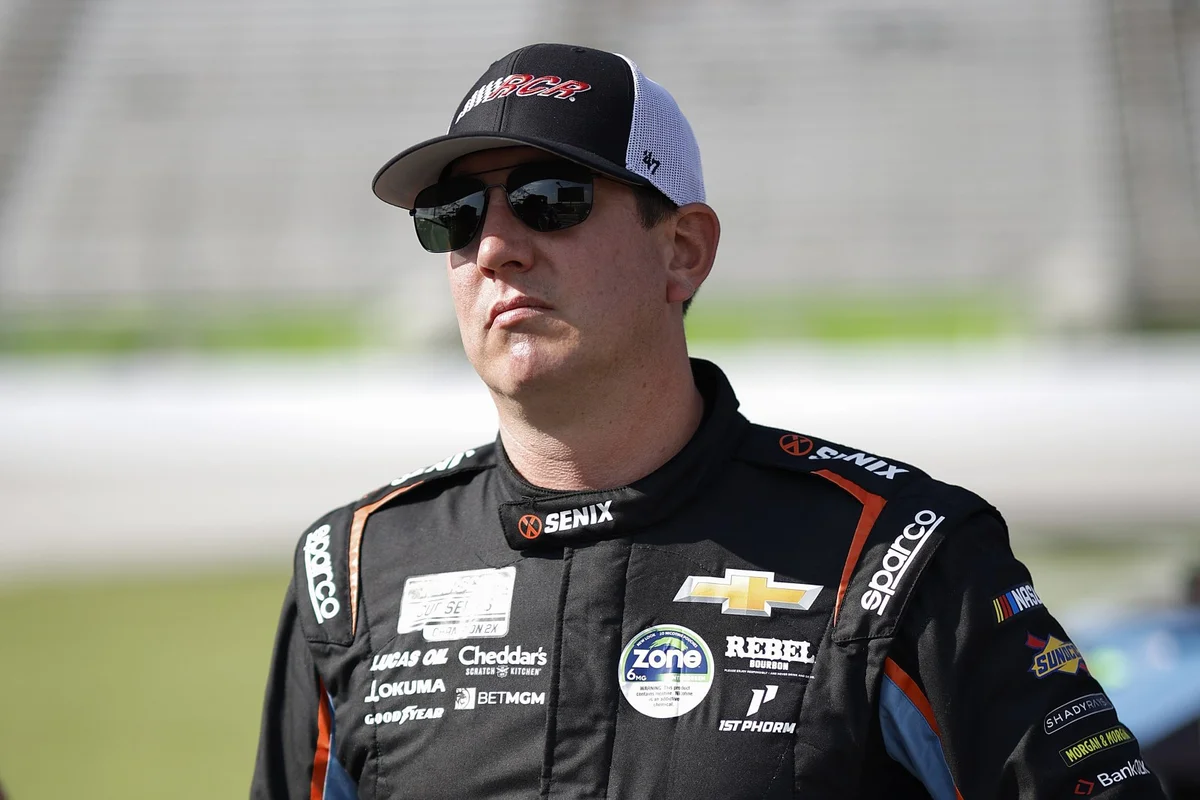
Kyle Busch remains the Kyle Busch highest-paid NASCAR driver in 2025, with his earnings far outpacing many of his rivals despite a season that falls short of his career peak. Backed by a hefty guaranteed contract and extensive sponsorships, Busch’s financial standing highlights the evolving priorities and payouts at the highest level of NASCAR.
Kyle Busch’s 2025 Compensation Breaks Records
In 2025, industry sources widely acknowledge that Kyle Busch commands an estimated annual income of roughly US $16.9 million, encompassing salary, race winnings, bonuses, and major endorsement deals. Even as Busch’s on-track performance has seen ups and downs, his stature in the sport ensures that teams like Richard Childress Racing remain eager to keep him on board at top-tier prices.
Busch’s move from Joe Gibbs Racing to Richard Childress Racing did little to dent his market value. His legacy, steady results, and powerful sponsor relationships mean his pay package continues to dwarf those of most NASCAR competitors, with guaranteed base salary forming the backbone of his lucrative agreement. Industry insiders reiterate that while race wins drive incentive payouts for most drivers, Busch’s financial agreements guarantee elite-level earnings regardless of race outcomes, making him unique in today’s climate.

Comparing Denny Hamlin’s Earnings With Busch’s Payday
Denny Hamlin, another seasoned NASCAR veteran, has been notably transparent about his earnings in 2025. During testimony related to NASCAR’s antitrust proceedings, Hamlin disclosed a base salary of approximately US $14 million annually from his main team, Joe Gibbs Racing. While this places him just behind Busch in terms of direct driving compensation, Hamlin’s situation diverges in crucial ways.
Unlike Busch, Hamlin has expanded his role to co-own 23XI Racing alongside basketball legend Michael Jordan. Through team ownership, charter investments, and endorsements, Hamlin’s financial interests extend well beyond his own driver salary. His diversified revenue streams mean that while Busch takes the crown for guaranteed pay, Hamlin’s total wealth and yearly earnings—including equity and investments—could surpass or rival Busch’s numbers, depending on business performance and long-term growth.
Ultimately, the major distinction is that Busch’s compensation is almost entirely for driving, while Hamlin benefits both as a top driver and a business stakeholder within the NASCAR sphere.
Understanding NASCAR Driver Salaries in 2025
Within the current NASCAR landscape, only a select group of drivers, such as Busch and Hamlin, receive salaries and bonuses reaching multi-million dollar figures. While a Cup race driver might average just $300-400 per race in base earnings, the overall compensation picture changes dramatically at the elite level, where legacy, sponsorship, and long-term contracts come into play.
Below these top ranks, most full-time Cup drivers take home a far smaller share. For many, the lack of sponsorships or prominent team deals results in low millions annually at best, and sometimes significantly less. Their total earnings depend heavily on securing backing, on-track performance, and occasional bonuses, all of which vary with the unpredictable nature of each season.
This gap in driver pay highlights an industry where established names with fan bases and marketing pull are rewarded handsomely, while even talented mid-pack or lower-tier Cup drivers struggle just to maintain their career footing in a demanding and costly sport.
Why Busch Holds the Top Salary Despite Recent Results
Busch’s position as Kyle Busch highest-paid NASCAR driver owes more to the structure of his contracts and market appeal than recent wins. Although he is no longer matching his early-career performance levels, Busch negotiated agreements that prioritize stability—a guaranteed salary, powerful sponsor partnerships, and bonus structures that remain effective even during periods of less success.
The financial strategy underlying Busch’s deals transforms a history of victories and fan recognition into ongoing income, insulating him from the sport’s typical volatility. While many drivers face pay tied closely to immediate outcomes—such as wins or top finishes—Busch’s enduring appeal as both a racing figure and a marketing asset keeps his earnings high in every season, regardless of wins or points finishes.
This modern approach to compensation marks a shift in NASCAR, where brand value, consistency, and long-term appeal matter more than ever for the top stars.
Disparity in NASCAR Driver Earnings Continues
The field of NASCAR remains sharply divided when it comes to earnings. While a handful of top drivers like Busch cash in on history, endorsement strength, and solid contracts, most peers experience a starkly different reality. Newer drivers, those entering with outside financial support, or competitors signed to smaller or less prominent teams, must depend on uncertain sponsor dollars and race-specific contingencies to make ends meet.
Lacking either strong team support or longstanding sponsorships, many full-time Cup drivers earn just enough to stay on track, with some barely breaking even after accounting for costs. In these cases, skill alone is not enough to ensure financial success. Instead, team resources, personal branding, and commercial appeal play massive roles in determining who can secure major, career-sustaining contracts in NASCAR’s upper ranks.
The Evolving Landscape of NASCAR Compensation
Kyle Busch’s status as Kyle Busch highest-paid NASCAR driver in 2025 underscores a dramatic shift in how earnings are distributed among Cup series competitors. While performance remains important, brand impact, legacy, and the ability to attract sponsors have become the true currency of NASCAR’s modern era. For others in the field—those without big-name appeal or deal-making leverage—the sport’s financial challenges persist, keeping the pay gap as wide as ever and fueling ongoing debate over the future of driver compensation.

