
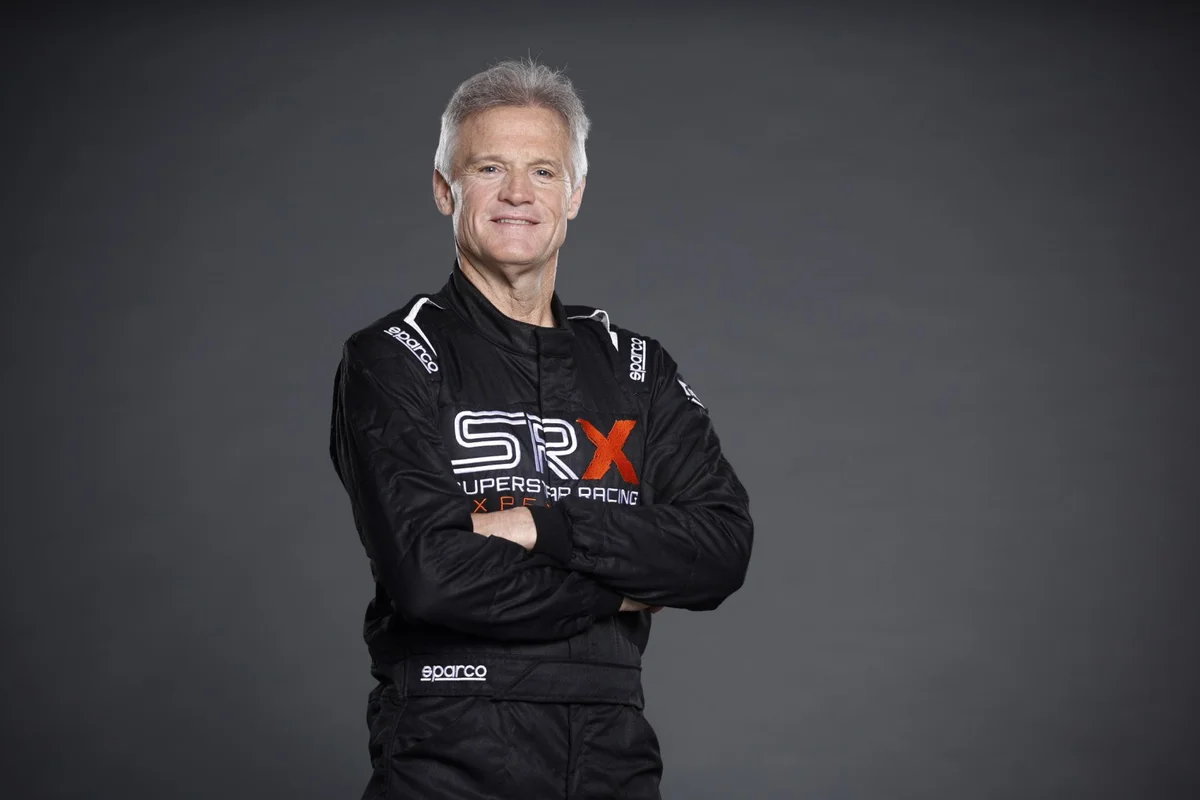
Kenny Wallace, a former NASCAR driver, has publicly criticized NASCAR’s leadership style, claiming that its family-run, top-down approach has created widespread dissatisfaction within the sport. Wallace’s remarks are part of a growing wave of Kenny Wallace NASCAR criticism, as stakeholders question whether change is needed amid mounting legal and business challenges.
Trouble Brewing for NASCAR’s Organizational Structure
For decades, NASCAR has been one of the most influential organizations in motorsports worldwide, but recent years have brought persistent concerns about how the sport is managed. Key figures inside the industry, such as Wallace, argue that business practices have become too authoritarian, sparking unrest from teams and partners. This tension has intensified as NASCAR faces criticism for how it balances the interests of ownership with those of racing teams and sponsors.
Adding to the turmoil, a prominent antitrust lawsuit involving NASCAR, 23XI Racing, and Front Row Motorsports has captured widespread attention, further threatening NASCAR’s public image. Wallace has made it clear that, in his view, the legal battle reflects deeper issues within the organization and casts a negative light on the sport’s leadership.
Wallace Compares NASCAR to Other Racing Leagues
On his YouTube channel, Wallace criticized NASCAR’s continued adherence to a centralized, family-driven management style, contrasting it with other major motorsports leagues. He referenced how Formula 1 is operated by Liberty Media Group and how IndyCar has welcomed external investment from entities like Fox Sports and Roger Penske.
“It has become bigger than a family-run business. Let’s be honest. NASCAR is a family-run business. Look at Formula 1, it’s owned by Liberty Media Group. Look at IndyCar. Roger Penske sold a third to Fox Sports.”
Wallace, former NASCAR driver
He stated,
“I understand NASCAR is not like anything else. I get that. We can’t do a dictatorship anymore. Those days are gone,”
further emphasizing his belief that the sport can no longer be managed with such strict, unilateral authority.
Wallace, former NASCAR driver
The Charter System Dilemma
While Wallace advocates for a more open and cooperative business approach, he also acknowledged that NASCAR’s attempts at flexibility have led to new sets of problems. By introducing the charter system, which gives race teams a larger role in decision-making, NASCAR hoped to move with the times but instead may have exposed itself to increased discord and legal vulnerability.
“That’s what got NASCAR in trouble. It’s almost like they were trying to be nice. ‘Okay, let us give you a charter system. Let us give you something.’”
Wallace, former NASCAR driver
Wallace believes that these concessions, though made in good faith, have shifted the balance of power between management and teams. NASCAR’s attempts to appear more modern and accommodating, rather than sticking to its traditional model, are now central points in ongoing disputes. As a result, NASCAR finds itself at a crossroads, facing pressure from both within and outside the organization.
High Stakes in the Courtroom
The future of NASCAR’s operating structure now hinges partly on the outcome of the high-profile antitrust lawsuit, which is moving into its second week. Plaintiffs continue to lay out their arguments, and many await the verdict to see how it might affect not only the business side of motorsports, but also the competitive landscape and relationships between NASCAR, teams, and its broader network of partners such as Liberty Media Group and Fox Sports.
The result of this dispute could push NASCAR to alter its approach, prompting shifts within the broader world of motorsports organizations. The debate over the sport’s governance, highlighted by intense criticism from figures like Wallace, shows there is a pivotal moment ahead as all parties await the next chapter in this turbulent period for NASCAR.


