
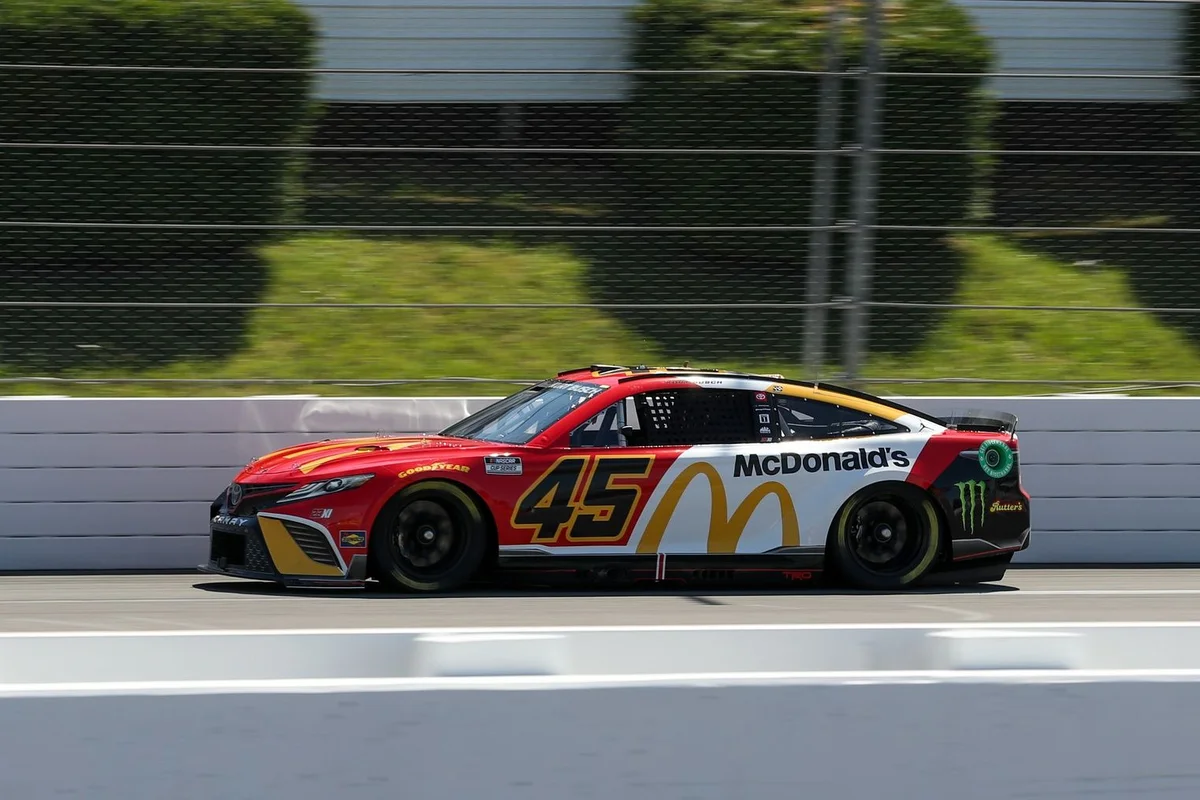
Long-simmering questions about NASCAR safety are erupting in a Charlotte courtroom as testimony regarding the Kurt Busch crash, which ended his full-time driving career, forces the motorsports world to revisit its most painful concerns. As discussions intensify over the Next Gen car’s promise versus its reality, the debate feeds growing NASCAR safety concerns and skepticism toward leadership’s assurances.
NASCAR’s Next Gen Car Promises and Unfulfilled Expectations
NASCAR has spent years defending its efforts to preserve driver welfare, yet heightened scrutiny arrived with the introduction of the Next Gen car. This vehicle, designed to modernize racing and level the playing field, carried high hopes for enhancing both competition and safety. Since its inception, some believed the Next Gen car could resolve longstanding issues in the sport, but its rollout has instead been surrounded by complications and dissatisfaction.
With the Next Gen era, supporters and critics alike watch closely for evidence of improved safety standards. Kurt Busch’s devastating incident at Pocono in 2022, while piloting this very car, underscores public unease. His subsequent struggles with persistent concussion symptoms brought an abrupt and emotional end to his full-time Cup racing journey, amplifying doubts about whether innovation has come at too high a cost.
Courtroom Testimony Reignites Debate Over NASCAR Safety Standards
The focus on safety escalated this week as the courtroom drama drew in top NASCAR figures. Much of the tension stems from an antitrust trial examining the sport’s operations and leadership accountability. The crash involving Kurt Busch stands at the heart of these proceedings, with new testimonials prompting fans and insiders to revisit an unresolved question: has NASCAR truly prioritized its drivers’ protection?
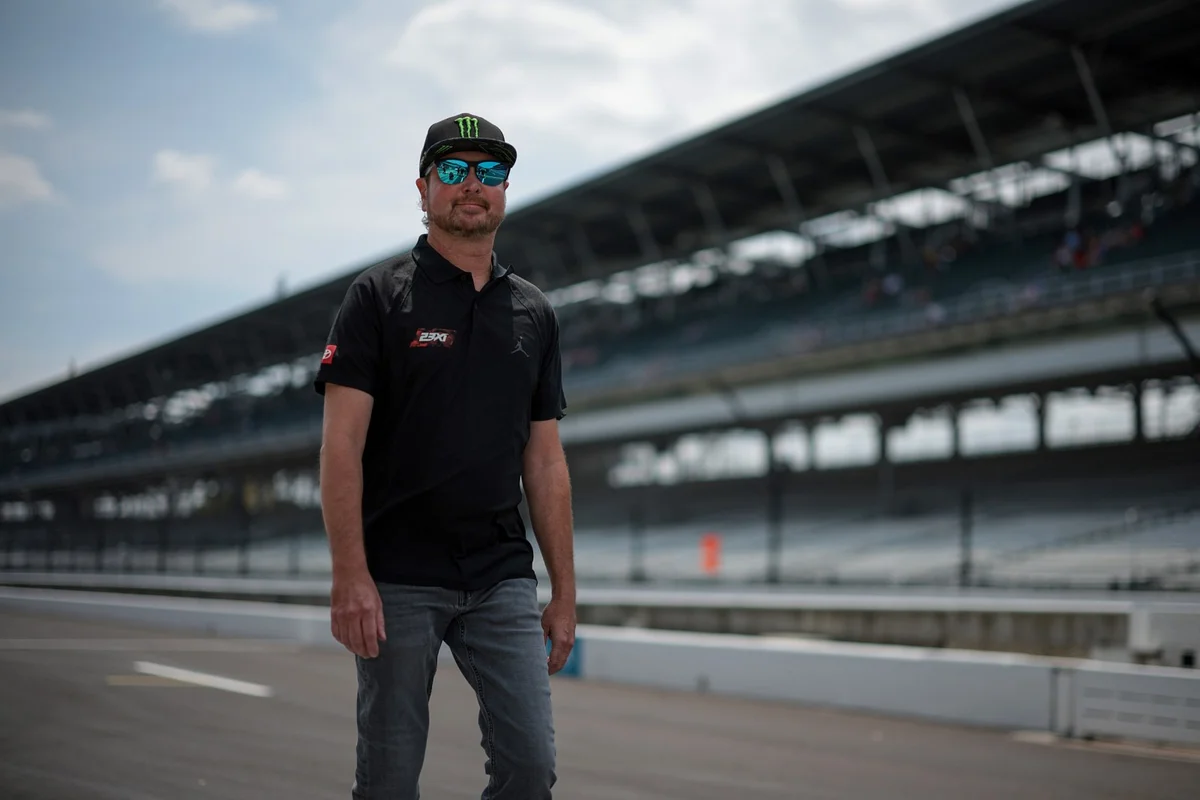
The situation has placed NASCAR leaders, notably President Steve Phelps, under increased scrutiny. Fans and stakeholders await meaningful answers about what is being done to prevent tragedies like Busch’s crash from repeating.
Steve Phelps Asserts the Next Gen Car’s Supremacy in Safety
In the ongoing trial, Steve Phelps took the stand and delivered a strong endorsement of the Next Gen car. He declared,
“I believe this is the safest car in all of motorsports.”
— Adam Stern (@A_S12) December 9, 2025. The confidence in his statement was evident, signaling that he views the Next Gen vehicle as a benchmark for safety standards across all motorsports disciplines.
Phelps’s declaration might offer comfort to some, but others recall that it was behind the wheel of this car that Kurt Busch’s career was cut short. Many in the audience, including fans and team members, met Phelps’s claim with skepticism, citing incidents involving other high-profile drivers such as Denny Hamlin, Alex Bowman, and Ryan Preece who, despite advancements, faced substantial on-track impacts and injury risks under the Next Gen policy. Bowman’s concussion after a Texas race and Preece’s harrowing 2023 crash are recent reminders fueling this conflict.
Kurt Busch’s Crash Becomes a Powerful Symbol
Kurt Busch was much more than a typical competitor; a seasoned veteran and former champion, he raced for 23XI Racing, a team partly owned by Michael Jordan. His crash resonated within the motorsports community, serving as both a devastating personal setback and a cautionary tale regarding new vehicle policies.
The aftermath extends beyond Busch alone. Many NASCAR supporters viewed Steve Phelps’s remarks as dismissive to Busch’s struggle. Michael Jordan’s behind-the-scenes warnings to NASCAR about the sport losing the trust of its participants reflect this sentiment. Jordan, while not specifically naming Busch in public, underscored concerns about power dynamics and the shortfall in team voices. The timing, occurring so soon after Busch’s forced retirement, inflamed the debate over the real effects of rapid innovation in NASCAR’s high-stakes environment.
The Next Gen project initially promised a safer, more egalitarian future. Instead, it now serves as a divisive symbol, suggesting that the drive for modernization may have sidelined the core issue of protecting those behind the wheel.
Charter Negotiations Add to Tensions in NASCAR Leadership
Beyond the safety debate, the current trial has also exposed the stress and discord underlying NASCAR’s internal charter negotiations. Steve Phelps detailed the contentious dialogues, citing Curtis Polk, longtime representative for Michael Jordan, as a steadfast negotiator for the teams. The main demands centered on increased revenue, permanent charters, and stronger influence over rules and decision-making.
NASCAR’s leadership countered with less money and no permanent concessions, issuing a deadline that left little room for compromise. According to Phelps, the talks were some of the most challenging of his career. In the end, most teams agreed to the deal—worth $431 million, far short of the $720 million teams had sought—but a small group held out, arguing that NASCAR’s approach reflected monopolistic tendencies prioritizing control over safety and team input.
Impact of the Courtroom Drama on NASCAR’s Future
All of these developments are deeply connected. From Kurt Busch’s forced retirement following his high-profile crash, to Michael Jordan’s warnings about the trajectory of the sport, and Phelps’s reflection on arduous charter talks, a common thread emerges: NASCAR’s leaders must now reckon with complex questions about their commitment to safety and fair governance.
Though Kurt Busch himself is not present in court, his story has become a touchstone. Every time the courtroom wrestles with issues of safety, team power, or the future direction of NASCAR, Busch’s name surfaces—embodying the real human stakes at the heart of technical and business debates. The verdict of this moment will not only shape how NASCAR addresses present concerns, but will also influence the trust and wellbeing of competitors and fans for seasons to come.
Steve Phelps on the Next Gen car: "I believe this is the safest car in all of motorsports."
— Adam Stern (@A_S12) December 9, 2025

