
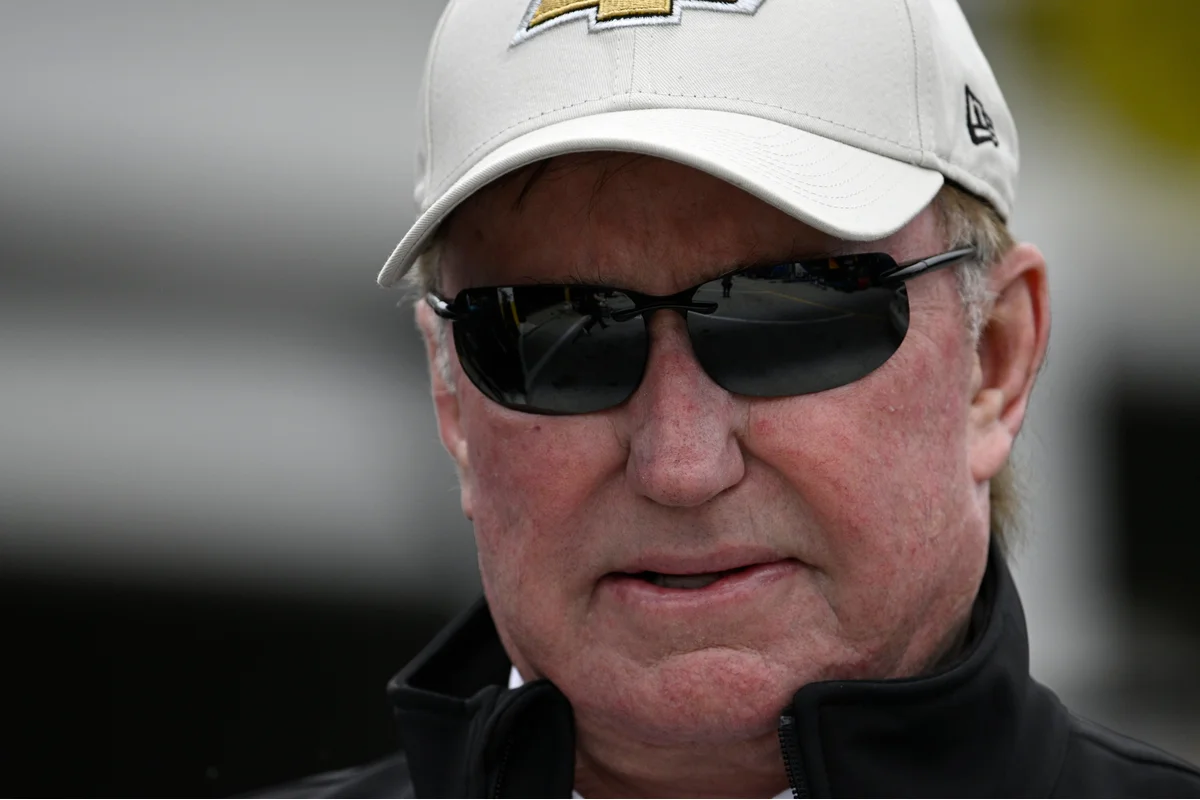
Richard Childress’s NASCAR testimony in Charlotte’s antitrust trial highlighted the intense financial strain threatening his racing team’s future, as the 2025 Charter Agreement presented his only option for survival. Citing the charter system and the looming midnight deadline, Childress detailed how Richard Childress Racing faced the prospect of shutting down without compliance, drawing attention to the ongoing challenges for team owners under NASCAR’s business model.
Childress Explains the Stakes of the Charter Decision
On the seventh day of the trial, Richard Childress revealed that signing the 2025 Charter Agreement was not a matter of choice, but necessity. Childress, who has led Richard Childress Racing for decades, explained the financial pressures his team endured while coming to this difficult decision. During his testimony, Childress made clear the risks his organization faced if he had declined NASCAR’s terms, specifically citing that the charter system is essential to participate in races and access core revenue streams, which are vital to the stability of teams in the sport.
Childress’s comments provided insight into how the current NASCAR model leaves little room for independent operation or negotiation by teams. His warnings were echoed throughout the trial, as he underlined the survival dilemma presented by the charter model and stated,
“Financially, I can’t lose my charters.”
– Richard Childress, Team Owner. The structure of the agreement, he elaborated, does not support a long-term vision for teams like his own. He stated,
“I would like for it (Richard Childress Racing) to be running 60 years from now, but with this current business model, we can’t do it.”
– Richard Childress, Team Owner.
Describing the process, Childress said he was given an ultimatum by NASCAR, with a hard deadline mandated for the signature or risk losing everything his team had built. He noted,
“They told us we had until midnight or you lose ’em.”
– Richard Childress, Team Owner. Refusing to sign, he reiterated, was not a real option:
“We are a blue-collar operation and proud of it. If we didn’t sign the Charter agreement in 2024, we would have lost them.”
– Richard Childress, Team Owner.
Throughout the proceedings, Childress also explained his repeated appeals to NASCAR leadership—in particular, his requests that charters become permanent to secure the future of his team. Detailing a conversation with NASCAR’s Jim France concerning long-term revenue, he recalled France responded,
“We don’t know where the sport is going to be in seven years.”
– Jim France, NASCAR Chairman.
NASCAR Leaders Defend Charter Model and Deadline
NASCAR Chairman Jim France and Commissioner Steve Phelps addressed the court on the same day, discussing the reasoning behind the charter structure and the strict terms surrounding its renewal. France directly acknowledged that NASCAR intentionally kept charters non-permanent, stating,
“We did not do evergreen or permanent charters, no.”
– Jim France, NASCAR Chairman. He reasoned that setting a firm deadline for teams was necessary to maintain organizational stability, asserting,
“I knew we needed to get them signed.”
– Jim France, NASCAR Chairman.
Steve Phelps took the stand to clarify NASCAR’s position on the negotiations. When asked whether NASCAR used its leverage unfairly in compelling teams, Phelps countered that this was “absolutely not” the case, explaining that he did not recall conversations where permanent charters were offered to teams:
“I don’t deny doing it, but I don’t remember.”
– Steve Phelps, Commissioner. Both France and Phelps defended the system as crucial to sustaining the sport’s operational framework, while team owners, including Childress, continued to express frustration over their ability to influence value and cost controls.
Ongoing Financial Stress for Racing Teams
Richard Childress expanded on the broader financial challenges faced by racing organizations, highlighting the daily struggles to keep teams afloat even with the charter agreement in place. He admitted that revenue from outside businesses often has to be used to support Richard Childress Racing, reflecting the inadequacies of the current structure. Addressing the severity of the problem, he stressed that without these additional funds, his team would not survive through racing alone.
Childress summarized the present reality for many teams under the current system, stating,
“It’s keeping us alive is all it’s doing right now.”
– Richard Childress, Team Owner. This perspective underscores the precarious situation facing NASCAR teams who depend on charter agreements, while simultaneously navigating rising operational costs and increasing revenue uncertainties.
What the Testimony Means for NASCAR’s Future
The courtroom testimony has cast a stark light on the divide between NASCAR leadership and its team owners, with both sides presenting deeply held positions regarding the charter system’s effect on organizational stability and competitive balance. As closing arguments approach, the decision in this trial could significantly shape how NASCAR manages revenue distribution, team participation, and long-term sustainability for all stakeholders within the sport. The focus remains on whether NASCAR’s practices constitute unfair limitations or reflect fair corporate governance, with the outcome likely to influence the future landscape of American auto racing.

