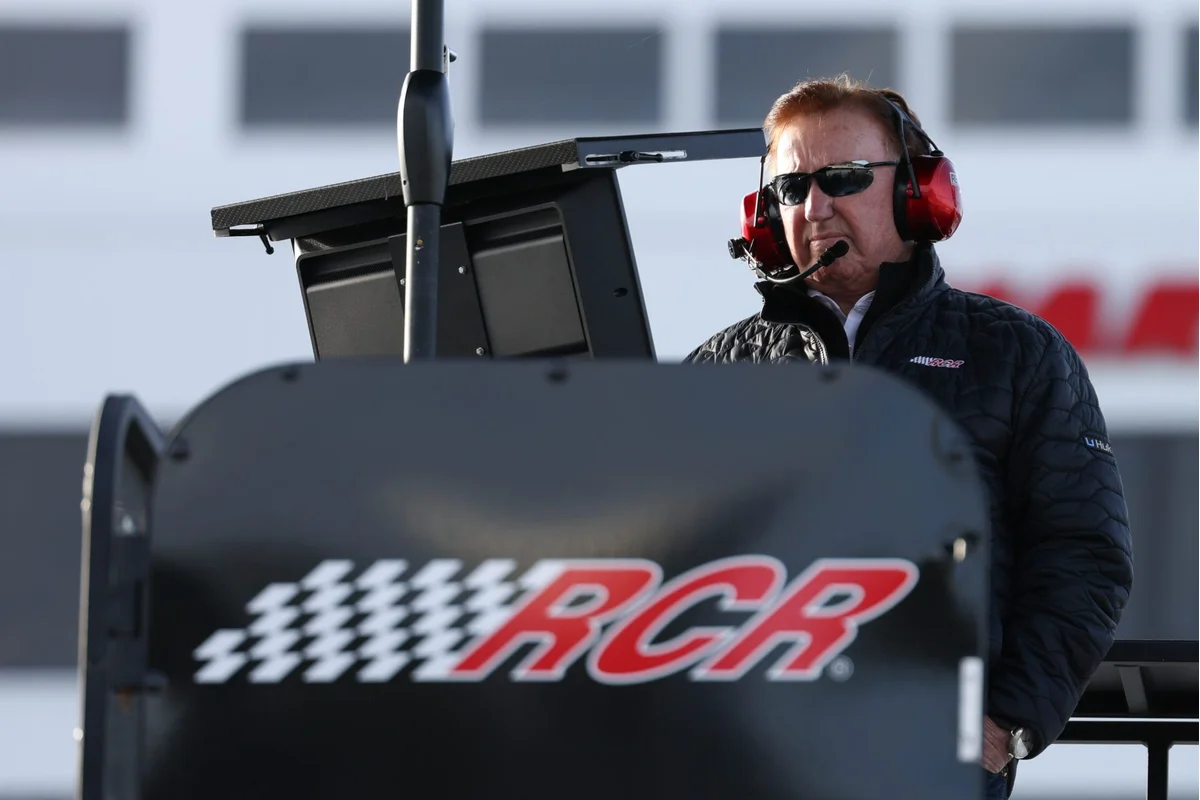
During a pivotal moment in the ongoing courtroom proceedings, NASCAR commissioner Steve Phelps publicly addressed his regret over a derogatory text about Richard Childress in the highly watched Richard Childress NASCAR trial testimony on Tuesday. The admission, which surfaced despite the message itself not being shown in court, came as key questions were posed about respect and communications among NASCAR leadership.
Phelps Addresses Past Messages About Childress Under Oath
The issue of Phelps’s past messages emerged when Jeffrey Kessler, who represents 23XI Racing and Front Row Motorsports, referenced the previously reported harsh language directed at team owner Richard Childress. Although the actual content of the “stupid redneck” comment was not displayed to the jury, Kessler pressed Phelps to clarify his history of correspondence with team owners. Phelps acknowledged making a serious misstep, indicating this episode was an exception to his general standard of professionalism.
“Steve Phelps was asked by Jeffrey Kessler if had always shown respect in his texts/emails about team owners such as Richard Childress; Phelps said that ‘by and large, the answer is yes,’ but he had sent one text about Childress that he is ‘not proud of’ and had apologized for.”
— Adam Stern, Sports Business Journal
This particular exchange underscored the emotional tone of the proceedings, with Phelps stating that, aside from the message in question, he typically maintained respect in his written communications. He directly admitted, under oath, that he apologized for the comment involving Childress.
Scrutiny on NASCAR’s Track Agreements and Phelps’s Role
The trial has also delved into other confidential aspects of NASCAR’s operations, especially as Kessler and other attorneys challenge the exclusivity of agreements with racetrack operators. Their line of questioning seeks to demonstrate patterns of conduct by NASCAR, which some allege enable the organization to preserve dominance within the sport. When asked, Phelps appeared to have limited knowledge about the specifics of these agreements.
Other financial details emerged during Phelps’s testimony. The commissioner detailed his annual compensation of $2.5 million, with the possibility of matching that figure through performance bonuses. He defended the organization’s financial structure, claiming that the France family — NASCAR’s principal owners — paid substantial taxes on payouts totaling nearly $400 million between 2021 and 2024, as the figure was cited by the teams’ expert witness days earlier.
Next Gen Car’s Mixed Reception Receives Testimony Spotlight
During the trial, Phelps was also questioned on the controversial Next Gen vehicle, which has drawn both praise and criticism from the NASCAR community. While responding to inquiries about its performance and public response, Phelps promoted the car’s effect on racing quality and overall safety.
“The racing is just better, so it has accomplished what I hoped it would accomplish.”
— Steve Phelps, Commissioner
This strong endorsement contrasts with divided public opinion, as many fans remain skeptical about specific aspects like lead changes and race strategies, particularly on short tracks and superspeedways. The ongoing debate highlights the complexity of defining “better” racing in the context of evolving technology and competition formats.
Phelps furthermore offered a confident stance on the safety innovations implemented in the Next Gen design.
“I believe this is the safest car in all of motorsports.”
— Steve Phelps, Commissioner
This bold statement is likely to face scrutiny, especially among followers concerned by recent incidents involving prominent drivers like Kurt Busch, further fueling conversation around the real-world impact of these changes.
Implications for NASCAR’s Leadership and Future Proceedings
The testimony of Steve Phelps, marked by both contrition and self-assurance, has intensified attention on the culture at NASCAR’s highest levels and the relationship between leadership and team stakeholders. The Richard Childress NASCAR trial testimony is expected to influence perceptions not only of Phelps personally but also of the governance and transparency of the sport. As legal arguments continue and additional witnesses take the stand, the proceedings may set important precedents for communications and policy within the NASCAR community and beyond.
Steve Phelps was asked by Jeffrey Kessler if had always shown respect in his texts/emails about team owners such as Richard Childress; Phelps said that "by and large, the answer is yes," but he had sent one text about Childress that he is "not proud of" and had apologized for.
— Adam Stern (@A_S12) December 9, 2025
Steve Phelps says that he believes the Next Gen car has been successful for @NASCAR so far because: "The racing is just better, so it has accomplished what I hoped it would accomplish."
— Adam Stern (@A_S12) December 9, 2025