

The ongoing legal showdown between NASCAR and 23XI Racing/FRM has revealed surprising details, including NASCAR’s approach to Tony Stewart‘s SRX series, leaving even influential figures like Dale Earnhardt Jr. astounded. The Tony Stewart SRX NASCAR conflict emerged as a focal point during Earnhardt’s recent podcast, where he voiced his reaction to NASCAR’s strategy and its wide-ranging implications for the motorsport community.
Earnhardt Jr. and His Sister Reflect on NASCAR’s Legal Drama
During a recent episode of the Dale Jr. Download podcast, NASCAR Hall of Famer Dale Earnhardt Jr. and his sister Kelley Earnhardt, known for her role in their business operations, discussed the ongoing courtroom battle. Both siblings chose to remain impartial in the matter yet highlighted the emotional toll the conflict had taken on stakeholders in the sport.
They shared feelings of disappointment and sadness as the legal proceedings unveiled more details about the friction between NASCAR and other entities. The Earnhardts addressed NASCAR’s ownership of racetracks, acknowledging the extensive effort and resources necessary for their upkeep and development. However, they expressed concerns about the expectation that teams financially support the Driver Ambassador Program. Earnhardt Jr. believed the responsibility for funding initiatives benefiting drivers should rest with NASCAR, not the teams.
Reaction to NASCAR’s Response Toward SRX Series
The podcast turned to Tony Stewart’s Superstar Racing Experience (SRX), bringing to light NASCAR’s actions regarding the emerging series. Dale Earnhardt Jr. admitted his shock at the reaction to SRX—a series co-founded by Ray Evernham, intending to revitalize the excitement of IROC by creating an inclusive platform for retired champions and standout personalities from different branches of motorsport.
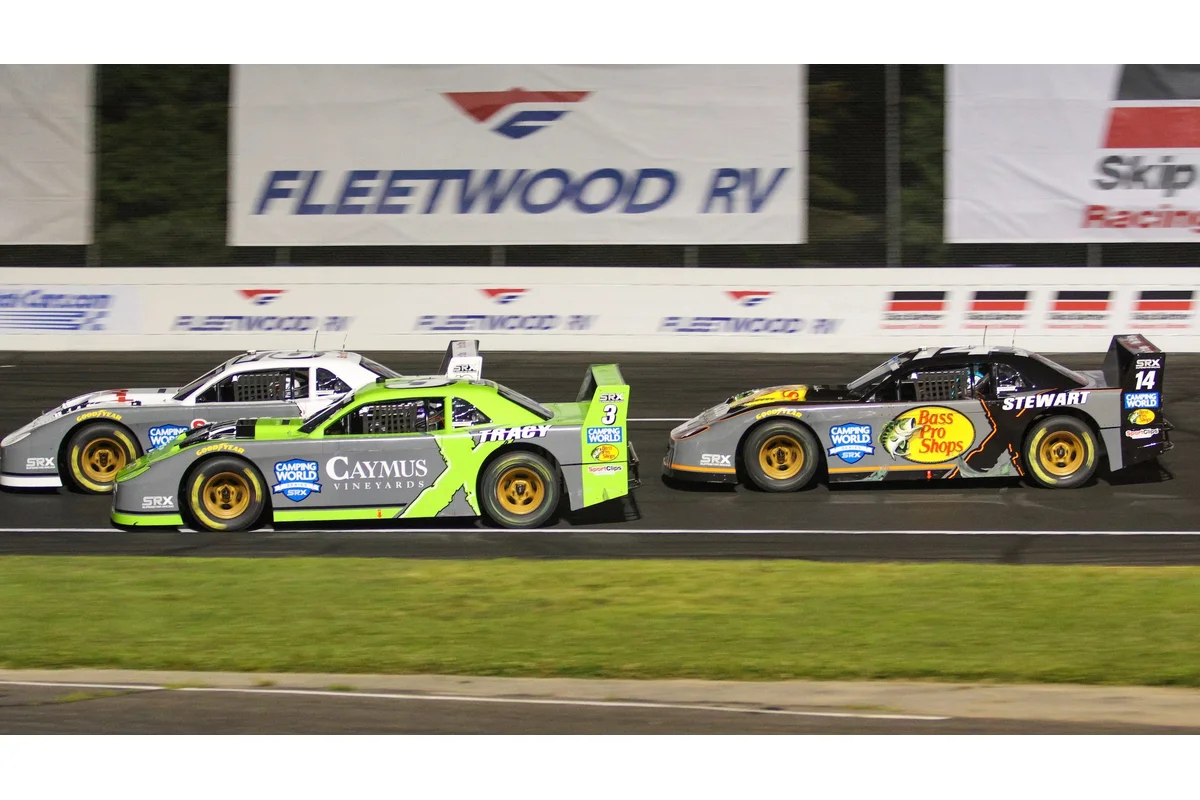
“The initial idea of SRX as a series was that it would go into these local markets, bring out retired guys, unique personalities from different forms of racing, and offer good cars to local heroes.”
Ray Evernham, SRX Series Co-founder
Even without personal plans to race in the SRX, Earnhardt Jr. supported the concept. What startled him was how SRX, a moderate-scale operation limited to a dozen cars and facing financial hurdles, was seen as a potential threat by an organization as established as NASCAR. He remarked on the circumstances, pointing to the immense difference in scale between NASCAR and the new series.
“To hear that NASCAR was even remotely the least bit threatened is so surprising to me cause they’re this giant and SRX is just this little thing.”
Dale Earnhardt Jr., NASCAR Hall of Famer
According to Earnhardt Jr., it seemed unlikely that SRX could ever rival NASCAR’s dominance, as it operated on a much smaller scale and would have required significant time and growth to reach comparable status. He questioned why such a powerful organization would be concerned about a new entrant in a related yet distinct segment of motorsport. While the SRX ultimately struggled due to financial limits and waning television ratings, the perception that NASCAR felt compelled to act against the initiative shocked both Earnhardt Jr. and the broader racing community.
Ongoing Impact and What Lies Ahead
The revelations surrounding the Tony Stewart SRX NASCAR conflict fuel ongoing debate within motorsports about competition, innovation, and cooperation between established bodies and new ventures. The responses from figures like Dale Earnhardt Jr. highlight lingering questions about NASCAR’s approach to rival initiatives, the future support of racing startups, and the potential consequences for the health of the sport. As legal proceedings and industry reactions unfold, attention will remain fixed on the outcome and its ramifications for NASCAR, SRX, and motorsport overall.


