Dale Earnhardt Jr. has voiced serious concerns about the ongoing antitrust lawsuit that 23XI Racing and Front Row Motorsports have brought against NASCAR, suggesting that the legal battle could have unintended and damaging consequences for NASCAR teams. As the dispute unfolds in Charlotte, Earnhardt questions whether compelling NASCAR to sell its racetracks is in the sport’s best interest, bringing the Dale Earnhardt Jr NASCAR lawsuit debate to the center of industry discussions.
Concerns over Track Ownership and Team Motives
The antitrust case, now moving through its eighth day in court at the Western District of North Carolina courthouse, centers on the allegations that NASCAR and Speedway Motorsports, steered by figures like Marcus Smith, control most of the Cup Series’ racetracks. This dominance is a key issue 23XI Racing and Front Row Motorsports have highlighted, as control over tracks limits where teams can operate and potentially sells their services. Dale Earnhardt Jr. has made it clear that he hopes the endgame for the teams is not to force NASCAR into divesting its racetrack holdings.
“There’s been a point made about NASCAR owning the racetracks. I don’t know that 23XI wants NASCAR to sell their tracks. I’m hoping that’s not really what they’re asking,”
Earnhardt said on his Dale Jr. Download show, emphasizing his skepticism about the teams’ true intentions — Dale Earnhardt Jr., NASCAR Veteran and Broadcaster. He suspects the teams are leveraging the track ownership issue to strengthen their case against NASCAR, which previously demanded exclusivity from partners like Marcus Smith to prevent rival series from using venues before NASCAR events.
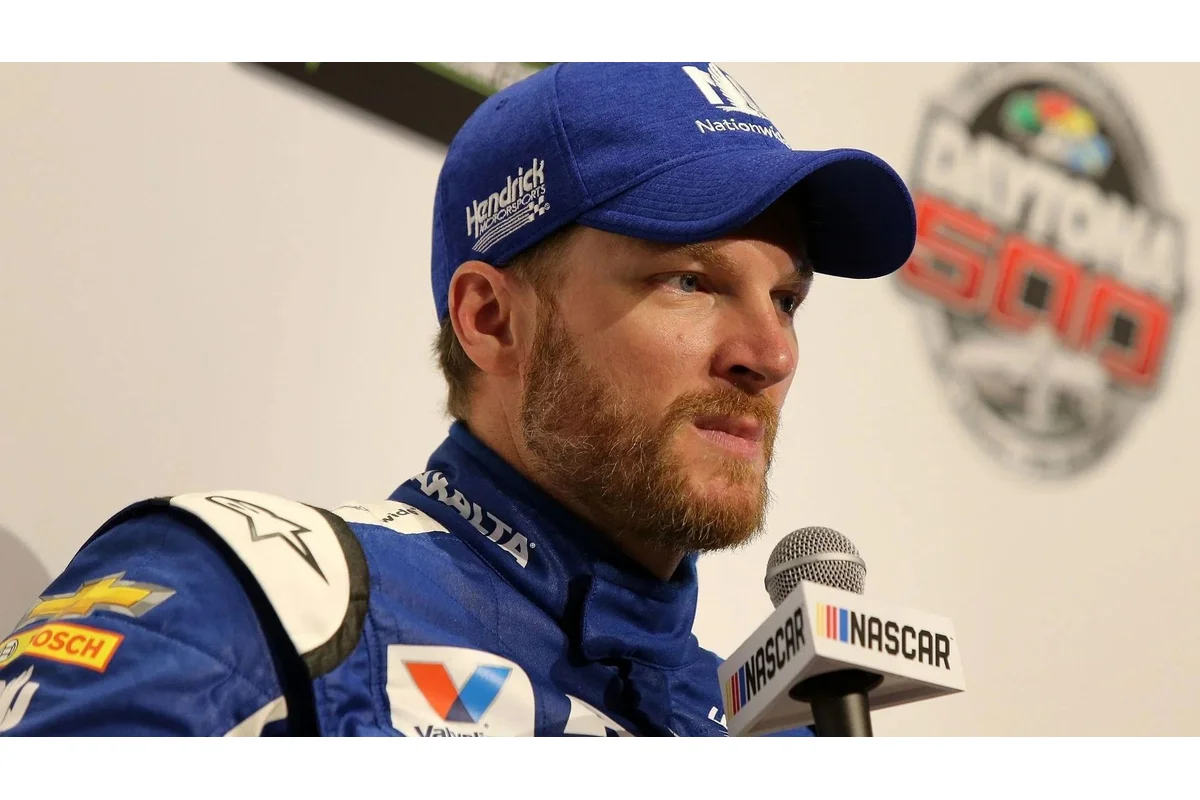
“That’s not unusual in any other sports and arenas and so forth. But I think there’s been something made about NASCAR owning the racetracks and the way they’ve restricted use of those facilities is helping the argument of 23XI.”
— Dale Earnhardt Jr., NASCAR Veteran and Broadcaster. This exclusivity, while common across sports, is presented in court as part of NASCAR’s alleged effort to block competitors and restrict teams’ choices.
Expert Testimony Highlights Antitrust Concerns
Monday’s session featured testimony from economist Edward Snyder, who declared that NASCAR’s practices may breach antitrust laws since
“
teams don’t have anywhere else to sell their services,
”
— Edward Snyder, Economist. Snyder detailed how the organization’s ownership of tracks, teams, and cars, as well as its exclusive agreements made after introducing the charter system in 2016, have consolidated control. The Associated Press reported that Snyder believes these strategies serve to suppress the emergence of competing series and maintain NASCAR’s dominance over high-profile racing events.
Economic Realities of Racetrack Ownership
Earnhardt warns that a demand for NASCAR to sell racetracks could undermine the entire foundation of the sport. He points out that operating a racetrack is not profitable in today’s climate, and there are no investors eager to take over these venues if NASCAR lets them go.
“
It’s kind of got to be a be careful what you wish for kind of thing because No. 1, no one’s building racetracks. Building a racetrack today is not a financial success. Running a racetrack today is not a lucrative operation,
”
Earnhardt cautioned — Dale Earnhardt Jr., NASCAR Veteran and Broadcaster. This perspective highlights the precarious state of racetrack ownership in the current economy, suggesting that the sale of tracks could leave the sport in jeopardy.
He deepened his warning, speculating that if NASCAR and Speedway Motorsports stopped owning the tracks, there might be no suitable buyers willing to continue hosting races.
“
If NASCAR and Marcus don’t own these racetracks, who does? They’re gonna turn into development, they’re gonna be turned into Amazon centers — they won’t be racetracks. What will happen is in 10 years, we’ll be racing on a bunch of street courses and road courses, no sh*t. So, everybody kind of be careful around that because as unique as it is, we need NASCAR to own the tracks they own because it’s really a lost or dying sort of business model.
”
— Dale Earnhardt Jr., NASCAR Veteran and Broadcaster. He believes that many facilities could be sold off for commercial purposes, leaving NASCAR and its teams without the venues that have defined the sport for decades.
What’s Next in the NASCAR Antitrust Trial?
The high-stakes dispute continues to capture attention across the racing community and beyond. With trial proceedings set to resume for a ninth day Thursday morning in Charlotte, the outcomes could shape the structure and future of NASCAR for years. The debate surrounding the Dale Earnhardt Jr NASCAR lawsuit focus keyword is more than a legal fight — it speaks to the preservation of tradition versus pressures to modernize and open the competitive field. Earnhardt’s warnings underscore how the suit’s resolution could steer not only business models but also the very survival of the racetrack experience in American motor sports.