

The long-standing legal battle between 23XI Racing, Front Row Motorsports, and NASCAR reached its conclusion on Thursday, as the parties settled a high-stakes federal antitrust case that put the sport’s very future in jeopardy. While financial arrangements remain confidential, the outcome of the 23XI Racing NASCAR lawsuit settlement marks a seismic shift in the balance of power and financial stability across the series.
Major Legal Bills Dominate Outcome
The most immediate winners in the wake of this antitrust showdown are the attorneys for both sides. 23XI Racing and Front Row Motorsports enlisted the expertise of renowned sports law advocate Jeffrey Kessler, a champion for athletes and unions in contentious battles. NASCAR responded with Chris Yates, a prominent figure recognized as Kessler’s courtroom adversary. With high-powered legal teams squaring off, mounting billable hours resulted in collective legal expenditures reportedly exceeding $100 million throughout pre-trial preparation and a nine-day trial. This enormous sum reflects the staggering cost of waging such a public fight for control and fairness within NASCAR.
Challenges for NASCAR’s Leadership
During the trial, testimony revealed division among NASCAR executives regarding the structure of charter agreements—a cornerstone issue for team owners and the France family alike. CEO Jim France, following in his father’s footsteps, resisted internal and external pressures to shift toward permanent charters for teams, which advisors believed could quell prolonged disputes. France’s refusal ultimately propelled NASCAR toward this costly trial, causing rifts with team owners, drivers, and fans. The fallout has left a lasting mark on the France family’s relationship with the sport and added fuel to critics who argue that entrenched leadership decisions dragged NASCAR through unnecessary turmoil.
Denny Hamlin’s Influence Elevates 23XI Racing
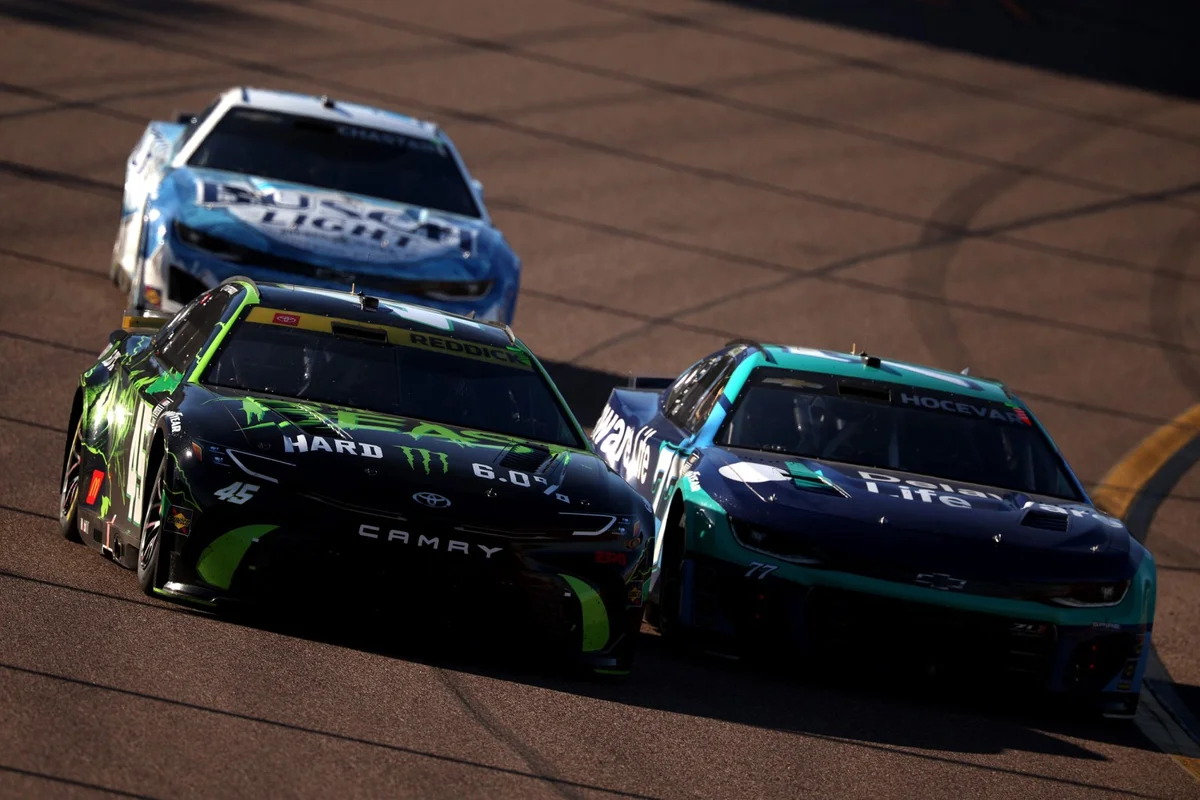
Denny Hamlin, co-owner of 23XI Racing and a consistent competitor on the circuit, played a pivotal role in leading his team to triumph during the legal battle. Much like his dominance on the track at the NASCAR Championship Race in Phoenix, Hamlin directed his organization’s legal strategy to secure a decisive victory—this time without the unpredictable setbacks of competition. As a result of the victory, 23XI Racing now holds three evergreen charters, opening the door to greater financial security, expanded investor interest, and a wider range of competitive possibilities moving forward. Although there is no traditional trophy to display, Hamlin’s successful challenge and structural reform are poised to become an integral part of his legacy and potential Hall of Fame recognition.
The Road Gets Tougher for Riley Herbst
Amid celebration elsewhere at 23XI Racing, driver Riley Herbst finds himself on tenuous ground. Herbst’s performance during his tenure with the No. 35 car included five retirements from races and a mere two laps led out of 36 starts—a record that placed him near the bottom of the standings. Previously, Herbst’s financial contributions may have been crucial to the team, but in a post-settlement landscape that favors 23XI, sponsorship dollars have become less critical. With rumors swirling that Corey Heim is primed to take over the seat by 2027, Herbst’s future with the organization is now more uncertain than ever.
Michael Jordan’s Expanding Sporting Legacy
The transformative changes to NASCAR’s charter system and team structure may not have materialized without the involvement of Michael Jordan. While powerhouses like Hendrick Motorsports and Team Penske voiced their preferences for permanent charters, none aggressively pursued systemic change. Jordan, leveraging his extensive experience in professional sports management and substantial financial resources, refused to accept an arrangement that would hinder teams in the long run. By challenging the status quo and standing up to the France family, Jordan not only drove reform but also cemented his impact on motorsports—a legacy that will transcend his ownership of 23XI Racing and influence the sport for years to come.
Steve Phelps Faces Leadership Crisis
Amid the repercussions from the lawsuit, commissioner Steve Phelps is emerging as a likely scapegoat for NASCAR’s challenges. One damaging revelation was a text message in which Phelps referred to Richard Childress in derogatory terms, stating that he
needs to get taken out back and flogged. He’s a stupid redneck who owes his entire fortune to NASCAR
—Steve Phelps, NASCAR Commissioner. The resulting backlash weakened ties with Childress and heightened scrutiny of Phelps, whose compensation rose to $2.5 million annually despite minimal changes in his role after moving from president to commissioner. As the organization seeks accountability, Phelps appears increasingly vulnerable as the person most likely to pay the price for the fallout.
NASCAR’s Path Forward After Settlement
The antitrust case highlighted NASCAR’s monopoly status and the extreme measures it took to preserve power for the France family. Throughout the trial, Judge Kenneth D. Bell indicated that a jury verdict against NASCAR could have triggered sweeping changes—including over $1 billion in damages, the dissolution of the charter system, or forced sales of treasured tracks. Had such assets changed hands, cherished venues might have been repurposed, dealing an irreversible blow to the fabric of the sport and its fan base.
Instead, the 23XI Racing NASCAR lawsuit settlement preserved NASCAR’s monopoly but altered the competitive landscape. Teams move closer to parity with the organization, gaining a greater say in governance and aligning their interests more closely with NASCAR’s long-term vision. The influx of new investors and the strengthening of partnerships are expected to generate substantial investments and pave the way for improved racing experiences. With leaders like Denny Hamlin and Michael Jordan shaping policy and public perception, NASCAR finds itself entering a new era, marked by greater unity between teams and organizers and increased optimism for the sport’s sustainable growth.

