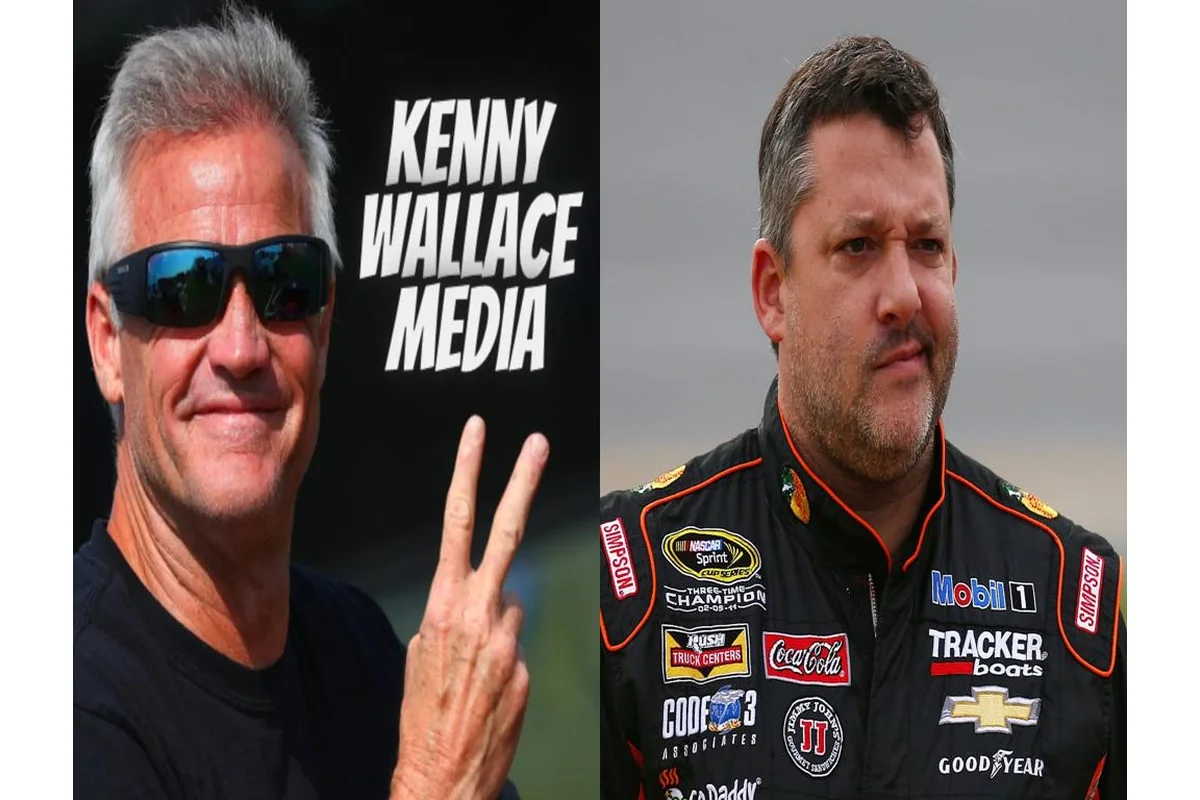
In a pointed reaction to NASCAR’s recent charter lawsuit settlement, Kenny Wallace has offered intense insights into Tony Stewart’s NASCAR exit reasons, linking them directly to mounting frustrations with the sport’s current direction. Wallace, a former driver deeply invested in the recent drama, claimed that widespread dissatisfaction among team owners—culminating in Stewart’s departure—signals significant underlying problems within NASCAR’s structure and its approach to team viability.
Settlement in NASCAR Charter Lawsuit Sparks Industry-Wide Reaction
The protracted legal dispute over NASCAR’s charter system has ended after nearly two weeks, as NASCAR, 23XI Racing, and Front Row Motorsports reached a resolution outside of court. The outcome has brought palpable relief to the wider racing community, which closely followed the legal proceedings and their potential to reshape the business landscape of the sport. Kenny Wallace, who closely tracked the situation, expressed both relief and lingering concern about NASCAR’s direction.
Central to Wallace’s discussion was the exit of Hall of Fame driver Tony Stewart from NASCAR the previous season. Stewart sold his share in Stewart-Haas Racing (SHR) and gave up three valuable charters, leaving the once-dominant SHR as a single-car operation under the Haas factory banner with Cole Custer as the team’s driver. Wallace indicates this strategic retreat was not just Stewart’s decision but a response to industry pressures felt by many team owners.

“Every single NASCAR car owner does not like where NASCAR is headed. And we knew this is why Tony Stewart left the sport. We all know that. But there’s been a lot of teams that have gotten out of the sport because they can’t afford it.”
Kenny Wallace said via his YouTube channel.
Wallace contends that Tony Stewart, like several other owners before him, chose to leave because the sport’s economic realities and shifting policies, particularly regarding revenue sharing and competition regulations, had become unsustainable. The cumulative impact of these changes caused not only Stewart’s exit but the departure or downsizing of other iconic teams.
Frustration Among Team Owners and the Decline of Iconic Teams
NASCAR’s struggle with team retention stems from what many consider a flawed business model. Over recent years, staple organizations—including Stewart-Haas Racing—have either left or scaled back, threatening the diversity and competitiveness of the field. Wallace highlighted that changes to charter policies after the lawsuit settlement, specifically the adoption of perpetual charters, mark a step toward stability. However, whether this reform will fully resolve the deep-rooted concerns remains to be seen.
The drama surrounding NASCAR’s leadership and business practices took a spotlight during the trial. Wallace pointed to the weak testimony from NASCAR CEO Jim France and Commissioner Steve Phelps as pivotal moments in the legal proceedings, suggesting that their inability to provide clear answers on foundational issues pressured NASCAR into settling.
“Come on, guys. Let’s do bullshit this a little bit. When Jim France and Steve Phelps said, ‘I don’t know. I don’t remember.’ That means they don’t want to talk about it. That was not good.”
Kenny Wallace said.
Wallace did not hold back in criticizing the sport’s leadership, and he implied that vague answers from top brass contributed to a sense of distrust or dissatisfaction among both owners and fans.
Kenny Wallace’s Recommendations for NASCAR’s Path Forward
After the legal wrangling concluded, Wallace advised that NASCAR should prioritize humility and actively seek to improve the racing experience for fans. He stressed that reforms should not end with the charter settlement but must continue through tangible changes to competition formats and fan engagement strategies.
“The lawsuit is over. What does NASCAR need to do to make you happy? I think all they need to do is show humility and move forward.”
Kenny Wallace added.
Wallace called on NASCAR to listen to veteran voices and make substantial organizational changes, starting by reconsidering its playoff system and possibly its leadership. He suggested that the sport could benefit from fresh perspectives, particularly mentioning Ben Kennedy as a potential future leader with new ideas to revitalize NASCAR’s business and competitive climate.
The Significance of Tony Stewart’s Exit and the Road Ahead for NASCAR
The departure of Tony Stewart from NASCAR, as described by Kenny Wallace, reflects broader systemic issues that the sport must address to retain both teams and fans. The recent lawsuit settlement, with its shift toward perpetual charters, represents progress but will require sustained effort and leadership changes to truly transform the sport’s fortunes.
With icons like Stewart stepping away due to frustration with NASCAR’s model, the pressure is on the sanctioning body to enact meaningful reforms that will keep teams viable and fans invested. The upcoming seasons will reveal whether NASCAR can harness this moment of turbulence to create lasting, positive change, or whether the underlying issues will continue to push influential figures out of the sport.