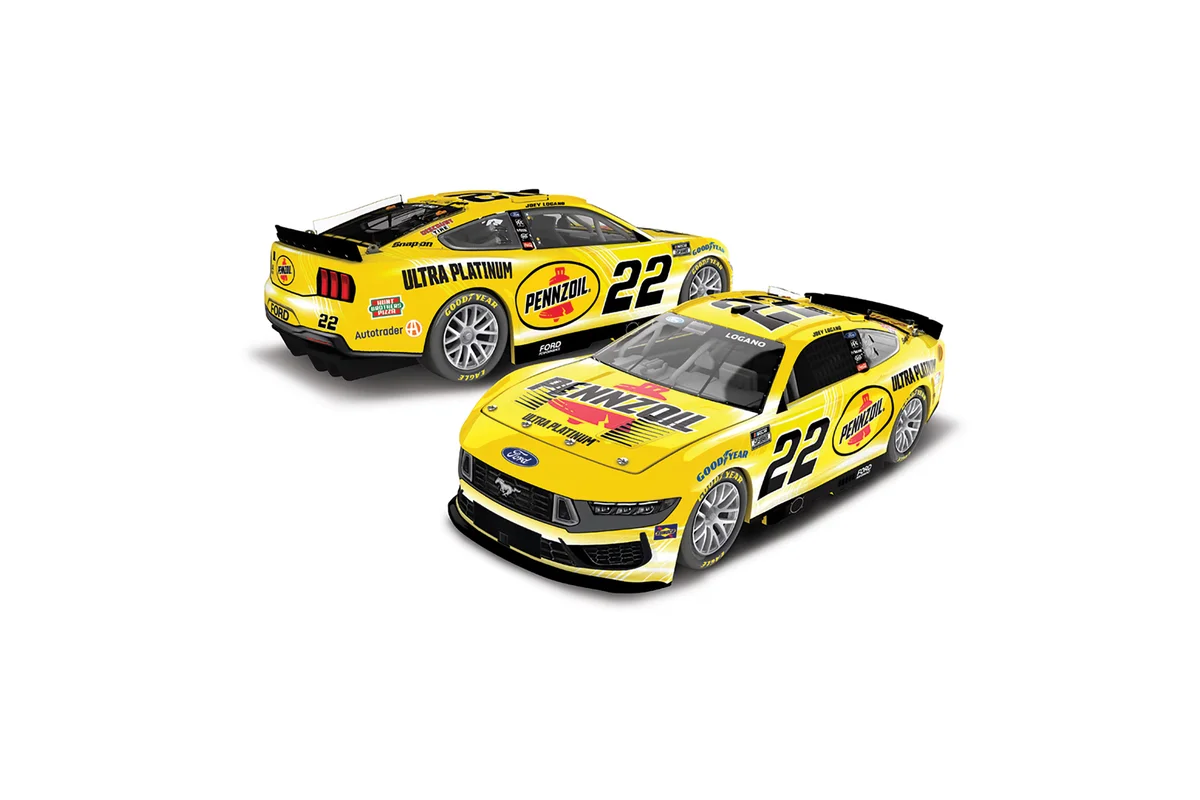
Joey Logano, a three-time NASCAR Cup Series champion, recently shared his growing discomfort about the culture surrounding youth racing today, stressing that children should be allowed to enjoy the sport without pressure from parents. Discussing the issue publicly, Logano pointed out that parents who push their kids too hard may turn racing from an enjoyable pastime into an obligation, which goes against the true spirit of youth motorsports and contradicts his own positive experiences with his father during his childhood.
Contrasting Approaches: Discipline Versus Freedom in Youth Racing
In his reflections, Logano contrasted his own philosophy on youth racing with that of fellow NASCAR driver Kevin Harvick, whose approach with his son Keelan centers around discipline and structure. Harvick reportedly incorporates strict routines, such as early-morning runs before school and careful, technical instruction on racecraft. While Logano voiced respect for Harvick’s intent and dedication, he clarified that his own values prioritize exploration, enjoyment, and room for kids to grow at their own pace.
The Case for Organic Motivation and Self-Discovery
Logano has expressed a strong belief that a competitive spirit must develop naturally within each child, not be something imposed by external forces. He has warned that excessive influence from parents can actually diminish children’s internal motivation and erode the excitement that should characterize youth sports, emphasizing that competition for kids ought to center on fun and self-discovery.

He explained,
“I always had fun doing it. Like to my point earlier, like when I get home, I drive stuff because I love it. Not everybody loves it so much or maybe they don’t handle the pressure the same and find enjoyment in some of that.”
– Joey Logano, Champion NASCAR Driver
Logano also stated,
“Like maybe their competitiveness isn’t like crazy level that I am, but I hate to see parents trying to push their kids because to get better and do all these quick things and then they take the joy of competing as a kid away.”
– Joey Logano, Champion NASCAR Driver
Rejecting Pressure in Favor of Fun and Learning
Emphasizing the true purpose of youth motorsports, Logano has repeatedly advocated for a playful, pressure-free environment, underlying that children should not be treated as prospects under constant scrutiny or held to unrealistic expectations. He further broke down this argument, saying,
“It’s supposed to be like fun because like no one is watching, like there’s no scouts. There’s no NASCAR scouts out watching a 10year-old race. Nobody cares. I’m just being honest. So go have fun.”
– Joey Logano, Champion NASCAR Driver
This approach, he believes, frees young racers to focus on developing basic skills, gaining familiarity with their vehicles, and nurturing their curiosity about racecar mechanics. For Logano, these formative lessons offer more lasting value than chasing trophies or racking up wins at a young age.
Long-Term View: Talent Pipelines and Growth Opportunities
Joey Logano has highlighted that imposing significant pressure on children ignores how major organizations—such as Team Penske and other NASCAR teams—actually approach talent development. According to Logano, scouts and top teams rarely monitor very young drivers; evaluations do not begin until individuals move into higher levels of competition with advanced equipment and greater skill requirements. As a result, collecting wins or attention at age ten carries little weight in the big picture of a potential racing career.
Instead, Logano encourages young drivers to learn through risk-taking, mistakes, and experimentation without fear of failure. He argues that experiencing setbacks and challenges in youth racing, when stakes are low, better prepares children for adult competition and helps them mature as both racers and individuals.
Personal Experience and Pathways Into Professional Racing
Drawing on his own journey, Logano acknowledged that following this philosophy still enabled him and some others to reach the NASCAR stage by their late teens. However, he stressed that advancing to higher-level racing in one’s early twenties—rather than rushing through childhood—does not lessen an individual’s long-term prospects. For Joey Logano, the formative years should be dedicated to growth, personal development, and most importantly, enjoyment, with an emphasis on the love of racing rather than meeting external expectations.