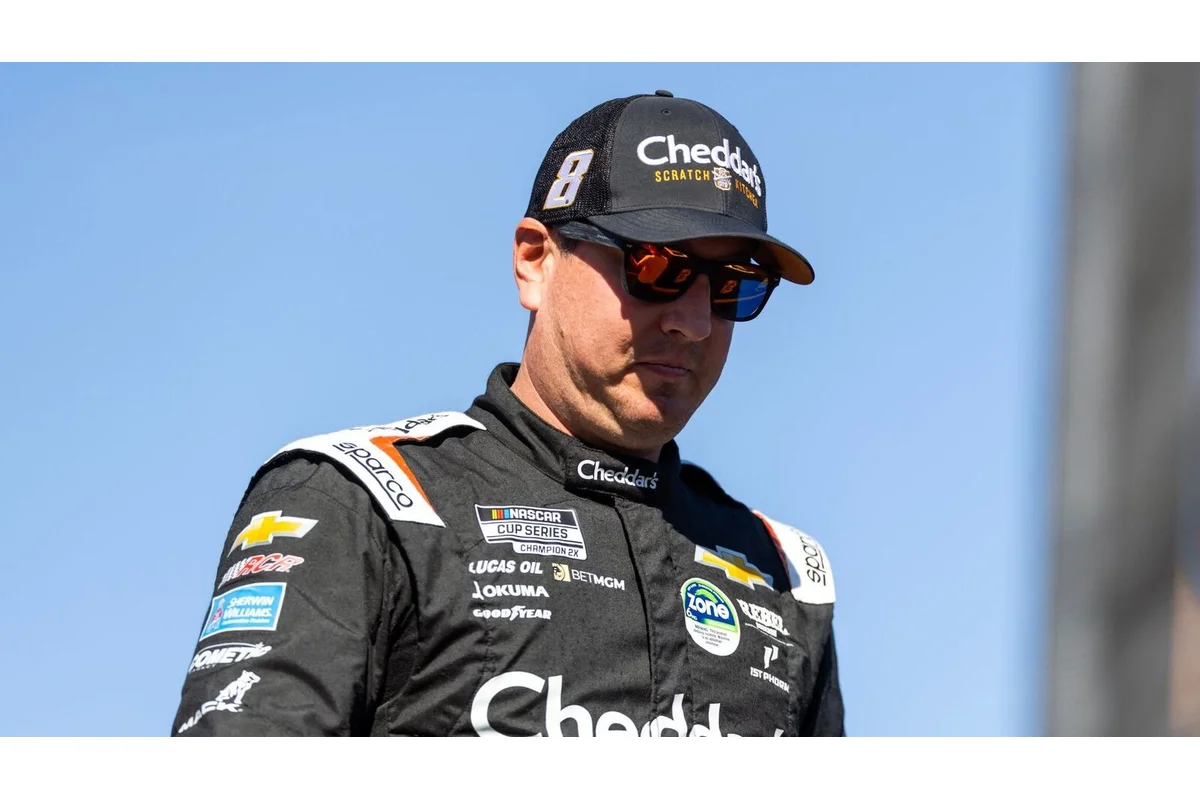
Kyle Busch has candidly addressed the hardships he has faced since NASCAR introduced the Next Gen car, highlighting the major impact of limited practice on his performance. The two-time Cup Series champion’s critique of the current format sheds light on ongoing frustrations felt by drivers navigating the new mechanical and aerodynamic challenges.
NASCAR’s Next Gen Era and Key Changes
The Next Gen package, launched in 2022, brought significant alterations to stock car racing in the Cup Series. Designed to improve mechanical grip and aerodynamic efficiency, the new car’s features include a higher ride height, a flat underbody, a refined splitter, and the introduction of rear diffusers. While these modifications aimed at modernizing racing dynamics, they also made it harder for cars to follow closely due to turbulent air—an issue that particularly affected short track events. Kyle Busch, recognized as an active driver with a record number of short-track wins, managed to take victory at the 2022 Food City Dirt Race at Bristol Motor Speedway. However, that win came after an incident took out the other leaders on the last lap, highlighting the unpredictability of outcomes in the Next Gen era.
Performance Since the Next Gen Overhaul
Following his win at Bristol, Busch has triumphed three times, but has not claimed a victory over the past two seasons. When evaluating which drivers have adapted best to the new package, Busch highlighted William Byron and Ryan Blaney as standout beneficiaries. On the opposite end, he openly identified himself as the most negatively affected by the transition, attributing this to the lack of practice sessions that began during the COVID-19 pandemic and continued through the Next Gen era.
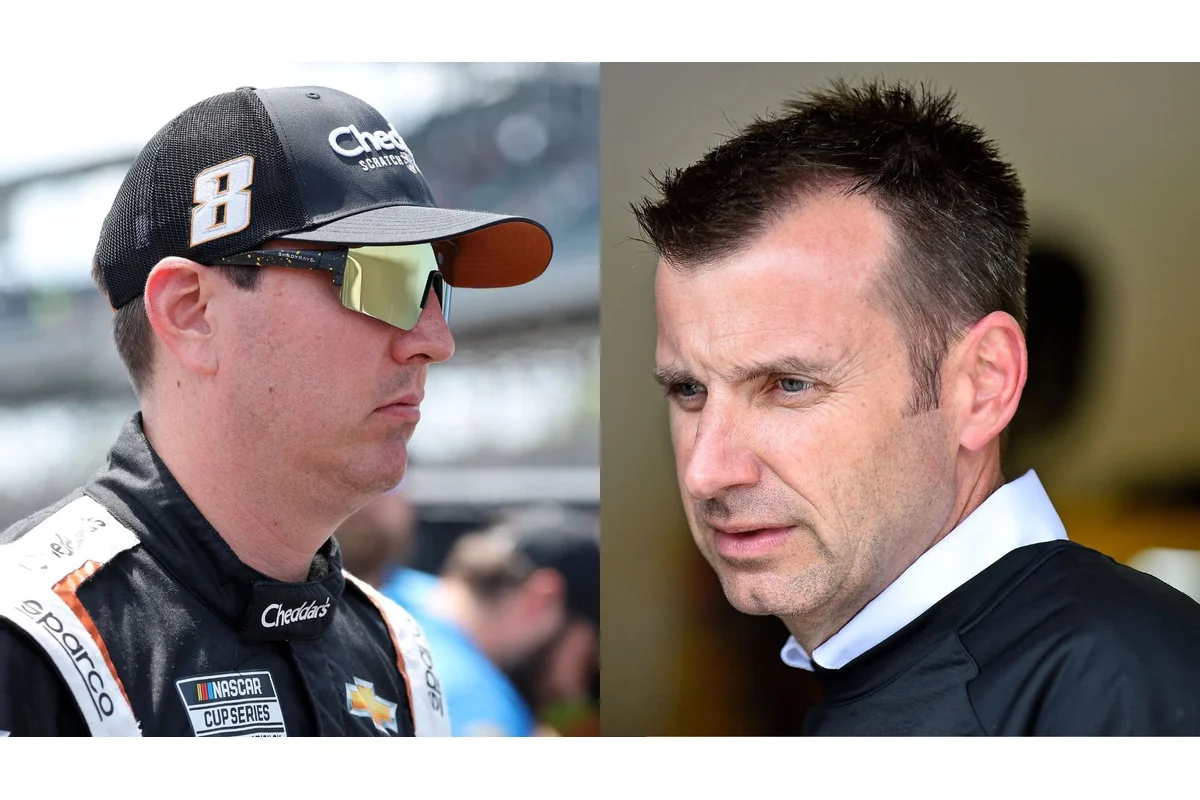
“The ones you would say arguably have hurt the most have been me. I would say practice is probably a key to that. If you look back to my last year with Adam [Stevens, at Joe Gibbs Racing], we didn’t have practice; it was COVID time. So, we had zero practice, lined up and raced, and we only won one race in the era. It was coming from the shop and being (good) right out of the gate. It’s the same thing as today, as we were fighting then: we weren’t good until the final stage of the race,” he said via Racer.com.
Looking ahead, Busch will team up with new crew chief Jim Pohlman, who previously achieved success as Justin Allgaier’s championship-winning crew chief in the Xfinity Series. This change marks another attempt to regain his earlier dominance and adapt to the evolving technical landscape of NASCAR.
Driver Insights Into the Crash-Prone Dynamics
In July, Busch further discussed the specific pitfalls of the Next Gen package, identifying the increased crash rates seen across the garage. Busch explained the learning curve for drivers trying to maximize performance amid these new technical hurdles.
“It’s the nature of this car…..When we all started driving this thing, we were like, ‘Yeah, this is cool.’ Because, you know, you’re going to see more wrecks. You’re going to see guys pushing it to the limit and stepping over the limit and crashing more,” he said via Frontstretch.
Despite an era marked by increased incidents, Busch’s crash record improved during the latest season. He recorded just two DNFs (Did Not Finish) in 2025, compared to six in both 2022 and 2023. Busch also demonstrated his versatility with two fifth-place finishes at Circuit of The Americas and the Chicago Street Course, and he wrapped up the season with another top-five at Phoenix Raceway.
What the Next Gen Struggles Mean for Kyle Busch and NASCAR
Kyle Busch’s public scrutiny of the Next Gen changes, coupled with his performance trends, highlights the adaptability challenge that veteran drivers face as NASCAR evolves. His move to join forces with Jim Pohlman signals a new chapter, as Busch seeks to leverage fresh strategies and experience to counteract the limitations imposed by reduced practice opportunities. As the sport continues to innovate, the ongoing adjustments by drivers like Busch will shape the competitive landscape for seasons to come, especially for those determined to overcome the difficulties that come with sweeping technical reforms.