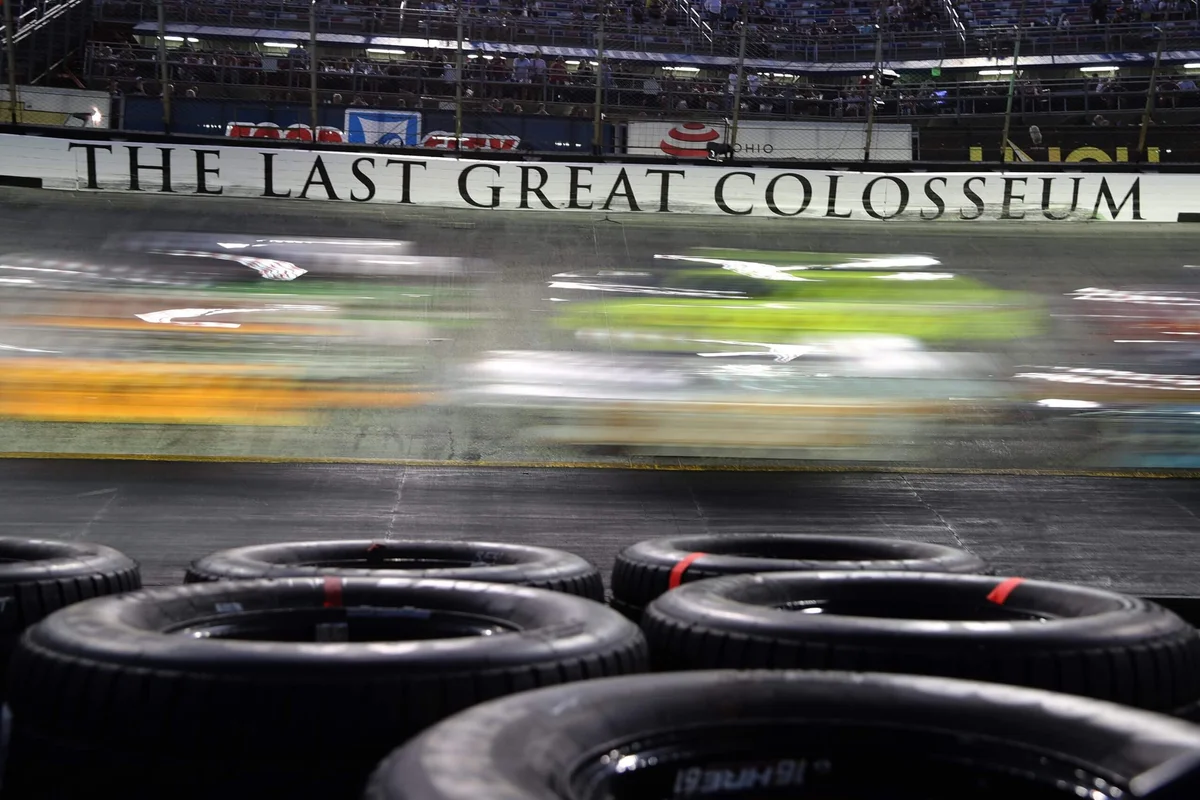
Front Row Motorsports race strategy is at the heart of their ongoing pursuit for better results in the NASCAR series, shaping every decision they make on and off the track. From meticulous data analysis to tailored planning for each event, the team’s approach is a blueprint for steady performance and growth throughout a demanding season.
NASCAR: More Than Just Speed on the Track
At first glance, NASCAR racing seems to be all about speed and the driver’s ability, but beneath the surface, decisions rooted in data and careful planning dictate much of what happens every lap. Teams such as Front Row Motorsports have become known for leveraging strategy, not just outright speed, to stay competitive against larger, resource-rich opponents. Their philosophy extends from the earliest planning meetings to the final checkered flag, demonstrating that racing is about timing, resource management, and adaptability as much as it is about horsepower.
Navigating a Diverse Racing Landscape
NASCAR challenges teams with a wide array of tracks, including superspeedways like Daytona and Talladega, short tracks, intermediate ovals, and even road courses. Each unique setting forces teams to rethink their approach. Front Row Motorsports studies factors such as track surface, projected weather, and race length, then crafts a race plan tailored to those variables. On short tracks, patience and car control rule; at intermediate tracks, long-run tire management becomes essential. When racing at superspeedways, drafting and team collaboration often take center stage. This deep preparation enables Front Row Motorsports to maximize results regardless of the week’s challenge.
Strategizing Well Before Race Day
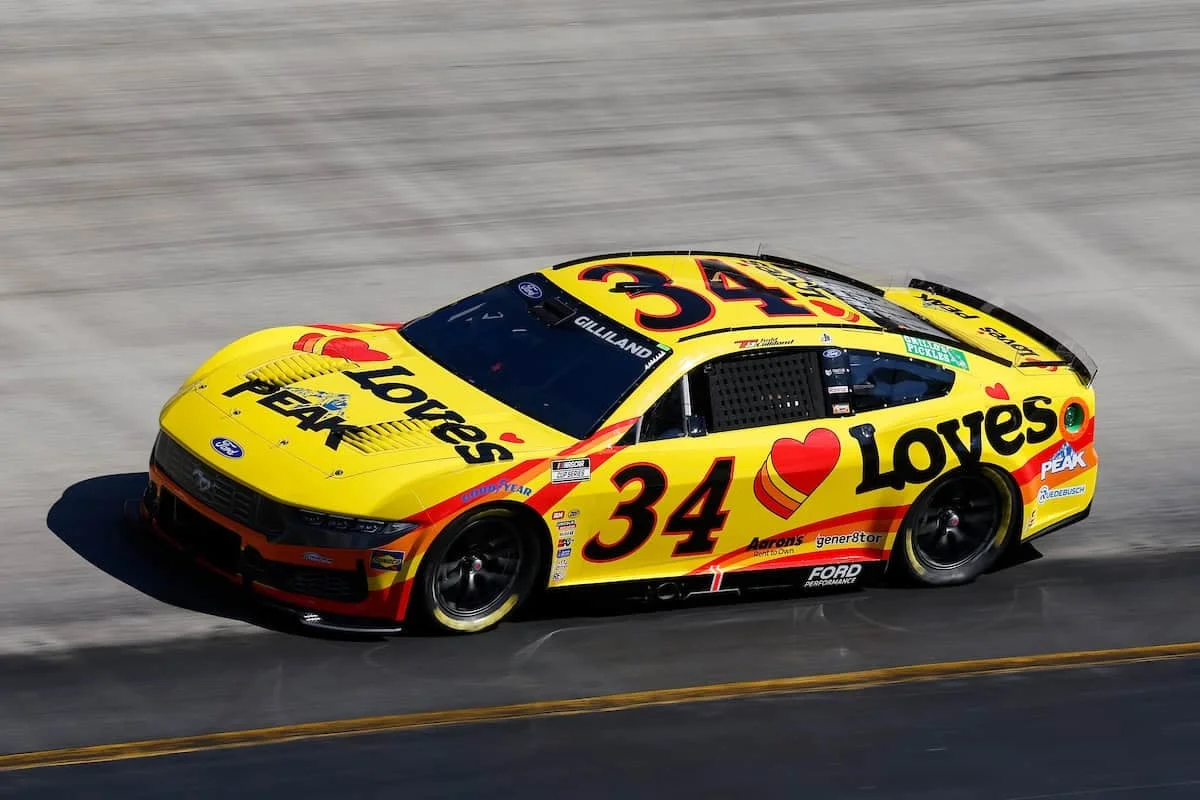
Preparation for each NASCAR race is a detailed process that begins well before the engines fire up on race day. In the weeks and days leading up to an event, Front Row Motorsports reviews data from past competitions, analyzes trends seen in practice sessions, and simulates possible race scenarios. By studying tire wear, pit-stop windows, and how fuel usage aligns with scheduled stage breaks, the team equips itself to respond calmly to the unpredictable nature of races. This proactive planning is critical, especially when late-race cautions or unexpected strategies from competitors shake up the running order.
Gathering Crucial Insights During Practice
Practice sessions are where theory meets reality. Engineers and drivers at Front Row Motorsports use this time to measure both short-run explosiveness and long-term stability. By examining lap-time drop-offs, assessing tire performance, and seeking driver input, they determine how to tune the car before qualifying and the main event. The collaboration between engineers and the driver helps uncover the small tweaks that might provide an advantage on race day, whether it’s a chassis adjustment for better handling or a slight change in tire pressures to extend their life over longer stints.
Qualifying: The Balance Between Speed and Endurance
Securing a strong starting spot in qualifying can offer momentum, but Front Row Motorsports often opts for a setup that prioritizes long-term consistency over one-lap excellence. While pushing for the front row can be tempting, the team believes that a car strong in the latter stages of a race usually produces better results overall. Their focus remains on race setup, accepting that a modest loss in qualifying position is worth the potential gain in maintaining pace deep into the final laps.
Pit Stops as Strategic Turning Points
Pit road is where races can hinge on split-second decisions. Front Row Motorsports tracks critical data such as fuel range and tire degradation live during every event. Factoring in green-flag runs and caution periods, the team must choose between coming in for fresh tires or staying out to gain track position. Relying on real-time input from spotters, engineers, and the driver, the team’s calculated decisions frequently pay dividends, allowing them to gain positions against faster cars by making the right calls at the right moments.
Adapting to the Stage Racing Format
The NASCAR stage format adds fresh complexity to the race weekend. At times, Front Row Motorsports targets stage points to aid their season-long ambitions, while on other days, they’ll sacrifice those points to secure a better position for the race’s conclusion. Flexibility is vital—sometimes staying out during a stage break gains track position, whereas in other situations, collecting early stage points best supports long-term goals. This flexible strategy empowers the team to respond effectively to each race’s unique rhythm.
Real-Time Adjustments and In-Race Learning
NASCAR races rarely unfold according to a set script. Front Row Motorsports keeps a constant eye on lap times, throttle metrics, and tire trends as the event progresses. Engineers combine this data with the driver’s real-time feedback to make informed adjustments to the car’s setup during pit stops. Adaptability ensures that each stop brings tangible improvements in balance and driver comfort, often resulting in stronger finishes compared to earlier stages of a race.
Analyzing Each Race for Future Advantages
Improvement is an ongoing process. After each race, Front Row Motorsports holds detailed post-race reviews, breaking down every phase—from pit stop timing to strategy execution and driver performance. Comparisons with similar NASCAR teams reveal opportunities for growth, enabling Front Row Motorsports to refine strategies for subsequent races. This relentless pursuit of improvement helps them build a competitive advantage, even against teams with greater resources or deeper track histories.
The Power of Team and Driver Communication
Clear, reliable communication underpins successful race weekends for Front Row Motorsports. Driver insights are valued as highly as the data engineers analyze, and aligning both perspectives allows for quicker, more decisive changes. This mutual trust keeps the team focused during turbulent or unpredictable race situations, supporting smooth operations in the garage, on pit road, and out on the track.
Thriving Amid Fierce Competition
The competitive nature of NASCAR means front-running teams know every advantage counts. Front Row Motorsports continuously looks for ways to gain ground through smarter resource management, inventive race tactics, and by leveraging every piece of data. Their strategy is similar to how informed fans and analysts weigh options—studying trends, reviewing performance, and basing decisions on measurable evidence. This data-driven approach levels the playing field against more established or better-funded rivals.
Committed to Sustainable Progress
Rather than focusing solely on immediate glory, Front Row Motorsports invests in small, consistent improvements over time. This long-term philosophy has helped the team develop a foundation for durable performance across various tracks, from the classics like Daytona and Talladega to short tracks and the challenging field at venues such as Thompson and the Las Vegas Bullring. Maintaining this mindset ensures they remain competitive, regardless of changing conditions or the unpredictability each event can bring.
Why the Front Row Motorsports Approach Matters
Front Row Motorsports demonstrates that success in NASCAR goes far beyond speed, centering instead around a strategic mindset built on data, planning, and teamwork. Their race strategy influences everything from pre-race preparation through to real-time decisions and continuous post-race learning. This approach continues to help the team carve out a stronger presence in the series and inspires others seeking sustainable growth in one of motorsports’ most challenging arenas.