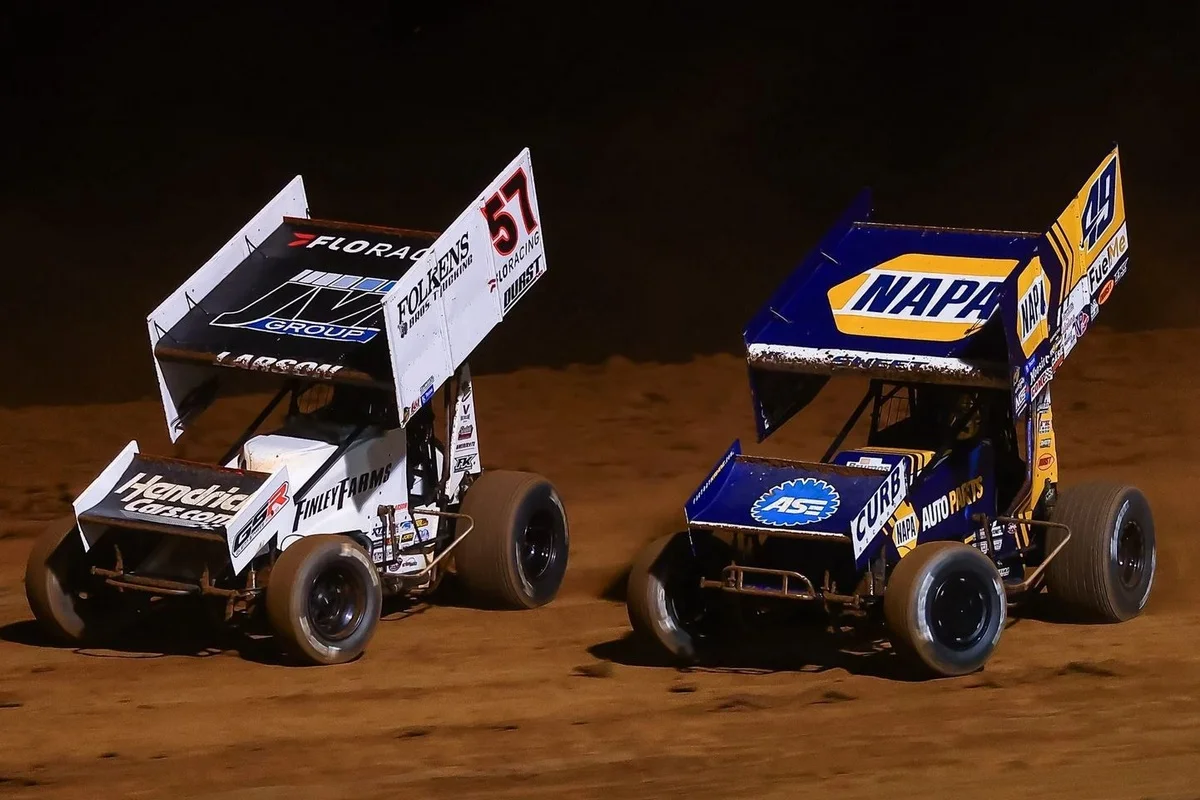
Controversy has emerged in the sprint car world as STP Motorsports, a competitor of Kyle Larson, revealed that it has yet to receive a $15,000 prize for a major victory at Atomic Speedway in October 2025. The Kyle Larson sprint car controversy calls into question the reliability of payouts in regional motorsports and exposes the financial vulnerability of smaller teams.
Atomic Speedway Payout Dispute Draws Public Attention
At the heart of the controversy, STP Motorsports secured a high-profile win at the Atomic Speedway sprint race, with Bryce Lucius piloting the #32 car to first place—an achievement witnessed by a large audience on FloRacing. The victory entitled the team to a $15,000 winner’s purse, a substantial reward for regional squads often struggling with the high costs of racing.
The situation quickly turned sour when, after months had passed since the checkered flag, STP Motorsports announced publicly that it had not received the promised funds. The team’s message to supporters was somber:
“It is sad for me to report that after winning the Sprint Car race at Atomic Speedway on October 25, 2025, STP Motorsports has not been paid the advertised $15,000 winner’s purse,”
—STP Motorsports.
In the aftermath, STP Motorsports received two checks from the event organizers, yet both were returned for insufficient funds, deepening the team’s frustration and uncertainty. The ordeal continued when a promised wire transfer payment failed to materialize. As the team detailed to fans:
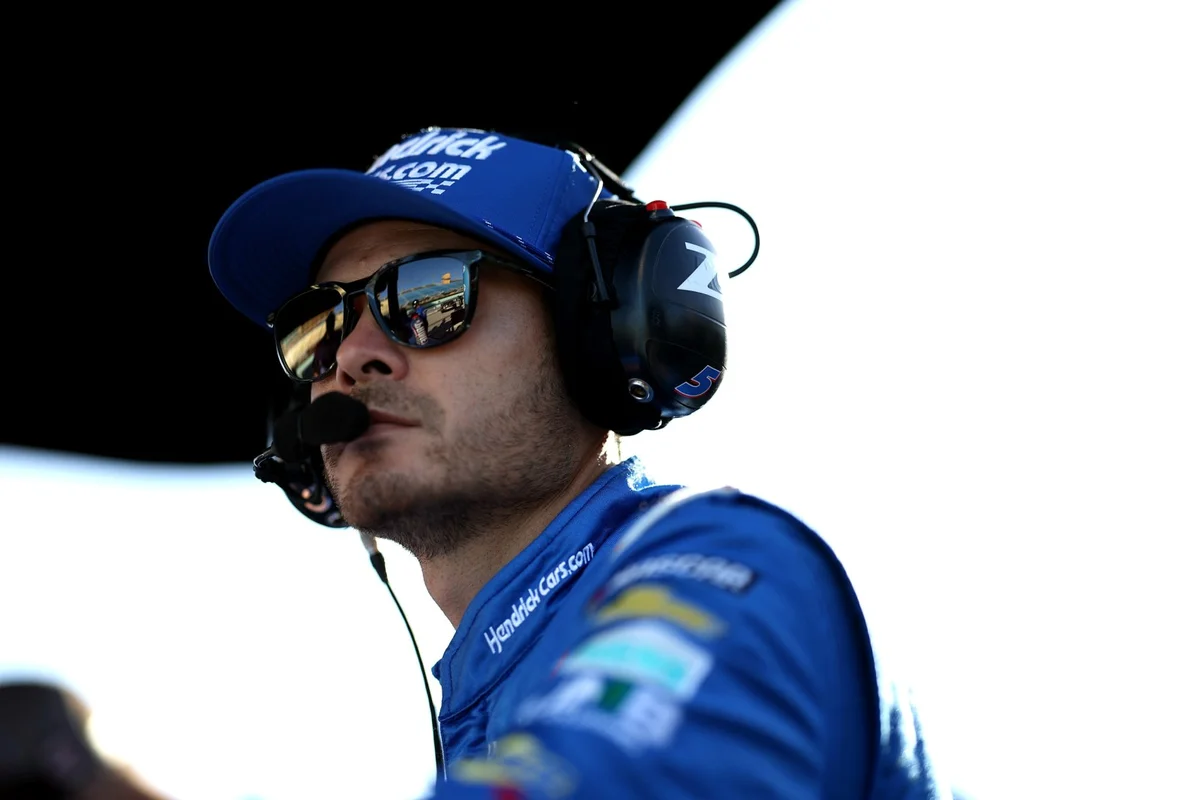
“Since that race, we have received two separate checks from Atomic Speedway[…]Both checks were returned due to insufficient funds. We were later advised that payment would be made via wire transfer, which has not been received as of this posting,”
—STP Motorsports.
The pursuit of the winnings has now escalated, with STP Motorsports considering both criminal and civil actions to recover not only the prize but also damages:
“At this point, we are proceeding with both criminal and civil remedies to recover our unpaid winnings and related damages,”
—STP Motorsports.
The Financial Realities Facing Regional Sprint Teams
The controversy has highlighted the precarious financial standing of regional teams, including those who regularly compete against top-tier racers like Kyle Larson. The costs of maintaining a competitive sprint car outfit are considerable. Even ostensibly minor expenses, such as tire replacement, can have a significant impact on a team’s finances, especially when prize money is uncertain or delayed.
For organizations like STP Motorsports, prize funds are not merely bonuses—they are essential to covering day-to-day operations and future race entries. The $15,000 sum, though smaller than what is seen in elite stock car races, is nonetheless crucial for these teams to remain active and viable on the circuit. The inability to collect this amount has immediately affected STP’s ability to proceed with normal operations, forcing difficult decisions and public appeals for accountability from race organizers.
It’s important to note that STP Motorsports is not new to the professional motorsports arena. Their record includes competition against drivers like Kyle Larson in series such as High Limit Racing and the World of Outlaws, demonstrating substantial experience on the track. Yet, when the expected prize was withheld, the team found itself at risk—underscoring how even established regional contenders are vulnerable in a system where payer accountability may falter.
Legal and Reputational Consequences Loom for Organizers
The matter is no longer merely a financial inconvenience. Because STP Motorsports is now pursuing legal recourse against Atomic Speedway, the dispute could result in significant legal and reputational consequences for the race organizers. As noted in the team’s social media statements, the absence of timely and reliable payouts exposes both the foundational challenges in event management and a broader issue affecting the entire community of regional motorsports.
Observers note that this incident is calling attention to the necessity for improved oversight and contractual diligence in grassroots racing, especially as the sport grows and attracts more fans and high-caliber participants like Kyle Larson and his rivals. If teams continue to face risks in collecting their winnings, the viability of future events—and the trustworthiness of their organizers—could be called into question, potentially discouraging participation and damaging the sport’s reputation among both teams and supporters.
What’s at Stake for the Sprint Car Community?
The Kyle Larson sprint car controversy at Atomic Speedway is more than just a dispute over a single purse; it stands as a high-profile warning about structural cracks in the financial systems underpinning regional racing. With stakes this high, event organizers may be forced to strengthen their procedures, ensuring both legal compliance and the continued trust of competitors. Meanwhile, teams like STP Motorsports are left struggling with the costs, consequences, and emotional toll of contesting for their rightful earnings—reminding all stakeholders just how vital reliable prize distribution is to the sport’s future.
Well that’s certainly a bad look for atomic. pic.twitter.com/RVxH4SxiE4
— Joey Wade (@JoeyWade84) December 16, 2025