
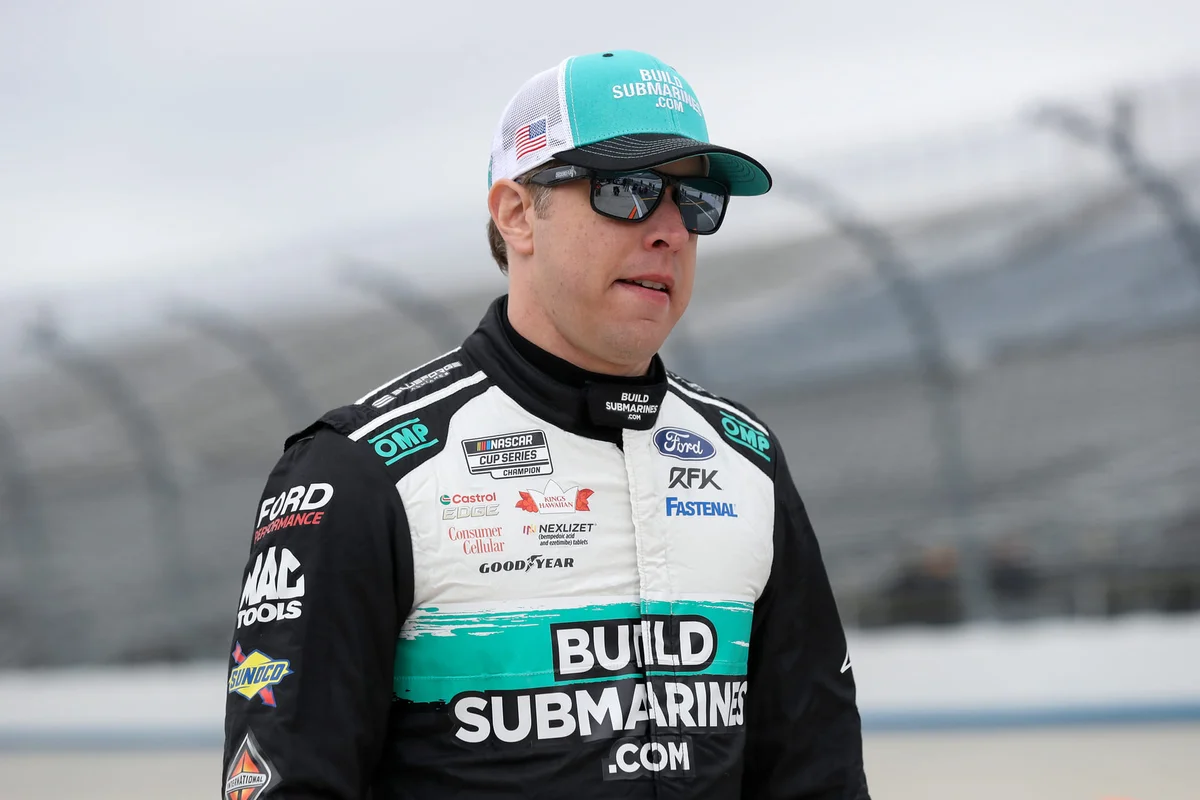
Brad Keselowski, the driver and co-owner of RFK Racing, has raised concerns after NASCAR confirmed changes to its 2026 session times, warning that reduced practice could diminish driver star power. The Brad Keselowski NASCAR practice time debate centers on how a compressed race weekend schedule might limit fan engagement and driver development.
Teams Face Shorter Practice Opportunities
After NASCAR’s recent schedule update, Cup Series practice sessions will stay the same as last season—a 25-minute period in a split-field format—but the Xfinity and Craftsman Truck teams will only get one 50-minute session without group splits. Bob Pockrass of Fox Sports explained that these changes have angered fans, who argue that cutting Brad Keselowski NASCAR practice time reduces drivers’ visibility and chances to connect with supporters at the track.
Keselowski voiced agreement with this fan frustration, emphasizing that drivers need more time on track to build their public profiles and maintain the sport’s popularity. He believes that practice directly boosts star power and helps fans relate to drivers, regardless of the on-track action’s quality.
“NASCAR really needs star power more than quality racing. People will love and enjoy terrible racing if the star power is there and unfortunately the opposite holds true. This is all to say, star power gets enhanced with practice in a multitude of ways that should far surpass any loss in quality of racing,” Brad Kesewloski replied to a fan comment.
Practice Reductions: A Decade of Change and Challenges
The Cup Series has experienced decreasing practice lengths for years. While the current format offers 25 minutes, past seasons—especially before 2016—allowed teams up to 110 minutes per session. NASCAR has continued reshaping the system, shrinking practice blocks in 2016 and almost eliminating them during the pandemic-affected 2020 and 2021 seasons. Although some extra practice windows are returning in 2025, this still falls short of what was routine a decade ago.
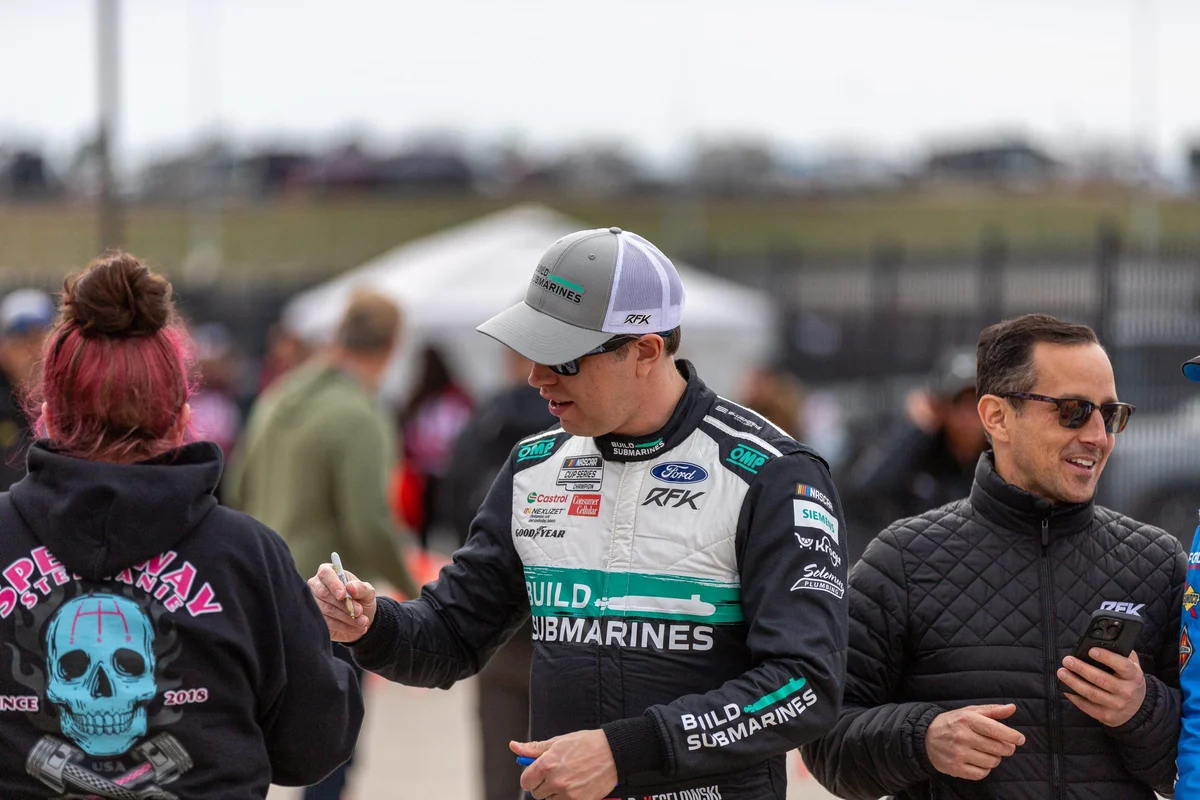
This reduction is viewed as especially tough for younger drivers and newcomers, including rookies like Connor Zilisch and Shane van Gisbergen, the upcoming Rookie of the Year contender who lacks oval racing experience. Critics argue that these drivers benefit most from additional track time and that cutting practice hinders their growth in the Cup Series.
RFK Racing Eyes Better Results After Difficult Season
Brad Keselowski finished 20th in the NASCAR Cup standings this past season, notching six top-5 and thirteen top-10 placements. His best effort was a runner-up finish at Phoenix Raceway during the season finale. However, RFK Racing endured a winless campaign and did not get any of its main Fords—including Chris Buescher in seventeenth and Ryan Preece in eighteenth—into the playoffs.
Optimism Ahead for Keselowski and RFK Racing
Looking toward 2026, Brad Keselowski remains hopeful for turnaround at RFK Racing. At a team gathering, he acknowledged the team’s dedication and set a positive tone for the future.
“Closing out the year surrounded by the people who make it all possible. Thankful for everyone [RFK Racing] and the incredible work that goes into everything we do. Ready to see what 2026 has in store for us!”
The next NASCAR Cup season opens with the Daytona 500 on February 15, and both Keselowski and his team are working to start strong. The ongoing debate over the Brad Keselowski NASCAR practice time highlights broader questions in the sport about balancing efficiency, competitive growth, and sustaining its stars’ connection with fans. What unfolds in upcoming seasons could shape NASCAR’s relationship with both drivers and its fan base for years ahead.
Closing out the year surrounded by the people who make it all possible. Thankful for everyone @rfkracing and the incredible work that goes into everything we do. Ready to see what 2026 has in store for us! pic.twitter.com/6Dnu2FxK3F
— Brad Keselowski (@keselowski) December 3, 2025

