

The Denny Hamlin NASCAR antitrust lawsuit, led with Michael Jordan’s 23XI Racing and Front Row Motorsports, has dramatically concluded, but the repercussions for NASCAR are just beginning. After a tense federal trial and a consequential settlement, NASCAR finds itself forced to confront longstanding rifts and public distrust that the courtroom battle exposed.
Settlement Brings Unresolved Tensions to the Surface
The federal case brought by 23XI Racing, co-owned by Michael Jordan and Denny Hamlin, alongside Front Row Motorsports, stretched over eight days of testimony and evidence before being resolved through settlement. NASCAR ultimately conceded on the pivotal demand, granting all teams a permanent charter—a demand made abundantly clear throughout the proceedings as necessary for the teams’ survival and fairness in sport operations.
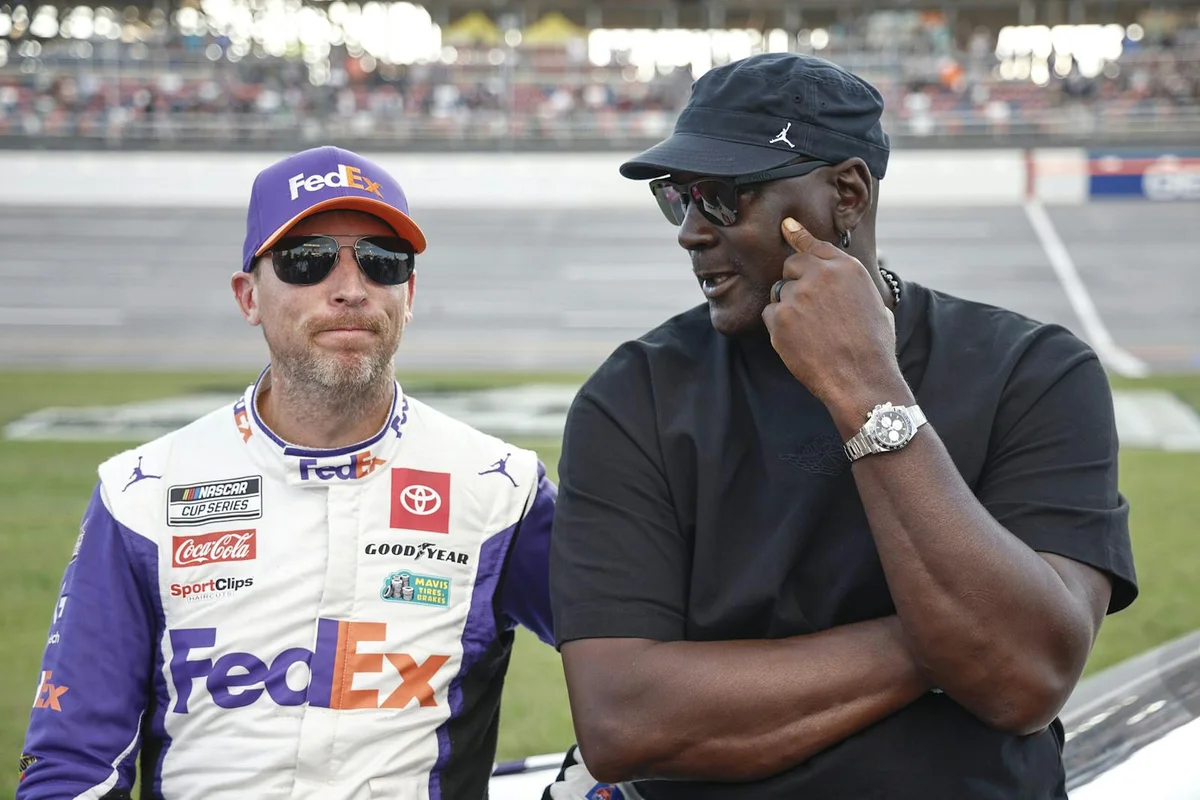
Michael Jordan emphasized the action as a critical step against what he saw as monopolistic control, arguing there was little choice but to stand up for his team’s and others’ long-term futures. Denny Hamlin’s testimony underscored how acceptance of NASCAR’s prior deal could have meant severe financial harm for his organization. Their case brought to light relentless frustrations that had been simmering among NASCAR’s competitive ranks.
Trust Shaken by Courtroom Revelations and Leadership Scrutiny
The lawsuit aired previously private conflicts involving NASCAR’s business culture and relationships. Messages and depositions revealed internal disputes, heated digital exchanges, and sharp comments from executives about both team owners and fans. The public learnings went beyond legal procedure, pulling back the curtain on years of tension and discontent that have now become central talking points among fans and insiders.
The France family, who oversee NASCAR’s operations, saw their internal communications publicly dissected, unveiling disparaging remarks that questioned the integrity and mutual respect among the sport’s leadership and stakeholders. As a result, trust among owners, key team figures, and dedicated fans is now visibly eroded, sparking questions about how deeply these divisions will impact NASCAR’s future direction.
Despite the deal preventing a more devastating legal or PR setback for NASCAR and its leadership, the damage to crucial relationships within the sport is significant. Some team owners, including prominent figures such as Childress, remain at odds with top NASCAR executives like Phelps, stemming not only from the trial but also from past competitive rulings, like Austin Dillon‘s playoff denial following his Richmond victory.
“Now add to that the texts Phelps sent colleagues that Childress is an ‘idiot’ and an ‘a**-clown’ who should be ‘taken out back and flogged’ and it is pretty easy to assume that this relationship will never be one of friendship.”
— Bob Pockrass, Insider
NASCAR Faces Uncertain Road to Recovery
As the dust settles, NASCAR stands at a pivotal point. The settlement allowed the sanctioning body to avoid a public courtroom defeat and retain involvement from star stakeholders like Jordan and Hamlin, but it has also forced core issues into public consciousness. Pressing questions about the sport’s culture, business model, and the divisions among its most important participants now require urgent and meaningful solutions.
Going forward, NASCAR must work to restore the confidence of its owners, fans, and sponsors while also considering significant changes to its operations. Whether this moment leads to a more equitable and collaborative environment—or deepens the fractures for good—remains uncertain. What is clear is that the turmoil revealed by the Denny Hamlin NASCAR antitrust lawsuit has left an indelible mark on the racing world’s landscape.
Second Thoughts: Can Michael Jordan, Denny Hamlin, NASCAR Mend Relationships? @NASCARONFOX https://t.co/bdGDblybfO
— Bob Pockrass (@bobpockrass) December 17, 2025

