

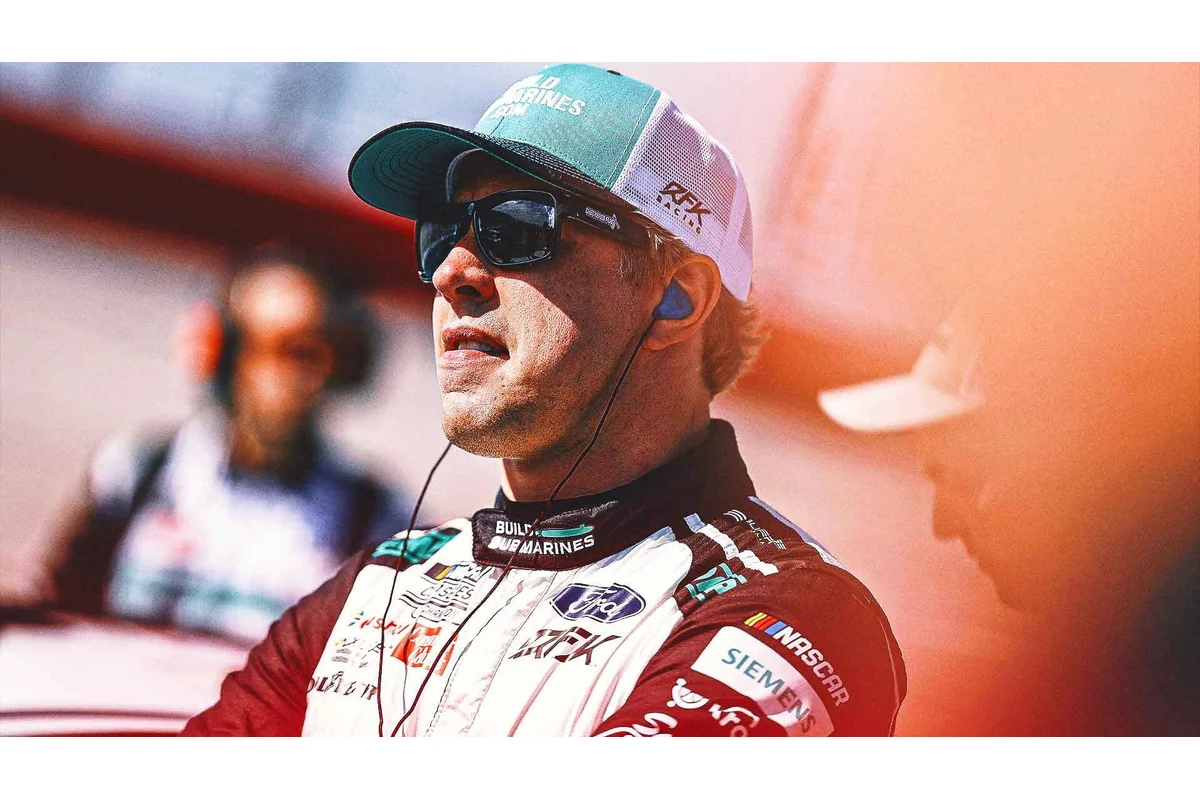
Brad Keselowski’s recent offseason injury, which saw the NASCAR driver suffer a broken leg in a skiing accident, has reignited discussion in the motorsports community about the risks top drivers face away from the racetrack. The Brad Keselowski skiing accident impact is already being felt within NASCAR circles, as teams and industry veterans consider the broader effects of such incidents on entire organizations.
Unexpected Off-Track Setback and Recovery Outlook
The accident occurred during the offseason and led to immediate surgery for Keselowski, who is expected to achieve full recovery in time for the Daytona 500 scheduled for February next year. Early medical assessments have been positive, relieving some concern for RFK Racing and those relying on his performance. However, the incident itself has sparked renewed focus on how injuries can affect not only the driver but the wider team.
Sparking Industry Debate Over Personal Risk
Keselowski’s injury is the latest example fueling the age-old debate in NASCAR: how much risk should elite drivers like Brad Keselowski, Chase Elliott, and Alex Bowman assume in their private lives, knowing that their health has direct consequences for cup teams and employees? The conversation intensified after longtime NASCAR figure Kenny Wallace expressed concerns about high-profile drivers not fully appreciating the wide-ranging impact of offseason injuries.
Kenny Wallace Raises Teamwide Consequences
Kenny Wallace emphasized the far-reaching effects that injuries to drivers can have on NASCAR organizations, noting that when a prominent driver is sidelined, the aftermath ripples throughout the team ecosystem—including crew members, support staff, and families who depend on racing results for their livelihood.
“I think you got to live your life. But I will say that when you’re a Brad Keselowski, and you are these great drivers like a Chase Elliot and Alex Bowman and a full cup team, a lot of these cup teams got 50 employees, 50 families.”
– Kenny Wallace, NASCAR veteran
Real-World Examples of On-Track and Off-Track Injuries
Wallace highlighted a relevant situation involving Chase Elliott, who suffered a similar leg injury two years prior, forcing him to miss six races. While this created an opportunity for Josh Berry to compete at the Cup level in the No. 9 car, the absence of Elliott cost the team established team chemistry and potential earnings. The financial and competitive setbacks that followed demonstrate how losses accrue not only for the driver but also for everyone involved, from crew chiefs and engineers to support personnel.
“We just found out that Denny Hamlin made 14 million a year and there’s crew members depending on you,”
– Kenny Wallace, NASCAR veteran
Weighing Responsibility and Personal Freedom
According to Wallace, the consequences of an injury are not limited to the driver’s immediate health, as they filter down to crew chiefs, engineers, mechanics, and the extended families of team members, all of whom rely on strong results. While he stopped short of advocating for strict regulations on drivers’ personal lives, Wallace asserted that increased awareness is essential as the stakes grow higher.
Unique Burdens for Competitor-Owners
The scrutiny in Keselowski’s case is even greater because he holds dual roles as both a driver and co-owner of RFK Racing. This raises questions about whether individuals with such wide-reaching organizational responsibility should take extra precaution in their private lives, given their leadership position and influence on staff well-being.
Broader Lessons for NASCAR’s Future
NASCAR veterans, including Wallace, acknowledge that drivers deserve to enjoy their lives outside the racetrack, but emphasize that decisions made off-track can have significant consequences for a large network of employees. As margins in motorsports tighten and careers are defined by slim opportunities, the Brad Keselowski skiing accident impact underscores the importance of balancing personal freedom with professional responsibility—a conversation that is likely to endure as teams and drivers look ahead to future seasons.


