The Hendrick Motorsports racing philosophy change has reshaped the team’s approach to driver development and competition, marking a dramatic shift from restrictive policies of the past. Sparked by the arrival of Kyle Larson in 2021, Rick Hendrick and his organization now encourage drivers to compete in a variety of racing disciplines beyond NASCAR, fundamentally altering the sport’s landscape.
How Hendrick Overturned Tradition on Outside Racing
For decades, most leading NASCAR teams, following the example of organizations like Joe Gibbs Racing, discouraged their Cup drivers from participating in other forms of motorsport. Activities like dirt racing, sprint cars, and competing in outside leagues were deemed risky distractions. Rick Hendrick maintained this position for years, prioritizing safety and focusing resources solely on NASCAR, until a pivotal moment prompted change.
The catalyst came with the hiring of Kyle Larson, an accomplished dirt track racer, in 2021. Recognizing Larson’s unique skill set and appreciation for multi-disciplinary racing, Hendrick revisited his position on extra-curricular competition. The decision was influenced by feedback from drivers, shifting industry attitudes, and an evolving understanding that additional seat time could fuel growth and performance in NASCAR’s top series.
Reflecting on the earlier days, Kyle Larson described a rigid atmosphere:
“You know, we used to back when they weren’t letting guys run extracurricular stuff, like, you were practicing Friday, 2 session, qualify…Like they didn’t really have time to do it and they were testing more back then,”
Larson said.
As Cup testing rules changed over the years and the racing calendar evolved, team owners like Hendrick began to see wisdom in encouraging their drivers to seek more racing experience elsewhere. Larson explained,
“And so I think, I think the teams and team owners have recognized a little bit like sea time is important… I think that’s what you see a lot of teams now kind of let their guys go do some other stuff.”
Why Rick Hendrick Embraced the New Approach
Despite a long-standing resistance based on protecting driver safety, Rick Hendrick ultimately shifted his philosophy after seeing how much value outside competition brought to his drivers, particularly Kyle Larson. Once signed, Larson’s penchant for dirt racing and his desire to pursue other formats convinced Hendrick to overhaul the rulebook, benefiting not just Larson but his teammates too. As Hendrick himself admitted,
“I’ve changed my mind on the whole process,”
Hendrick said.
“I think driving big horsepower cars out of control has helped him a tremendous amount in the Cup racing. His car control is steel. So, you’ve got to be willing to change. I guess these guys have worked me over enough. I’ve done it.”
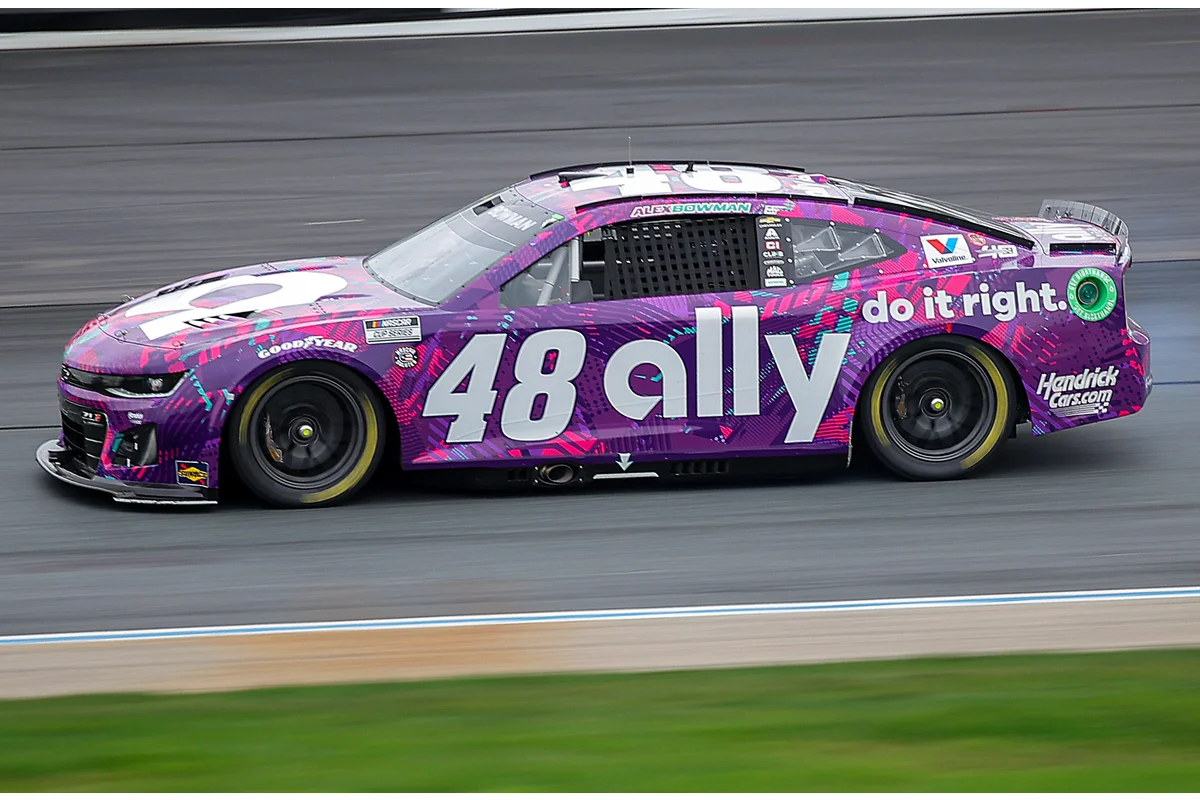
This mindset shift allowed the roster’s top talent, including Alex Bowman—an avid sprint car competitor—and William Byron, to pursue outside racing interests. The reigning 2020 NASCAR Cup Series champion, Chase Elliott, also began branching out into non-NASCAR competitions. Larson credited the wholesale departure from former policies, saying,
“They’ve kind of changed like completely 180 of what they used to because yeah, they didn’t let their guys do anything, it’s pretty cool. Obviously I think Rick would love if I didn’t you know, race all this dirt stuff, but I think there’s. The sport’s different than it used to be,”
the No. 5 driver added.
Kyle Larson’s Unprecedented Racing Schedule Under New Freedom
The changes at Hendrick Motorsports have been most visible with Larson, who now leads one of the busiest schedules in all of motorsport. Throughout 2025, Larson juggled a full NASCAR Cup Series campaign with dirt sprint races, midget car competitions, the famed Chili Bowl, and several international events. He even pursued the rare “Double” — running both the Indianapolis 500 and Coke 600 in the same day.
Such an intense agenda would not have been possible under previous restrictions. Instead, Hendrick’s support helped Larson and his colleagues grow as racers, taking on greater challenges and building sharper skills for NASCAR competition. During a demanding off-season, Larson competed in Australia’s High Limit Racing and planned to return for the Chili Bowl, keeping busy across continents and disciplines. Among his ambitions is another chance at the storied 24 Hours of Daytona, although he acknowledged there are some high-profile events he is less inclined to revisit even with the team’s backing.
Why the Indy 500 No Longer Fits Larson’s Plans
Despite his success elsewhere, Kyle Larson’s attempts to master both the Indianapolis 500 and the Coca-Cola 600 have proven extremely difficult. After two failed efforts—one plagued by weather delays in Indianapolis and another by a crash that left him unable to finish strong at Charlotte—Larson reconsidered his future priorities. Summing up his decision, Larson stated,
“I don’t plan on it while I’m a full-time NASCAR guy, but I would love to do it like put a full effort into running it maybe again someday when I’m done full-time racing,”
said the driver.
“But I don’t know; I’m already 33.”
His first year’s dual effort was derailed by rain, causing schedule overlap that left no chance to compete fully at Charlotte. The second saw promise fade with a crash on lap 91 at Indianapolis, after which a motivated but exhausted Larson journeyed to North Carolina, only to finish 37th following an early incident in the 600-mile Cup race. The logistical and physical demands reinforced just how rare and punishing completing the “Double” can be, even for one of the sport’s top competitors.
Significance and Future Implications for NASCAR
The Hendrick Motorsports racing philosophy change has not only transformed the careers of its drivers but also set a new precedent across NASCAR. By empowering athletes like Kyle Larson, Alex Bowman, William Byron, and Chase Elliott to compete in more varied forms of motorsport, Rick Hendrick has encouraged a broader definition of what it means to be a well-rounded racer. This open-mindedness could inspire other team owners and organizations to reconsider traditional limits and cultivate stronger, more adaptable drivers for the challenges ahead. As competition across disciplines continues, the potential for developing new skills, drawing in diverse fans, and expanding the reach of NASCAR is greater than ever before.