
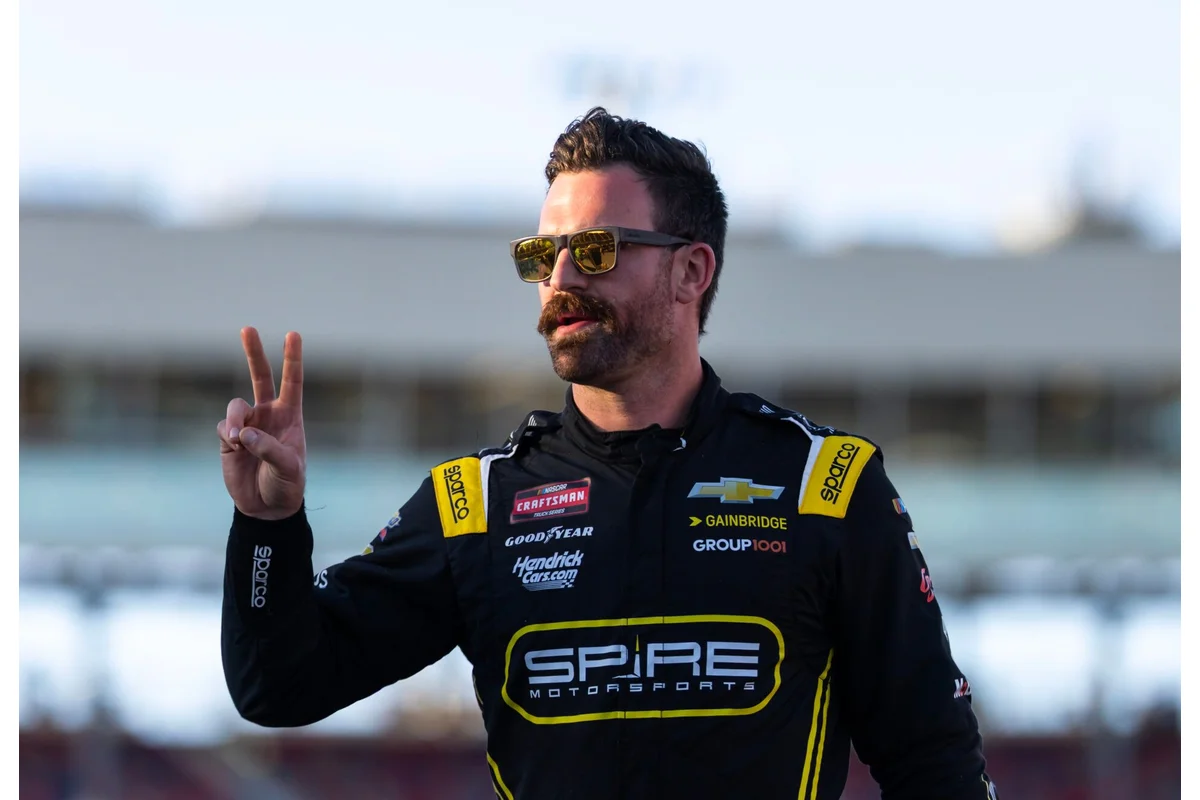
On December 26, 2025, Corey LaJoie publicly addressed the growing negativity within the NASCAR fan community, delivering sharp Corey LaJoie NASCAR criticism after nonstop outrage overwhelmed online discussion forums. Speaking out while reflecting on NASCAR’s shifting landscape, LaJoie’s remarks landed at a time when tensions among long-term supporters and newer fans are at a peak, fueled by changes in the sport and amplified by social media.
LaJoie’s words come as NASCAR grapples with evolving formats, declining ratings, and efforts to adapt its business, igniting heated debates inside and outside the racing world.
Fan Discontent Boils Over as NASCAR Evolves
NASCAR’s roots once centered around the simplicity of race days—fans united at the track, then debating the action afterward, before moving on with their week. Today, however, almost every aspect of the sport faces scrutiny. Weekly backlash targets the playoff structure and the efforts to court younger audiences, leaving longtime supporters feeling alienated. At the same time, business decisions, the controversial Next Gen car, legal disputes, and continuous tweaks to the rulebook have stirred a more frustrated and vocal audience than ever before.
In the middle of these ongoing debates, Corey LaJoie took to social media to state,
“Because there wasn’t an echo chamber invented yet for everyone to pile their opinions onto every week…”
— Corey LaJoie (@CoreyLaJoie) December 25, 2025. His comments followed a fan’s nostalgia about racing in 2005, describing how even empty seats at the track didn’t draw the kind of outrage heard today, due in part to the absence of social platforms amplifying every complaint.
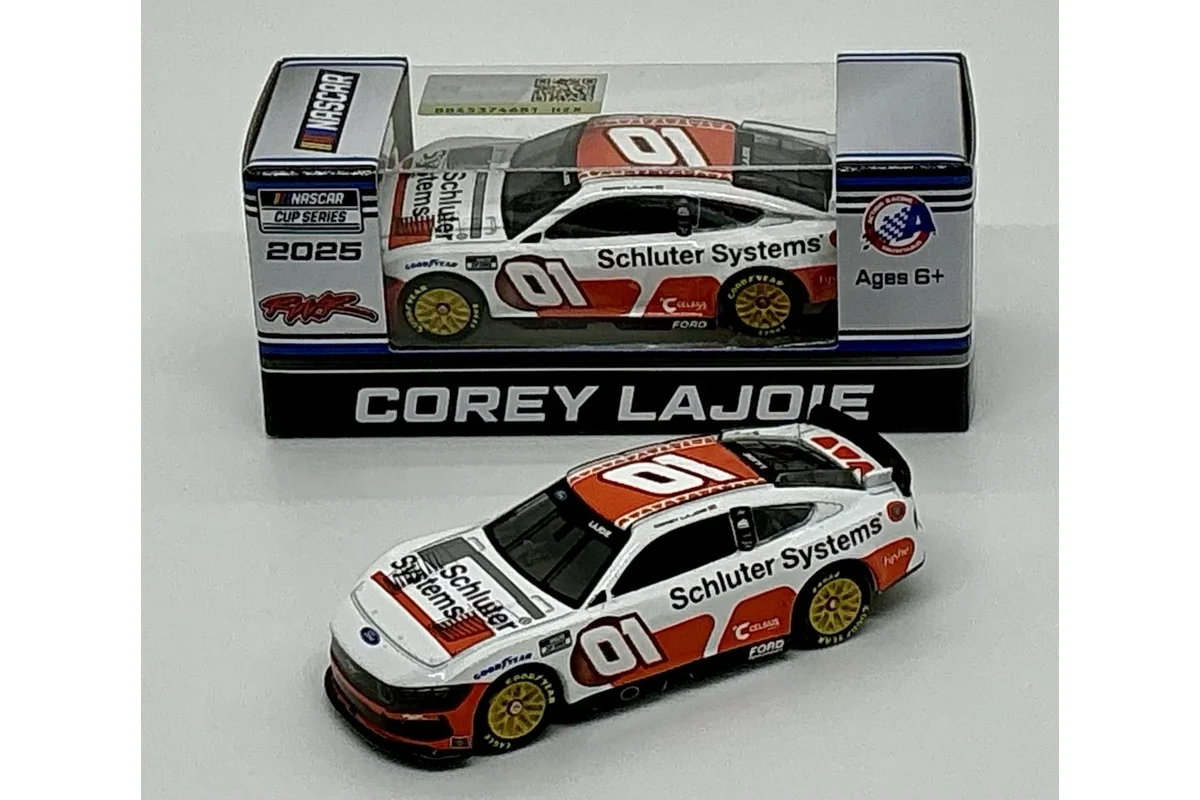
The emergence of online spaces, such as X (formerly known as Twitter), has changed the very nature of NASCAR discourse. Each race weekend reignites the same cycle: complaints about the playoff format, concerns over the latest rule changes, and fears that the “soul” of the sport is slipping away. The echo chamber effect LaJoie referenced has, in many ways, transformed manageable frustrations into relentless and public disputes over NASCAR’s entire direction.
Balancing Tradition and Change in the Racing World
For longtime observers, NASCAR’s evolution represents more than rulebooks and new venues—it’s a pitched battle over identity. While there’s no question that audience numbers have slipped in recent years, the challenge is bigger: NASCAR is now fighting for attention in a crowded sports arena. With Formula 1, Supercars, and even IndyCar gaining ground in the United States, the organization must innovate to survive, sometimes at the cost of angering its traditional base.
Experimentation in race formats, international expansion, and recruiting younger fans have become necessary moves as the sport leans into its business side. This process virtually guarantees controversy, as fans old and new find themselves on opposite sides of changes. The end result, as LaJoie suggested, is that no version of NASCAR will ever satisfy everyone—and the search for common ground is a daily balancing act for leadership, teams, and fans alike.
LaJoie was clear that his comments weren’t dismissing genuine complaints; rather, he pointed to the speed and volume at which negative reactions now spread. Complaints that once dissipated over drinks at the local bar or in the paddock now persist indefinitely online, making both the sport and its community more turbulent and conflicted with each passing season.
LaJoie’s Take on Daytona and His Future in NASCAR
As speculation swirled around LaJoie’s own plans, especially regarding the Daytona 500, he clarified his position about returning to NASCAR’s most famous race. The Daytona 500 remains a crown jewel, capable of reshaping careers in an instant, and Corey LaJoie has a reputation for consistent, clever racing on superspeedways. In 2025, driving for Rick Ware Racing, he finished 22nd at Daytona, managing the chaos and proving his value as a racer who knows how to avoid trouble and maximize results.
Questions naturally arise as to whether LaJoie, who has made his mark at Daytona in the past, will be back in 2026. He was characteristically direct about his future:
“I’ll entertain Daytona 500 offers because I think I can compete for a win in a decent car there, and [I] made the race the hard way a couple of times,”
LaJoie said.
“So, I think I bring some value to a team, and you could also make about a year’s worth of pay in one week. So, I’ll look at that, but yeah, like Truck Series offers, I’m not entertaining.”
— Corey LaJoie, NASCAR Driver
His openness to return for the Daytona 500 depends on the right opportunity, rather than any guaranteed commitment. With plans to continue as an analyst for Prime in 2026, LaJoie appears ready to pivot further into the media landscape, keeping his profile high in the NASCAR conversation whether or not he’s behind the wheel. But he left the door open for another Daytona appearance should a competitive offer arrive.
Broader Impact on Fandom and the Sport’s Future
The significance of LaJoie’s critique extends beyond one driver. NASCAR fandom today is marked by division and intensity, as change arrives at a faster, more visible pace. The echo chamber called out by LaJoie has helped magnify every controversy, making it harder for fans and stakeholders to focus on solutions or to find shared joy in the racing itself.
With key personalities like Kyle Larson and Greg Biffle also navigating the shifting waters—sometimes defending fans, sometimes challenging them—the stakes remain high for NASCAR’s next chapter. As voices like Corey LaJoie’s draw attention to how discourse is evolving, the sport faces its toughest challenge yet: rebuilding a culture where criticism can be constructive and passion doesn’t tip into outrage.
While the run-up to the 2026 Daytona 500 will keep Corey LaJoie in the news, his call for perspective serves as a reminder that NASCAR’s future depends not just on the cars and races, but on the community’s ability to adapt—and perhaps, to turn down the volume on the outrage that threatens the heart of the sport.
Because there wasn’t an echo chamber invented yet for everyone to pile their opinions onto every week…
— Corey LaJoie (@CoreyLaJoie) December 25, 2025

