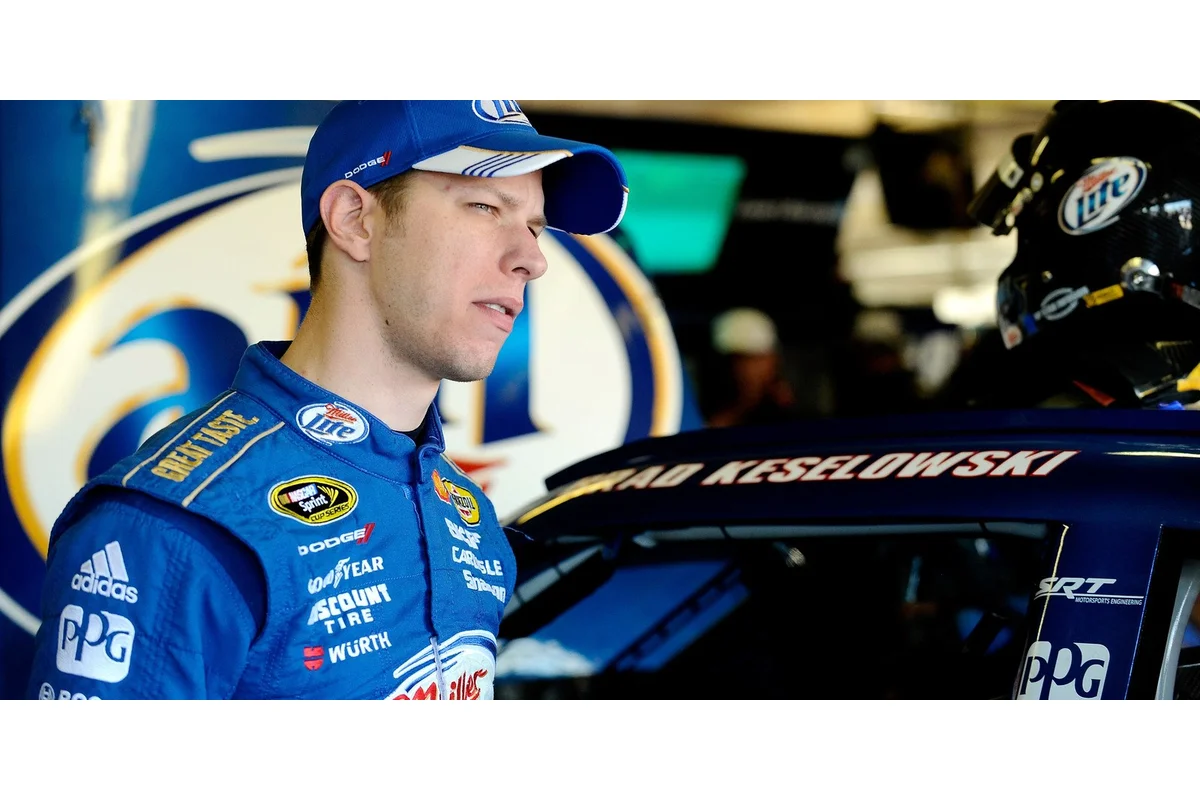
Brad Keselowski, now known as a standout NASCAR Cup Series driver and an accomplished team owner, had an unconventional beginning in motorsports—a far cry from the career paths of modern racing prodigies. While today’s youngsters, such as Brexton Busch and Keelan Harvick, often have early access to state-of-the-art support, Keselowski’s first racing job was defined by hard work and humble tasks, instead of immediate stardom. The focus keyword, Brad Keselowski first racing job, carries a story shaped by grit more than glory.
Brad’s introduction to racing was influenced by his father, Bob Keselowski, a respected NASCAR racer and team owner behind the local K-Automotive Racing operation. Bob Keselowski’s efforts led to an ARCA Menards Series championship and played a part in the start of the NASCAR Truck Series. However, even with this motorsports pedigree, Brad Keselowski’s first steps into the racing world did not involve driving or technical engineering, but rather the day-to-day work that keeps any race shop afloat.
Learning the Ropes Through Menial Labor
Keselowski’s entrance into the world of racing work came through a variety of low-level jobs at his father’s shop. He did not receive an early paycheck for his driving skills. Instead, in a 2015 conversation with journalist Jeff Gluck, Keselowski looked back at his earliest paid job, which had nothing to do with being behind the wheel.
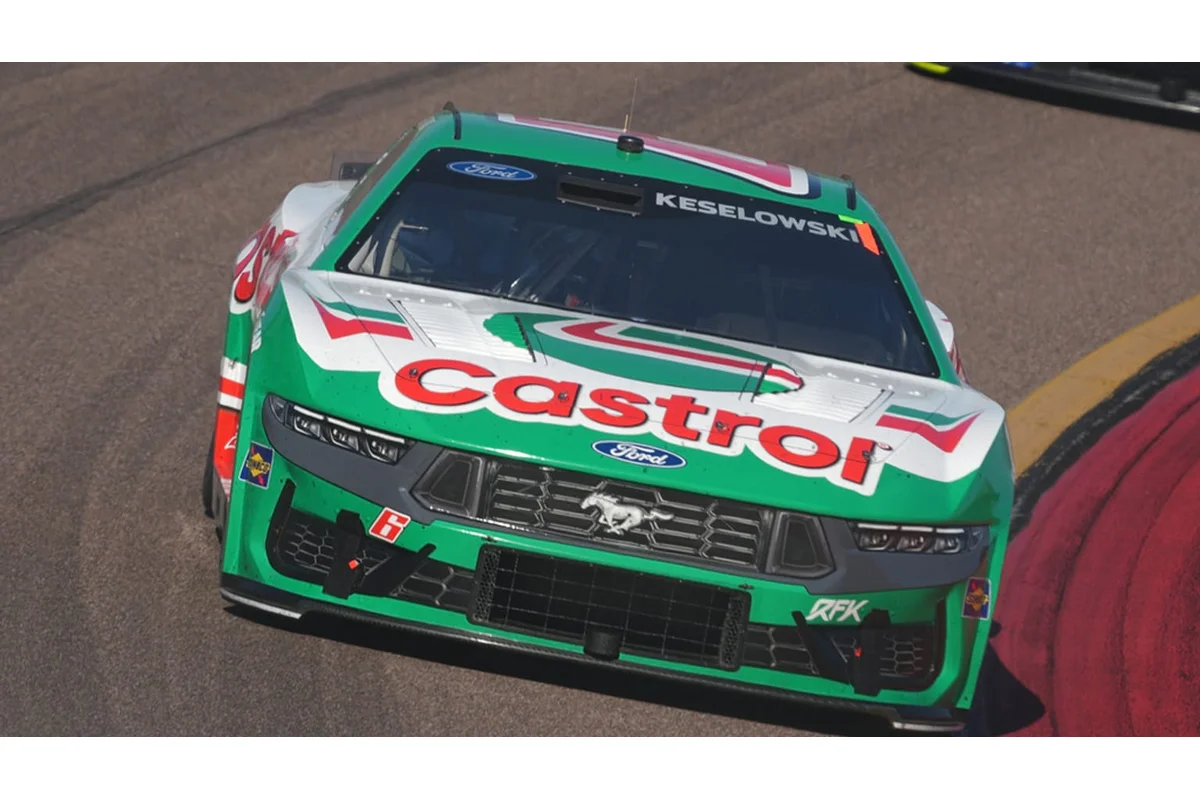
“They let me sweep floors, and I ended up mowing the grass a lot and mopping. I think I made like $20 a day, which was a lot of money when I was 16. I had to work 8 to 5 every day in the summer.”
— Brad Keselowski, NASCAR Driver/Team Owner
The work might have been simple, but it was relentless—long days full of physical labor, with just enough pay to keep a determined teenager motivated. While sweeping and mowing were daily routines, the most vivid and unpleasant memories revolved around keeping the shop clean, specifically dealing with the trash generated by a group of tobacco-chewing racers.
Confronting Unpleasant Realities in the Race Shop
Within the shop, nearly everyone except Keselowski’s family used chewing tobacco, and the evidence left its mark, not just on the workplace but on one of the least popular duties. The responsibility of disposing of the trash, often littered with tobacco spit, typically fell to Brad Keselowski.
“I’d be like, ‘Ugh!’ It just was gross.”
— Brad Keselowski, NASCAR Driver/Team Owner
As the trash was only collected once a month despite the enormous amount of waste generated by the race shop, Keselowski was forced to find creative solutions to keep things manageable. He described stacking large cardboard boxes and physically climbing into dumpsters to squash down the garbage and make room for the overflow, even as he dodged sharp metal scraps and the mess left by others.
“I remember being 15 or 16 years old in the dumpster, jumping on the boxes, and there’d be spit and chew all over everything. There were scraps of metal, and you’d be like barely dodging them to not get cut open.”
— Brad Keselowski, NASCAR Driver/Team Owner
The Cost of Thrift and the Value of Labor
Unable to tolerate the discomfort, Keselowski eventually asked his parents if the trash collection schedule could be improved, only to be turned down due to the expense. Years later, after founding his own race team, he finally understood the cost of more frequent trash pickup and was shocked at how little it would have cost to make those tough summer days easier.
“‘Could we maybe get the trash picked up once every two weeks instead of once a month so I don’t have to get in the dumpster and jump on everything?’ They’re like, ‘No, no, son. You don’t know how expensive that is.’”
— Brad Keselowski, NASCAR Driver/Team Owner
Lessons Learned Shape a Racing Career
Looking back, Keselowski, who now owns RFK Racing, credits these formative experiences with instilling the appreciation of hard work and the importance of every dollar earned or saved. The hands-on lessons he learned went beyond technical racing knowledge—they also shaped his understanding of teamwork, sacrifice, and resource management in the high-stakes world of NASCAR. His parents, it seems, always understood the greater value of these tough lessons—something that has remained with him as both a driver and racing owner.