
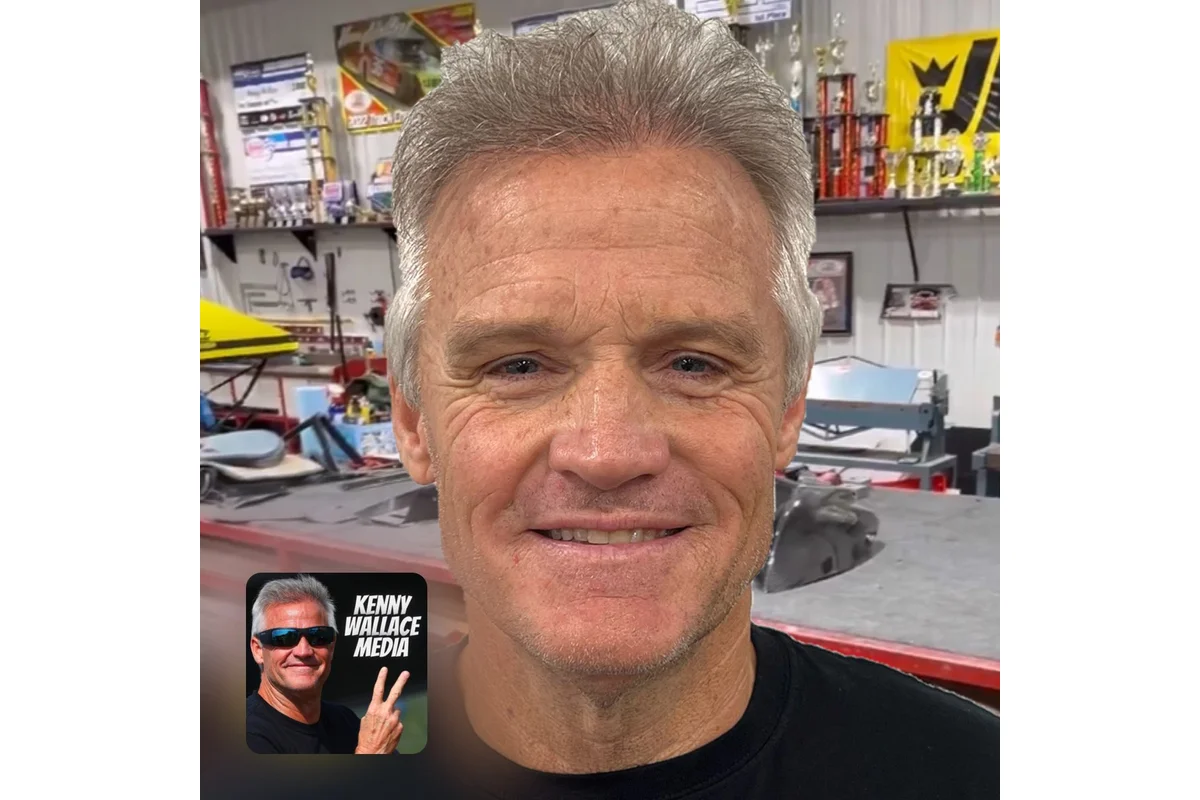
NASCAR’s adjustments in recent years, especially regarding team negotiations and revenue distribution, have sparked heated debate within the racing world. Veteran driver Kenny Wallace has voiced his strong NASCAR criticism, blaming changes in venues and commercial decisions for alienating many lifelong fans.
Turning Point: Recent Settlement and Its Implications
The settlement between NASCAR and the teams of 23XI Racing and Front Row Motorsports has shifted the dynamics within the sport. This long-standing antitrust case concluded with teams gaining ground in terms of how revenue and charters are managed. Officials have now made strides to place teams on equal footing with sponsors and partners, correcting what many saw as an unfair system.
Despite this progress, Wallace argues that these measures barely address the deeper issues pushing traditional fans away. NASCAR’s place in American sports culture has steadily weakened, not due to dwindling racing passion, but from a series of unpopular changes. The early 2000s peak of fan engagement has faded, with many blaming altered championship formats and the so-called ‘Chase’ system for distancing the faithful audience. The evolution into a playoff-style championship, which minimized season-long dominance in favor of single-race drama, left some supporters feeling the competitive spirit had been undermined.

How Venue Changes and Car Designs Altered the NASCAR Product
NASCAR has hinted at possible changes to its playoff format in the coming season, but the negative impact of previous decisions remains. Alongside championship adjustments, choices around car designs—particularly those aimed at equalizing team performance—have resulted in aero-dependent racing that many find uninspiring.
Kenny Wallace traces the erosion of fan enthusiasm to two key mistakes. His first major criticism involves NASCAR’s rapid expansion of 1.5-mile intermediate tracks. In his words,
“We had Atlanta, we had Rockingham. Charlotte was in there. Back in the late 80s, early 90s, you had the perfect amount of mile-and-a-half tracks.”
— Kenny Wallace, Veteran NASCAR Driver
Rather than investing in established tracks such as Bristol, which grew by expanding seating, NASCAR chose to construct new venues. California Speedway, designed as a large intermediate oval, illustrated this shift. Although its size impressed, fans faced years of lackluster racing as its surface aged and the racing action failed to deliver excitement. Similar scenes unfolded in Chicago and Kentucky.
This growth strategy led to the sidelining of classic circuits like Rockingham and North Wilkesboro. These venues, known for tight races and dramatic on-track battles, were replaced by tracks that penalized aggressive driving. As a result, the crowd’s emotional connection to the sport began to fade.
The movement away from historic Southeastern short tracks toward newer, urban-centered venues reflected NASCAR’s drive to achieve national prominence. To Kenny Wallace, this shift diluted the sport’s traditions and weakened its core fanbase’s loyalty.
Financial Pressures and Bundle Ticketing: The Second Major Flaw
Wallace cites NASCAR’s financial strategies as the second significant misstep. To generate more revenue, the organization began separating tickets for each division’s races, obliging fans to purchase individual passes for Truck, Xfinity, and Cup Series events.
“You gotta show up Friday, Saturday, and Sunday, and the dirt racing fans were like, ‘We just want to show up Sunday.’ It just priced everybody out.”
— Kenny Wallace, Veteran NASCAR Driver
Wallace points out that this change made attending a full race weekend less accessible for average fans, especially those only interested in the headline Cup races. While NASCAR’s financial situation encouraged these policies, the end result was declining attendance and growing disenchantment among grassroots supporters. Wallace acknowledges that declining fan engagement and increased legal scrutiny have forced NASCAR to reconsider its direction. He anticipates that substantial corrections could arrive by 2026.
Additional Issues and Continued Fan Frustration
Along with the issues Wallace identified, other decisions have also eroded fan satisfaction. Fragmented television deals have led to broadcasts packed with commercials, often missing key on-track moments and dulling the race-day experience for viewers. Many fans now perceive some race outcomes as forced or overly choreographed, citing frequent late-race cautions as evidence of engineered drama rather than genuine competition.
Whether NASCAR can regain lost trust remains to be seen. Repairs to the sport’s relationship with its traditional audience will likely take more than settlements or format reforms. As the racing world awaits the next wave of changes, long-time observers like Kenny Wallace continue to press for a return to what made NASCAR beloved in the first place: authentic action, accessible events, and a deep respect for the dedicated fans who fueled its rise.

