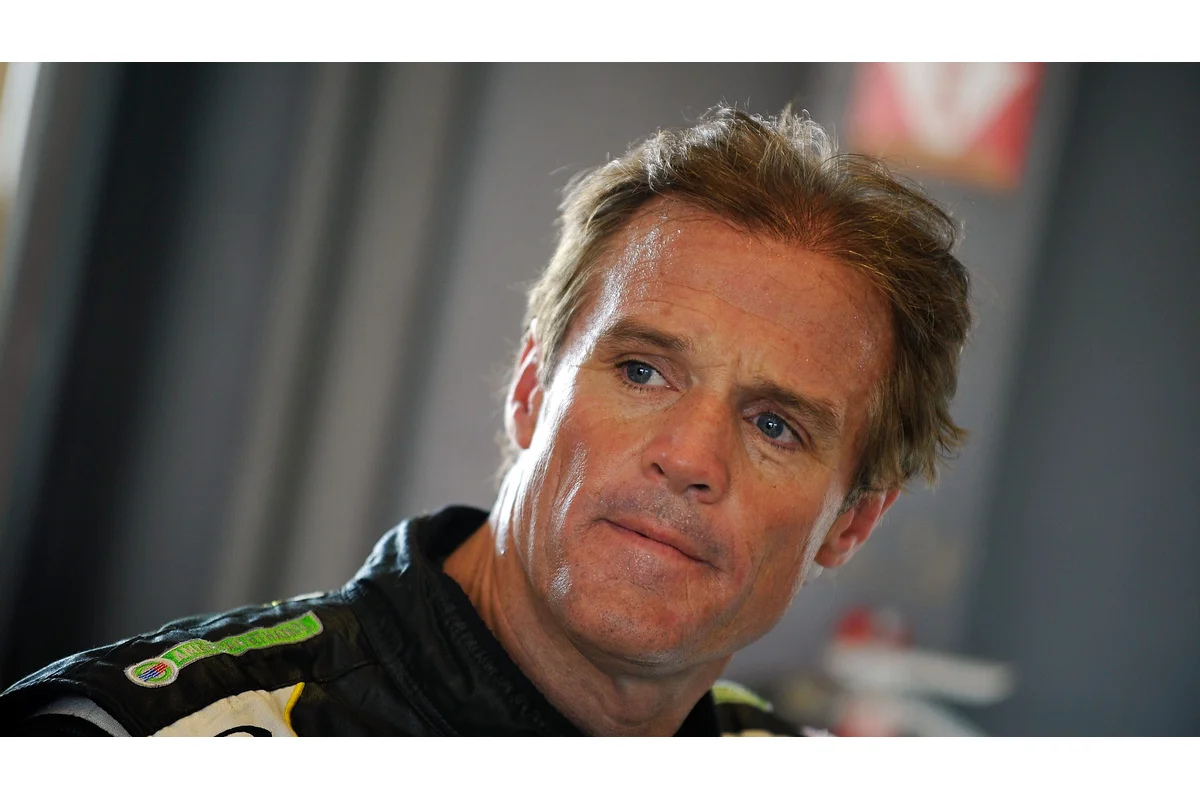
Kenny Wallace, a veteran NASCAR driver now retired, has brought renewed attention to choices made by the sport over the last twenty years, pointing out areas where mistakes altered its course. Speaking candidly in his recent Coffee with Kenny video series, Wallace discussed how NASCAR is now confronting these errors and outlining efforts to earn back the loyalty of fans, with a focus on improving things by 2026.
NASCAR Faces Up to Past Missteps, Leadership Listens to Feedback
Wallace emphasized that NASCAR leadership has finally reached a point where they understand the repercussions of decisions from the past. The damage, he said, only became apparent after the fact, with the organization now admitting its role.
“They realized what happened. It took them a while, and they definitely made some decisions that were not the way to go,”
Kenny Wallace said.
“You don’t know that until you messed up, but it takes a mature businessperson to say, ‘I’ll never do that again.’”
During his remarks, Wallace explained that NASCAR’s aggressive expansion was undertaken without a clear look at how it would affect the sport’s long-term health. The leadership prioritized growing the audience, increasing attendance, and scaling the operation, which in turn changed both the event schedule and the racing itself. Over time, these shifts altered not just the on-track action, but also the emotional connection fans felt with drivers and teams.
Currently, Wallace sees a change in approach from NASCAR officials, noting the sport is more open to criticism and feedback and no longer treats dissenting voices as irrelevant noise.
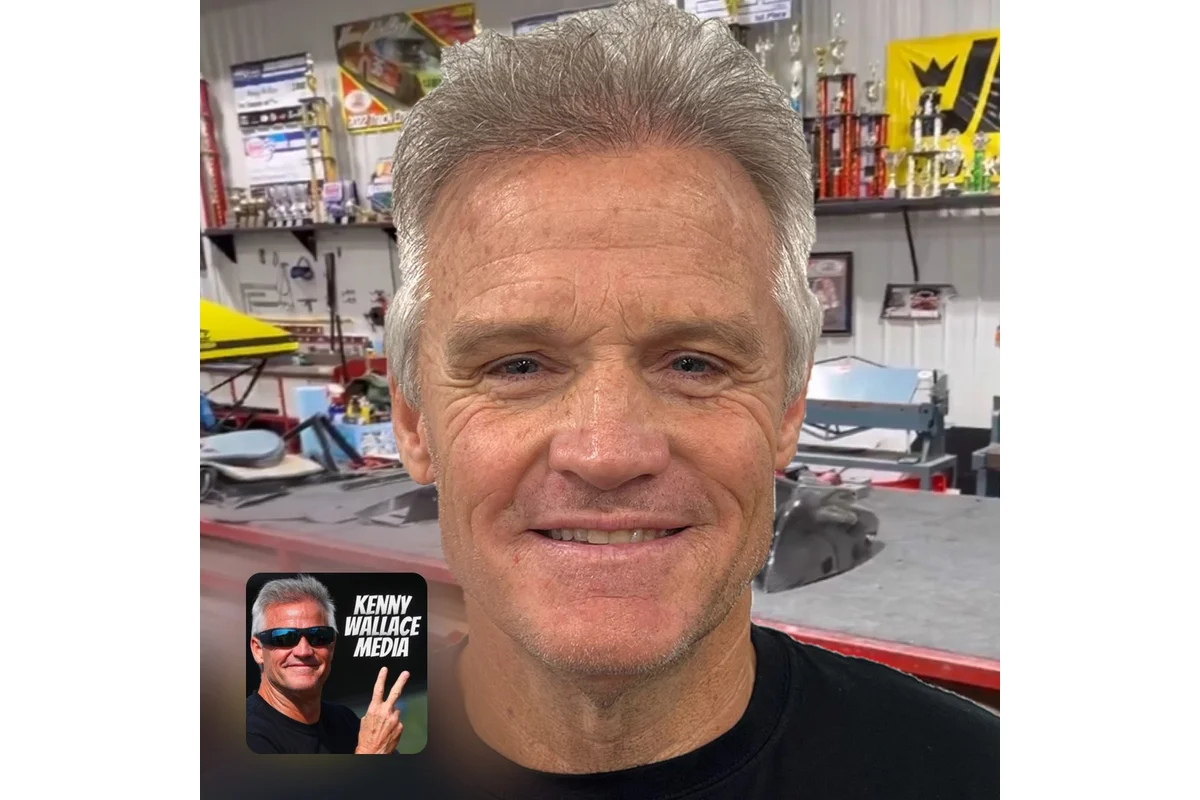
Growth of Large Tracks Resulted in Loss of Fan-Favorite Venues
One of the key mistakes, according to Kenny Wallace, was the push to build more intermediate, mile-and-a-half racetracks, departing from the short tracks that once thrilled racing fans. He described how this strategy came at the expense of some of NASCAR’s most exciting venues, where close battles and dramatic finishes were the norm.
“The first thing NASCAR did badly was they built too many big mile-and-a-half racetracks,”
Kenny Wallace said.
“We had the perfect tracks. We had Atlanta, we had Rockingham, and then all of a sudden they said, ‘We’ve got such a big crowd, we need more seats,’ so they built bigger racetracks.”
The shift resulted in hard choices and, as Wallace explained, losses that fans still remember.
“They got rid of Rockingham. They got rid of Wilksboro,”
Wallace said.
“They left the tracks that were exciting, where you get into each other, where the fans recognized it, and they were on their feet.”
He went on to highlight how the new tracks changed the nature of competition and the experience for both drivers and spectators.
“You can’t get into each other on those big mile-and-a-half racetracks, or else you’re out,”
he said.
“Let’s admit it. They’re not as exciting as a Rockingham. Those finishes were awesome.”
Ticket Sales Strategies and the Erosion of Fan Connection
Wallace also pointed out that changes in ticket sales and pricing played a pivotal role in distancing NASCAR from its core fanbase. The shift to bundled ticketing forced fans to buy access to entire weekend events, which, while lucrative, frustrated die-hards who only wanted to attend the main Sunday race.
Kenny Wallace did not mince words about this change. They got greedy, Kenny said.
“You had to buy one ticket for everything. Friday, Saturday, and Sunday, and the fans are like, ‘Man, we just want to show up Sunday.’”
Although this bundled model increased revenue in the short-term, it ultimately weakened the emotional link between the sport and its loyal followers.
“They made a lot of money, but they spent too much money,”
Wallace said.
“There’s got to be a balance.”
He recognized that NASCAR now realizes how those choices affected its relationship with the fans and that the organization has been changed by the experience.
“They have been humbled mightily,” he said, adding,
“NASCAR has been humbled mightily, and I know for a fact they hear y’all.”
Commitment to Rebuilding Trust and What’s Next for NASCAR
Looking ahead, Wallace detailed that NASCAR is preparing to take direct steps to restore fan trust, including launching a public tour in 2026 to re-engage with supporters. He expressed his willingness to participate in those efforts if called upon.
“They are going to go on tour in 2026, and they’re gonna make it right,”
he said.
“If NASCAR calls me, I will help them,”
he said. We’ve got to repair NASCAR.
The issues discussed by Kenny Wallace underline how shifting priorities in business, crowd dynamics, and venue selection transformed NASCAR’s landscape over recent years. With lessons learned and a more receptive leadership, the sport appears poised to reconnect with its audience and revise strategies that once created distance between teams, drivers, and the loyal fanbase.

“Coffee with Kenny”@NASCAR made some mistakes.
NOW it’s time to fix it.
MY OPINION 🏁 pic.twitter.com/4eVTv25rsE— Kenny Wallace (@Kenny_Wallace) December 26, 2025