
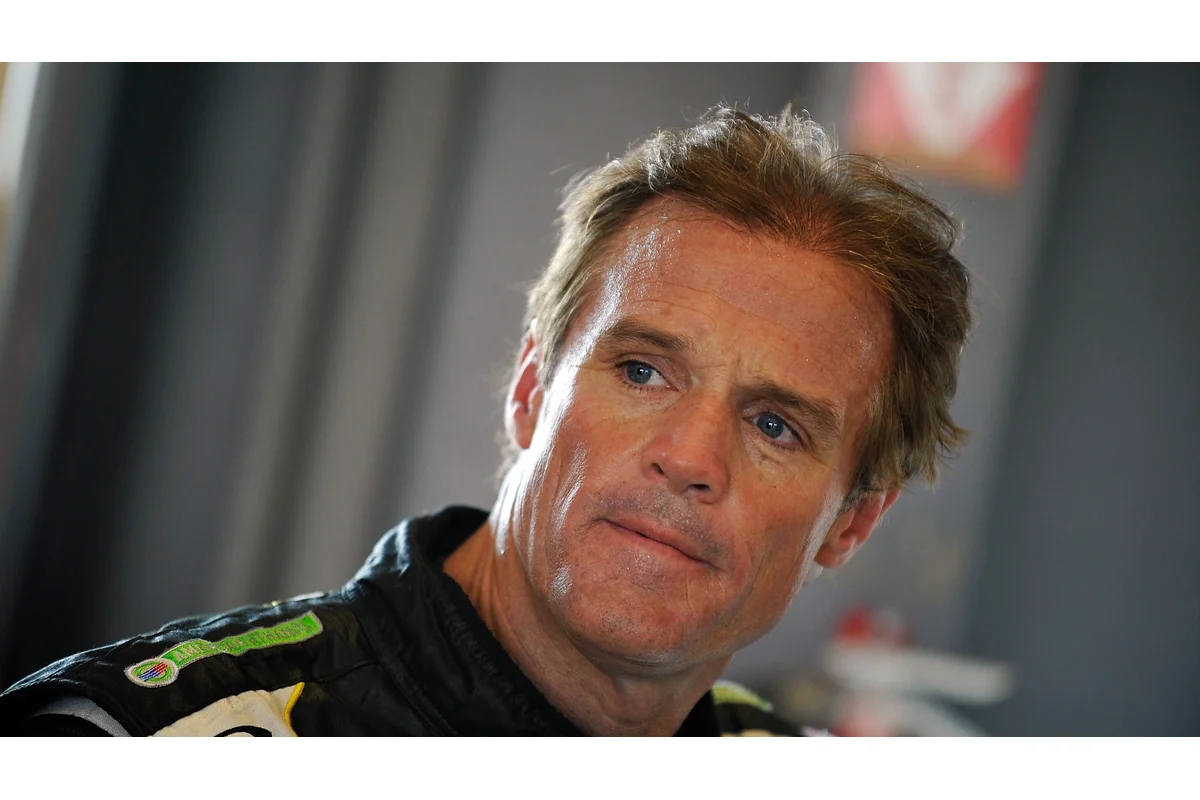
NASCAR has taken notable steps recently to rebuild its relationship with devoted fans after tensions rose from internal issues and negative remarks about respected figures. This new approach has attracted the attention of former driver Kenny Wallace, who voiced support for initiatives that acknowledge and respect the sport’s foundations, reflecting a thoughtful NASCAR fan reaction.
Internal messages made public during the antitrust lawsuit against NASCAR, involving teams like 23XI Racing and Front Row Motorsports, revealed senior officials had used derogatory language toward long-time team owner Richard Childress. These comments deeply resonated, especially with supporters who value NASCAR’s working-class and Southern heritage, leading to sharp responses from both fans and long-term industry partners such as those associated with Bass Pro Shops.
Efforts to Mend Relationships and Address Fan Concerns
Following the resolution of legal disputes, NASCAR has shifted public focus toward rebuilding trust, particularly with the core “redneck” fanbase that forms the foundation of stock car racing culture. This pivot is evident not only in official statements but also in efforts to reconnect with traditional themes and identities that define racing’s appeal.
Kenny Wallace has openly recognized these gestures and pointed to a new promotional campaign for the 2026 Daytona 500 as a genuine attempt to heal and move forward. According to Wallace, NASCAR enlisted external creative talent to realign its messaging, aiming for an authentic, old-school atmosphere that appeals to those who long for the sport’s storied past. He believes the result is a campaign that revives the energy and spirit many fans cherish.
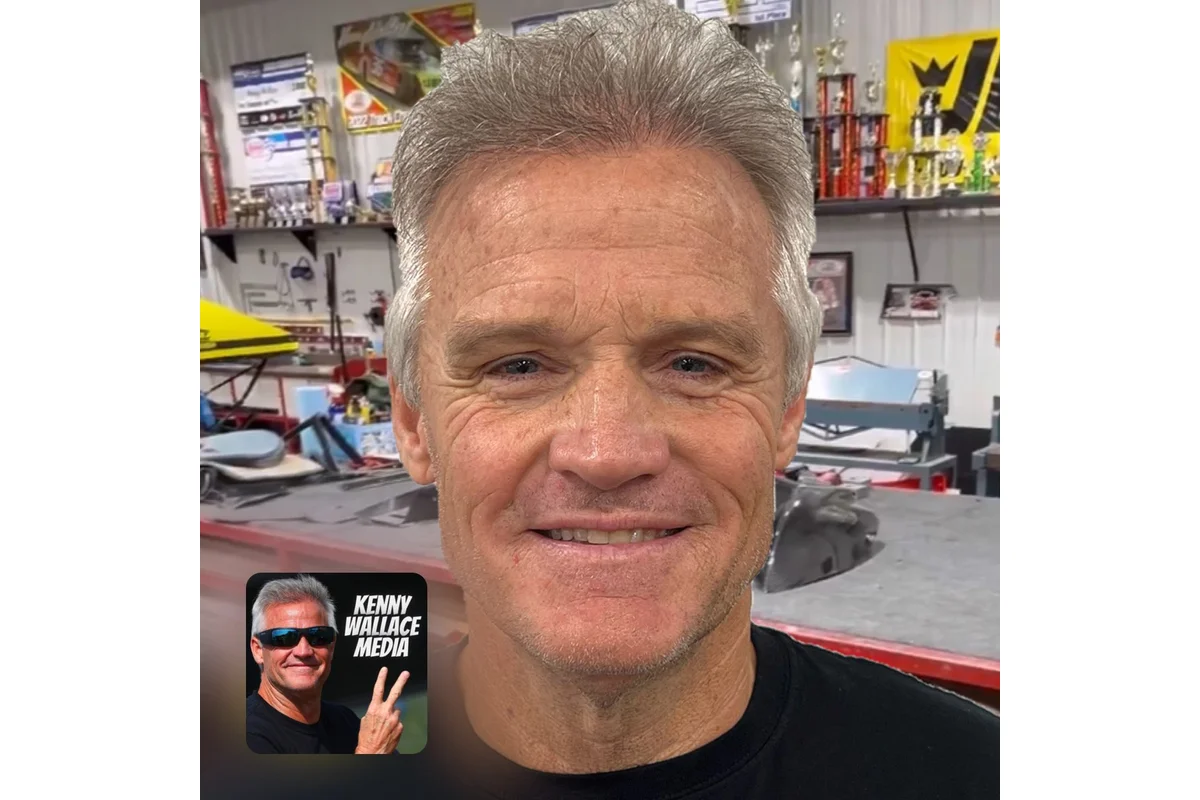
“I’d have told them what to do, how to get back in the good graces of all of us rednecks. I love it. So, do you like it that NASCAR is trying to apologize? I do. Do you still want to be mad at NASCAR? Do you want to be mad at them longer?”
— Kenny Wallace, Former Driver and NASCAR Personality
Wallace notes that, for longtime supporters, acknowledgment and genuine engagement are more meaningful than formal apologies. He remains watchful to see if NASCAR’s renewed appreciation for its origins will extend further, particularly in the imagery and language used in future campaigns. The gesture, in his eyes, is less about making amends and more about representing what matters to those who invest their passion in the sport.
A Nostalgic Look Back in the Daytona 500 Promotion
The recently unveiled commercial for the 2026 Daytona 500, released December 27, serves as a centerpiece of this effort. The ad unfolds in a bar setting where patrons share personal stories and memories about the race, celebrating key moments etched into event history. Highlighted scenes include Dale Earnhardt’s iconic 2001 Daytona 500 win and the memorable Thunderbirds flyover, all underscoring the legacy and impact of the nation’s most prominent stock car race.
Intentional choices were made in the campaign’s visuals, with NASCAR opting not to include any footage after 2016. Ongoing debates—such as those involving stage racing, the playoff system, and the introduction of the Next Gen car—may have influenced this decision, signaling a conscious effort to appeal to fan nostalgia and pride in past achievements.
“It’s history. It’s America.
It’s the #DAYTONA500. pic.twitter.com/RSawomoZi7
— NASCAR (@NASCAR) December 27, 2025
The campaign’s essence is captured in the sentiment, “It’s history. It’s America.” This framing is designed to connect with both established enthusiasts and newer viewers, reaffirming the Daytona 500’s place in American cultural memory.
Fan Response and Unanswered Questions
Kenny Wallace recounted a moment from the commercial where skepticism from a bar patron is met with a passionate defense from a fellow fan. This scene ends with Zane Smith offering a short but telling response, “I get what he’s saying,” which underscores the attempt to show understanding for the emotional connection fans hold.
For Wallace and many others, this scene represents NASCAR’s recognition of its loyal following and their expectations. The true impact of these outreach efforts and whether they will fully win back the most disaffected segments of its audience remain to be seen. However, the recent moves suggest that both NASCAR officials and the broader racing community understand that honoring tradition and respecting the community are crucial for the sport’s vitality and future relevance.
It's history. It's America.
It's the #DAYTONA500. pic.twitter.com/RSawomoZi7
— NASCAR (@NASCAR) December 27, 2025

