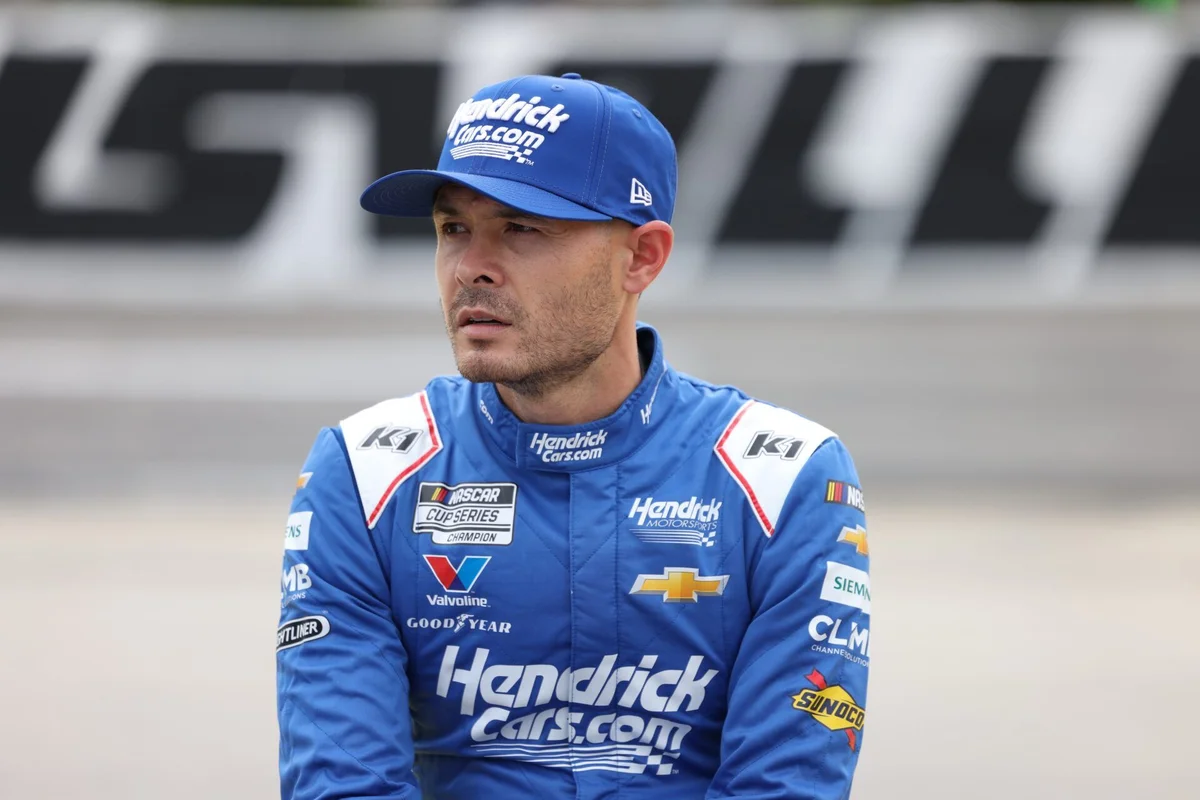
Shane van Gisbergen (SVG) has voiced strong concerns over the demanding Kyle Larson NASCAR schedule, describing the lengthy and packed calendar as excessive for drivers and the sport. His remarks join a chorus of voices from within NASCAR who believe that a more balanced approach is needed to protect participant well-being and keep fans invested throughout the year.
Growing Unease Among Drivers Over NASCAR’s Grueling Calendar
Kyle Larson has become known for pushing the boundaries of motorsport versatility, competing across NASCAR, dirt tracks, and even IndyCar whenever possible. However, the nearly year-long NASCAR schedule—spanning over 37 weeks with only minimal breaks—has drawn increasing scrutiny. Shane van Gisbergen, a respected Kiwi driver dabbling in various series, is publicly sharing his reluctance to embrace such a relentless workload. Speaking to SpeedCafe, he declared his aversion to the crowded race slate:
“Like we do 37–38 weeks, you know, our season goes on with the breaks and the Bowman Gray pre-race or preseason race. It’s hard, you know, and then the season finishes, and most other rally in New Zealand’s finished, Australia’s finished.”
– Shane van Gisbergen, Trackhouse Racing driver
Larson’s example is particularly striking. His 2025 year involved midweek dirt events, a notorious Double Duty attempt, and little downtime—a strategy that pushes physical and mental boundaries. While Larson thrives on this intensity, SVG is clear that he prefers to focus and excel within a more manageable schedule.
The stress isn’t isolated to race days for drivers like Larson and SVG. The demands ripple through the entire NASCAR ecosystem—the crews, mechanics, and even broadcasters are affected. Notably, broadcast professional Kaitlyn Vincie has highlighted the challenges faced by those off the track as well. As SVG and his peers point out, the exhaustion can be compounded by the regularity and length of the campaign.
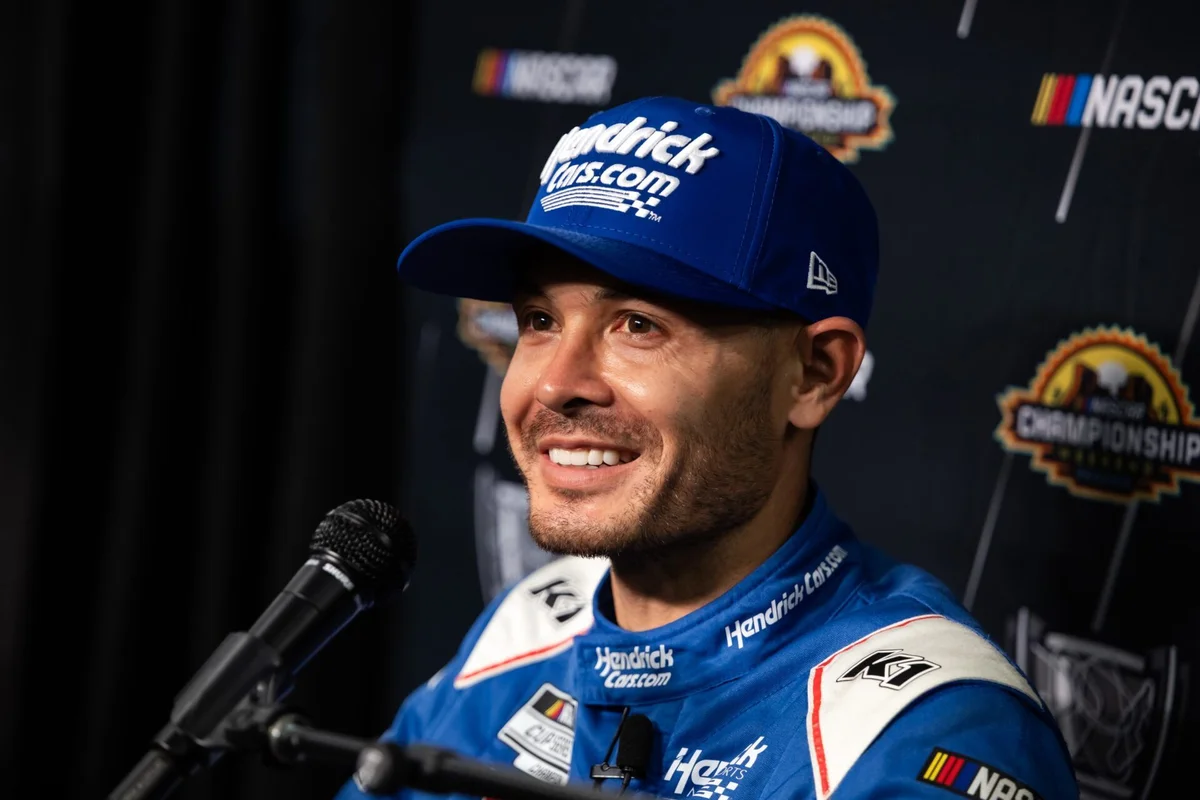
This sentiment is echoed beyond the drivers. Chase Elliott, a teammate of Larson, has remarked on the dullness that can set in outside of the high-stakes playoff window, noting a risk of burnout as both competitors and staff struggle to remain energized through the extensive schedule.
One driver reflected on how the demands pile up:
“Honestly, sometimes I have to laugh at my schedule and how many things I seem to put on my plate for no reason… the career is very demanding.”
– Unattributed racer
Calls for Change: Scheduling, Breaks, and Meaning
NASCAR attempted to address these pressures in 2026 by adding two scheduled off weeks—one following Martinsville and another in the gap between Indianapolis and Iowa. Yet, the consensus among competitors and fans suggests a preference for distributing more short breaks throughout the season, rather than concentrating them in only a few periods. The typical year sees drivers and teams at the track for 32 to 36 weekends—an immense ask under the current arrangement.
Advocates for reform argue that lessening the frequency of races or spacing out rest periods could help prevent burnout. SVG emphasized the value of finding balance, expressing interest in competing at home during the U.S. off-season:
“And then, yeah, hopefully next year, if Speedway’s kind of settled down in New Zealand, I’d love to go do some races there,”
– Shane van Gisbergen, Trackhouse Racing driver
He added,
“Because it’s pretty shut down here in America this time of year, the winters are harsh, and I’d love to get home and spend more time in summer would be good.”
– Shane van Gisbergen, Trackhouse Racing driver
The cumulative toll is further illustrated by Kyle Larson’s own off-season setbacks, such as his unexpected financial loss at Perth Motorplex. Nonetheless, he demonstrates remarkable resilience, already setting his sights on major events like the upcoming Chili Bowl. Each extra activity adds to an already overwhelming load, offering little relief even as new opportunities arise for drivers willing to experiment or diversify their racing portfolios.
NASCAR’s Marathon Format Faces Mounting Backlash
The NASCAR Cup Series’ operational structure is akin to an endurance trial, with nearly three-quarters of the calendar occupied by race weekends, travel, and preparation. The quest for championship points and playoff berths means that both racers and support staff are under sustained pressure for most of the year. As SVG and other prominent drivers reiterate, this unyielding tempo leaves minimal room for recuperation, innovation, or even continued enthusiasm.
The fan perspective is equally important. Crowded schedules risk making individual races less significant, as the drama and excitement of the playoffs overshadow months of preliminary events. Some worry that this “quantity over quality” approach could ultimately reduce engagement, turning passionate viewers into sporadic followers as the novelty fades.
Despite the well-intentioned addition of two off weeks, the core problem persists. Many—including those behind the wheel and others in the paddock—are calling for smarter scheduling, with a vision for fewer but more meaningful races, ensuring that each event commands full attention and maintains the competitive spirit without leading to burnout.
SVG’s Determination to Improve and Adapt on Ovals
For Shane van Gisbergen, the 2025 season was a tale of adaptation. His initial struggles on oval tracks saw him finish outside the top tier, but as the year progressed, he learned to manage the unique challenges of the NASCAR Cup Series. He highlighted the critical phase following playoff elimination—free from championship pressure, the Trackhouse Racing team experimented with setups, resulting in breakthrough top-10 finishes at venues like Kansas and New Hampshire:
“I didn’t do a good enough job, and that’s the pressure of the playoffs,”
– Shane van Gisbergen, Trackhouse Racing driver
“I didn’t drive well enough, and yeah, as soon as the playoffs ended, the very next week, we tried some different setups, thinking that, ‘Oh, we’re out of the playoffs. We’ll take some risk with some cars.’”
– Shane van Gisbergen, Trackhouse Racing driver
This willingness to innovate paid off quickly. SVG’s performances improved, showing newfound competitiveness even on circuits that had previously challenged him. After qualifying well at New Hampshire and earning a stage one top-10, followed by a 10th-place at Kansas and a strong showing in Las Vegas, SVG proved that perseverance and strategic adjustments could make a substantial difference.
Looking ahead to the 2026 campaign, SVG is prepared to continue building on this momentum. While he may be reluctant to embrace the extreme all-in approach embodied by Kyle Larson’s NASCAR schedule, SVG is committed to solidifying his skill set on American ovals—turning a former weakness into a foundation for future success.
Looking Forward: What Changes Could Mean for NASCAR
The debate sparked by SVG’s critique and Larson’s relentless drive brings needed focus to an evolving challenge for NASCAR and motorsports at large. With a new generation of drivers and fans voicing their concerns, the organization may be forced to reconsider how it structures its season and supports the health of everyone involved.
If NASCAR heeds the call to rebalance the schedule, the likely outcome would be more rested, motivated drivers, improved competitive action, and enhanced viewer engagement. Conversely, maintaining the status quo may risk longstanding talent, staff well-being, and fan enthusiasm.
The 2026 season is set to begin amid ongoing discussions and differing philosophies. As Kyle Larson continues to push his limits and SVG seeks a sustainable path, industry figures and policymakers will no doubt be watching closely. Their experiences and results could help drive meaningful change, ensuring that the spirit of motorsport endures alongside the demands of a modern era.