

Dale Earnhardt Jr. NASCAR retirement marked a significant shift from the path of his legendary father, Dale Earnhardt Sr. When Earnhardt Sr. died in a tragic crash while leading the Daytona 500 in 2001 at the age of 49, he was still actively competing at the top level. In contrast, Dale Earnhardt Jr. made the decision to step away from full-time NASCAR Cup Series racing after the 2017 season, retiring at age 42 due to challenges his father never faced—namely, serious health concerns related to concussions.
Even as his career continued successfully, Dale Jr. was candid about his intentions long before he officially retired. The effects of injuries—particularly persistent concussion symptoms—forced him to reevaluate his priorities. After missing much of the 2016 season because of these issues, he placed his long-term health first, ultimately concluding that it was time to leave the sport while he could still control the narrative of his own exit.
Signs of Retirement Emerged Before the Final Crash
Dale Jr.’s transition away from racing wasn’t a snap decision brought on by a single incident. Months before his crash at Michigan International Speedway in June 2016 effectively sidelined him, he had been openly reflecting on his future in NASCAR. During a discussion that same month with Frontstretch, Earnhardt Jr. was asked whether he would continue his career beyond the end of his existing Hendrick Motorsports contract, which expired following the 2017 season. At that point, he still had some interest in staying, but indicated that he hadn’t started any negotiations yet.
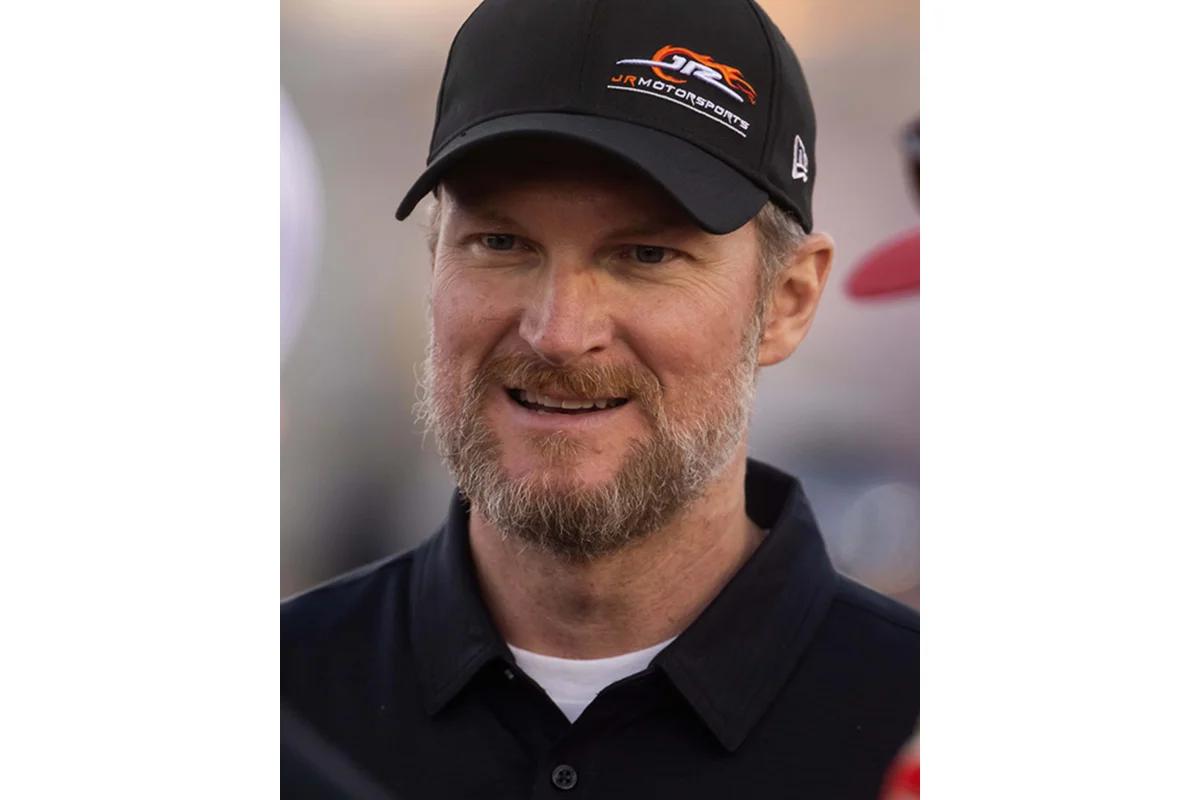
He addressed the length of his future in racing with a notable statement:
“We will see if that lines up with what I want to do. I don’t think I will race as long as my dad did, but I have been having a lot of fun over the past couple of years.”
This comment quietly foreshadowed his eventual decision. While he continued enjoying competition, Dale Jr. was aware that stepping away from such a high-profile role wouldn’t be simple, given his status and influence in the sport. The complexities of continuing in NASCAR, especially while balancing personal health priorities and the direction of his team, became even more apparent as he weighed the future.
The Influence of Team and Legacy on His Retirement Decision
While Dale Earnhardt Jr. had a unique perspective on his career, he was also conscious of his place within Hendrick Motorsports—a team under the guidance of Rick Hendrick. The direction of the organization, the demands of a new contract, and the larger team ambitions all played a role as Earnhardt Jr. considered extending his stint in NASCAR.
By March 2017, after recovery from his latest health setbacks, Earnhardt Jr. reported improved well-being. Hendrick Motorsports approached him about a possible contract renewal, showing willingness to keep him in the car. However, he needed to evaluate what another year of racing would demand both physically and mentally, especially in light of previous injuries that sometimes took longer to recover from than expected. Ultimately, he decided that the wisest course was to step away from full-time competition while he still had control over his own future.
Legacy, Achievement, and Fulfilling His Own Expectations
Dale Earnhardt Jr. never captured a NASCAR Cup Series championship, a major milestone he chased throughout his career. Still, he looked back on his time in racing as deeply rewarding. The son of Dale Earnhardt Sr. faced immense expectations while developing his own reputation separate from his famous father. Overcoming that immense pressure and forging his own path gave him a sense of accomplishment that went beyond trophies.
His quiet prediction in 2016 became reality: rather than racing into his late forties as his father did, Dale Earnhardt Jr. retired at 42, prioritizing his well-being and future, and leaving a different but equally significant mark on NASCAR history.

