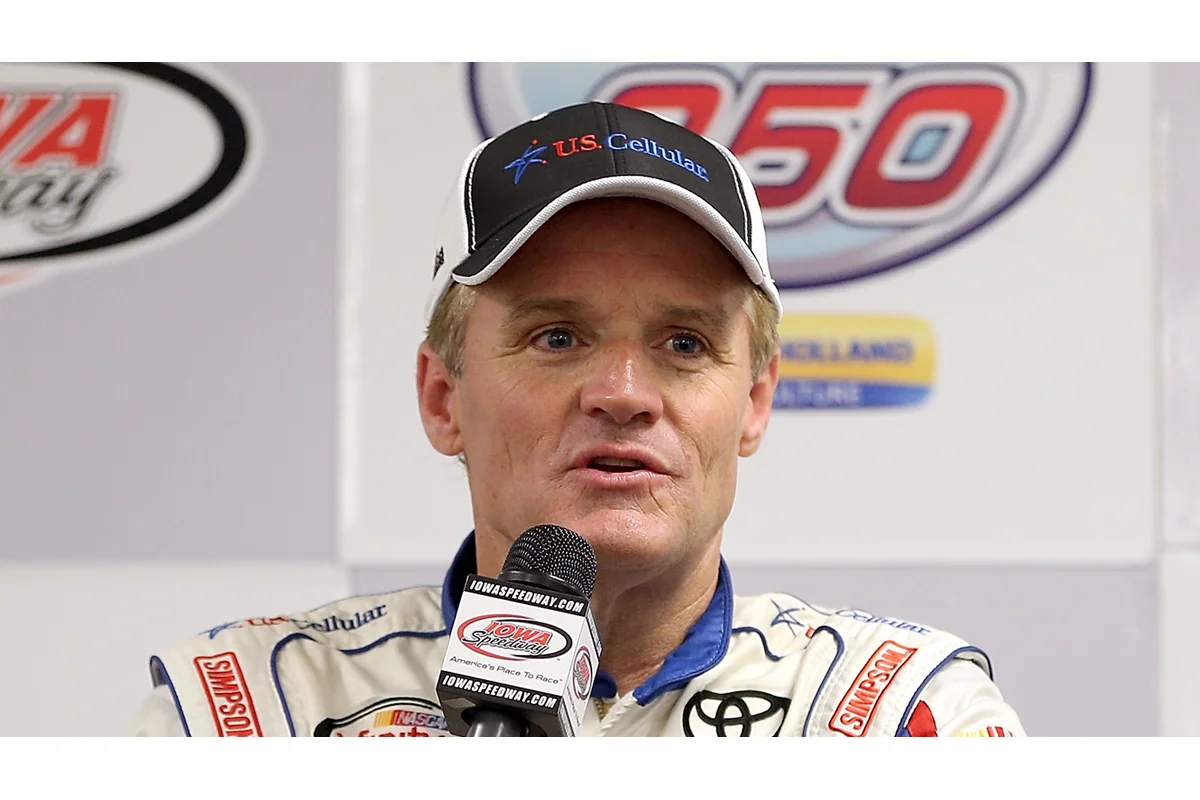
Kenny Wallace, a seasoned NASCAR driver, is calling for significant changes to the sport’s Victory Lane celebrations, arguing that returning to older traditions could strengthen the bond with fans and potentially increase television ratings. Wallace’s focus on fan engagement comes as part of his broader ideas about enhancing the live racing experience and making each event more meaningful.
Why Wallace Says Modern Victory Lane Is Falling Short
Wallace has recently shifted his attention to the way NASCAR currently handles Victory Lane, expressing concern that the spectacle has grown distant from its audience. In his view, instead of being a shared celebration, Victory Lane has become an exclusive space, with the focus primarily on the race winner, crew, ownership, and corporate interests. Wallace contends that this sanitized approach dilutes the compelling moments that historically kept fans emotionally invested after a race ended.
He feels that the key human element—the driver’s family—has been sidelined in today’s presentations. Reflecting on past years, Wallace highlighted an era when the cameras would linger after a win, capturing intimate glimpses of wives, children, and other family members joining in the celebrations. Those details, he says, gave fans a reason to remain glued to their screens long after the checkered flag was waved.
Recapturing the Magic of Classic NASCAR Post-Race Scenes
To illustrate his point, Wallace recalled moments when Dale Earnhardt Sr. claimed victory and TV audiences would see candid family interactions—like a young Dale Earnhardt Jr. in the winner’s circle. Such unscripted glimpses, according to Wallace, made for lasting memories and helped Victory Lane become a signature aspect of NASCAR culture. By contrast, he argues that today’s fans rarely get to witness these authentic moments that connect viewers to the people behind the wheel.
As Wallace described it,
“We’ll go to commercial break after the race is over. You come back, the car’s in victory lane, and there’s everybody… There’s the driver, there’s the crew chief, there’s the owner, there’s the wife, there’s the kids. That’s the way it needs to be because right now we’re missing out.”
– Kenny Wallace, Veteran Driver
Details Matter: The Audience’s Desire for Authentic Connection
Wallace also pointed out that today’s fans crave more context than just the competition itself. As he sees it, audiences naturally look for subtle, human details in photos and broadcasts—they want to spot the driver’s spouse, notice family members’ attire, and observe how everyone shares in the celebration. The presence of wives, kids, and even sponsors once offered layers of storytelling that fans could relate to and discuss. Wallace believes bringing back these elements would inspire viewers to connect and share the excitement well after the engines fall silent.
He advocated for Victory Lane to feel crowded, lively, and emotionally rich, emphasizing the power of including family members, team figures, and sponsors all together. Citing the influence of legendary broadcasters like Brent Musburger, Wallace reminisced about how viewers were guided live through these scenes, meeting the children, spouse, crew chief, and owners, each adding to the energy of the moment.
Wallace’s Vision for the Future of NASCAR Celebrations
Admitting that modern Victory Lane presentations are not entirely without merit, Wallace still believes they fall short of the engaging stories once told in the aftermath of each race. He feels that the current format lacks the structure and familiarity that used to give fans a reason to keep watching. By restoring a sense of order and inviting personality back into the winner’s circle, Wallace argues that NASCAR can rekindle its connection with viewers and make Kenny Wallace Victory Lane moments iconic once again.
If Wallace’s vision is realized, future post-race celebrations could see families, sponsors, and key team members front and center, giving fans a living tableau that encourages emotional investment well beyond the finish line. The return to these traditions, he asserts, could go a long way toward increasing grandstand attendance and reviving television ratings for the sport.