
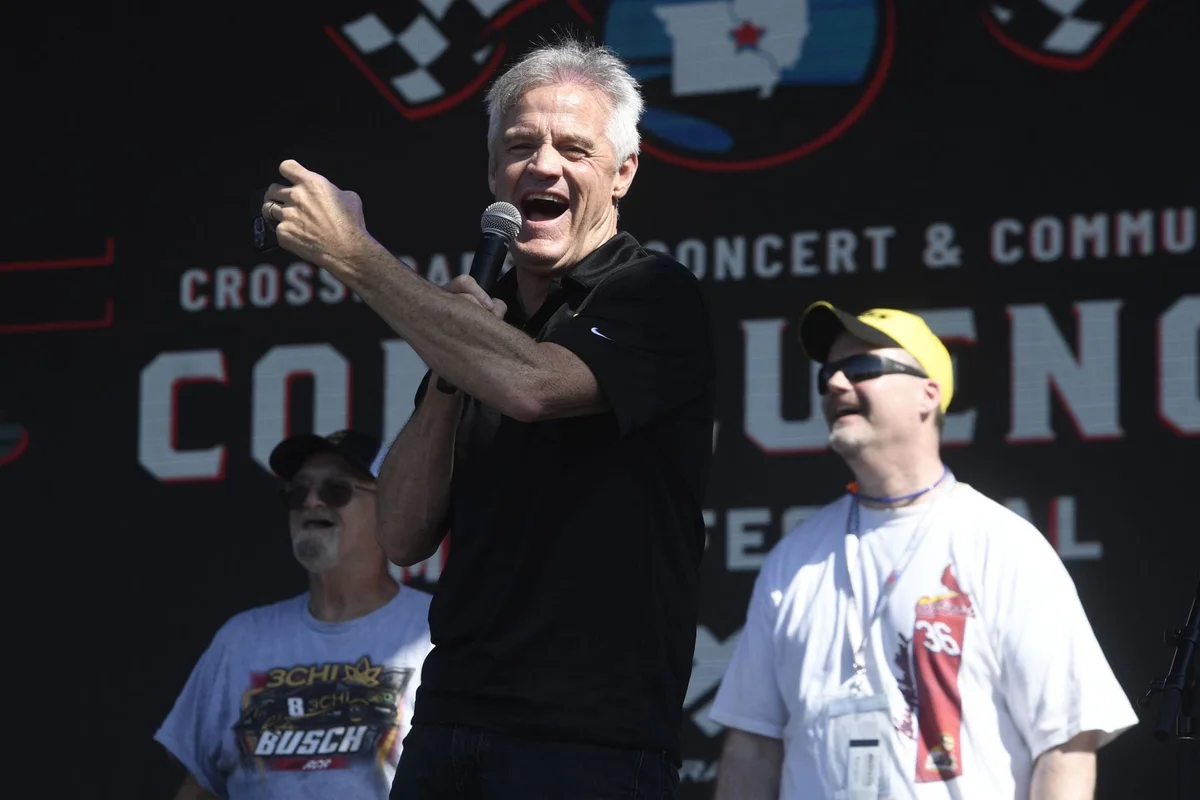
Kenny Wallace, a former NASCAR driver and commentator, has voiced strong criticism of how post-race interviews are conducted in today’s NASCAR, saying the experience has lost its team-oriented celebration. Wallace’s remarks come as many fans are growing frustrated with the shift away from traditional victory lane moments, making Kenny Wallace NASCAR interview criticism a topic of debate among longtime supporters.
Wallace’s Views on the Changing Interview Setting
For generations, post-race interviews in NASCAR were held in victory lane, a place symbolic of shared triumph, where the winning driver celebrated the accomplishment surrounded by the crew chief, pit crew, engineers, sponsors, and family members. Kenny Wallace pointed out that, in recent years, this tradition has faded, replaced by solitary interviews held immediately after the race concludes, often on the frontstretch in front of spectators and cameras.
This change has changed the atmosphere of the interviews from a communal celebration to what many see as an isolated, almost sterile exchange. Wallace conveyed his reasoning directly on X (formerly Twitter), responding to a fan with:
“Yes 💯. I like the @NASCAR Victory Lane TV interviews IN Victory Lane. Because it shows all the people involved. The driver out on the Frontstretch is on an island by himself”
According to Wallace, frontstretch interviews fail to convey the collective nature of NASCAR teams. Instead, they turn what is a group achievement into a lone driver’s narrative, which, for devoted fans, feels less genuine and less emotionally resonant. The tradition of including every member—from driver to crew chief and even the engineers—added layers of emotion and meaning, now missing in the current format.
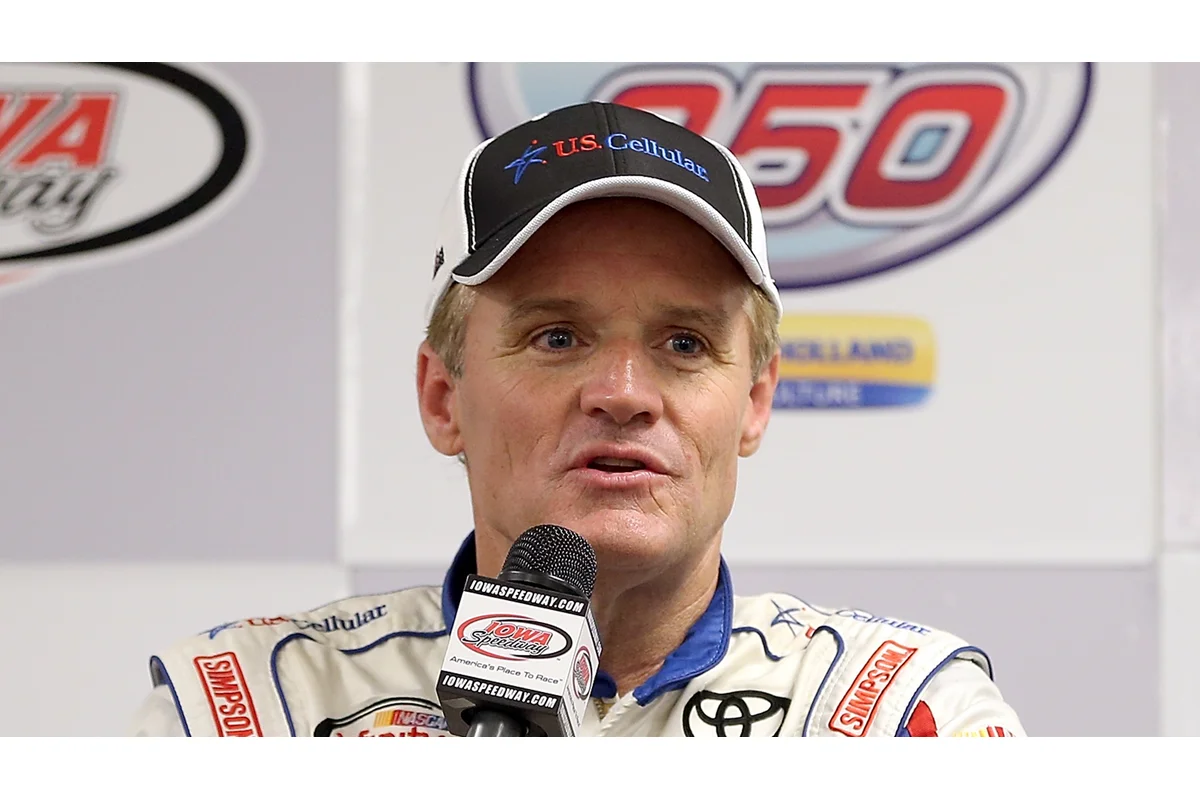
Kenny Wallace Rebukes NASCAR and Tracks for Becoming Less Fan-Friendly and More Costly
On his show Coffee with Kenny, Wallace did not limit his criticism to just interviews. He expanded his critique to how NASCAR tracks and the organization itself have, in his view, alienated core groups of their supporters. He singled out the practice of selling only bundled multi-day tickets, instead of letting fans purchase single-day passes—especially for those following grassroots and dirt racing.
Wallace’s comments highlighted how this shift in ticket sales has priced out longtime fans who could previously attend just the main Sunday race, making the sport less accessible to many. He explained his viewpoint in detail during his program:
“They got greedy. They were so big that they would say, ‘Okay, you’ve got to buy one ticket for everything—you’ve got to show up Friday, Saturday, and Sunday.’ And the dirt racing fans are like, ‘Man, we just want to show up on Sunday.’ Some of the tracks were guilty of saying, ‘No, you’ve got to buy the Truck ticket on Friday, you’ve got to buy the Xfinity ticket on Saturday, and you’ve got to buy the Cup ticket on Sunday,’ and they just priced everybody out. So I’m going to end like this.”
His remarks resonated with fans who felt betrayed by what they see as a growing commercialization and a departure from the sport’s accessible roots. For dirt racing fans, the focus on bundled experiences versus affordable options marked a clear and unwelcome change in NASCAR’s relationship with attendees.
Looking Forward: New Season, Old Tensions
The 2026 NASCAR Cup Series is scheduled to begin with the Cook Out Clash exhibition event at Bowman Gray Stadium on February 1 and will close with the championship race at Homestead–Miami on November 8. As the upcoming season approaches, discussions about event accessibility, the sincerity of broadcast interviews, and inclusivity for team members are likely to continue. Kenny Wallace’s critiques reflect broader questions among the NASCAR community about preserving the team’s spirit and the sport’s connection with its fans, as modern formats reshape long-standing traditions.

