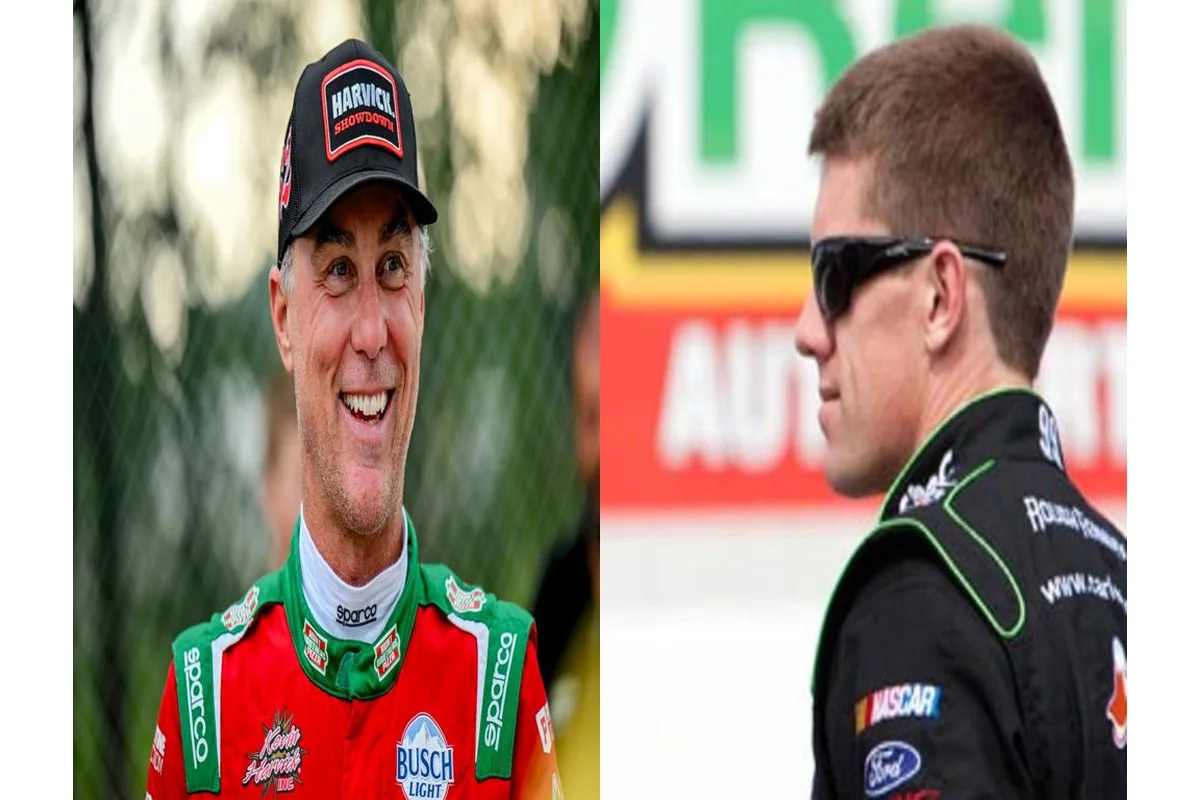
Kevin Harvick saves Ron Hornaday Jr. from a life-threatening health crisis by recognizing his deteriorating condition and intervening with crucial support and resources. This defining moment in NASCAR history took place during Hornaday’s racing career in the 2000s, highlighting the strength of their friendship both on and off the track.
How a Close Friendship Steered Away Disaster
Ron Hornaday Jr., a celebrated figure in NASCAR and four-time Truck Series champion, was widely known among fans for his numerous ‘Most Popular Driver’ awards. Yet, behind the accolades, a life-threatening story unfolded during his time in the Truck Series that remained largely unknown for years. Hornaday’s health began to decline rapidly; he lost a dramatic amount of weight within a very short period, puzzling his doctors and alarming those who knew him well.
Harvick, whose close relationship with Hornaday extended beyond motorsport, noticed his friend’s dire state. Realizing the severity, Harvick insisted that Hornaday consult his own trusted doctor, seeking answers that had eluded previous attempts at diagnosis. This decision proved to be pivotal.
The Medical Crisis and Harvick’s Critical Intervention
As Hornaday revealed publicly, the intervention led to a startling discovery. Harvick’s doctor quickly identified the underlying issue, a diagnosis attributed to the persistence of the NASCAR driver community and, most notably, Harvick himself.
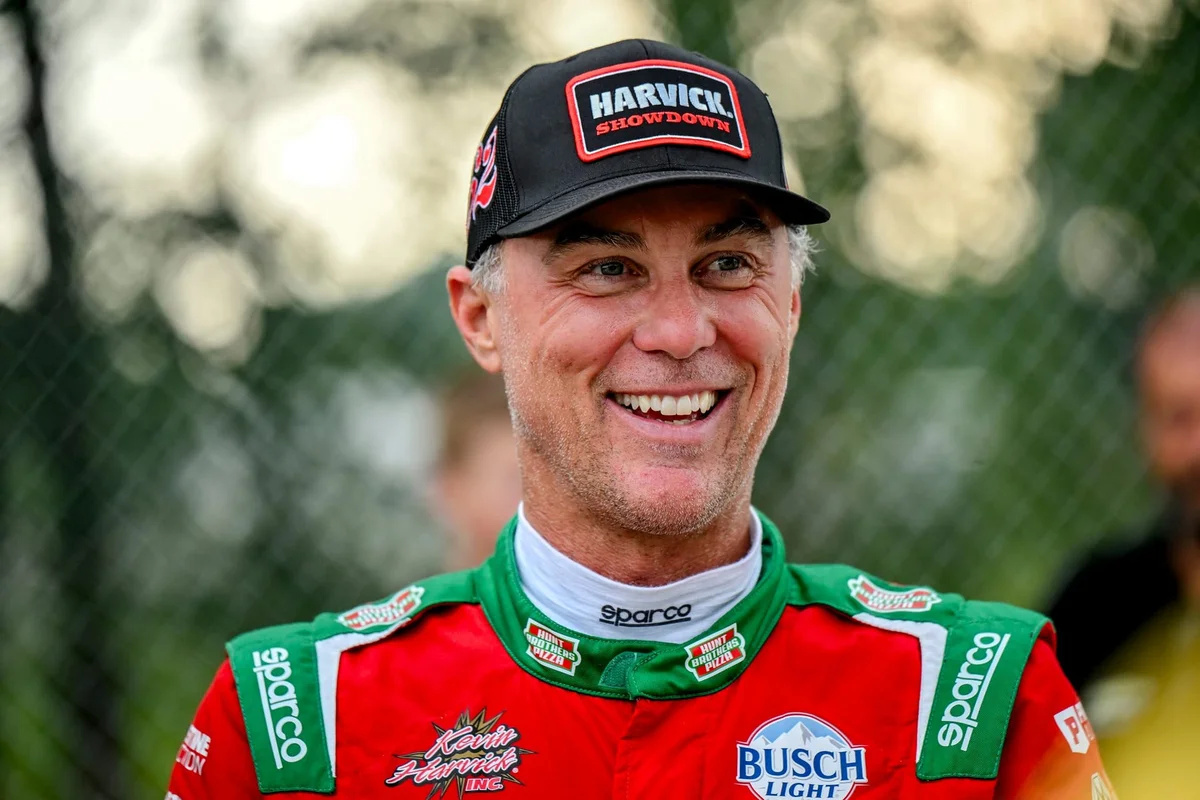
“I knew something was wrong…Crulley takes me to the hospital. I said, ‘Gene, I already went through all this.’ He said, ‘No, this is Kevin’s doc. Kevin wants you to see this guy.’ The doc grabs my hair and says, ‘You got Graves’ disease.’ My wife, Lindy, is talking to him. She says, ‘Okay, what do we do? You’ve got two more months left to race and all the stuff.’ He says, ‘No, he will be dead by then…’”
— Ron Hornaday Jr.
The diagnosis of Graves’ disease, a serious autoimmune condition, came after Hornaday’s weight dropped dangerously from 200 pounds to 130 pounds in less than three months. Standard attempts at treatment, like dietary changes and extensive medical testing, had failed to reveal the issue. As he described, his doctor tried everything but couldn’t pinpoint the cause:
“up the butt, down the throat, CAT scans. He can’t find anything.”
— Ron Hornaday Jr.
Harvick’s insistence and his doctor’s expertise provided clarity and led to immediate action. With proper medication—specifically Synthroid—Hornaday’s life was saved, but the episode was not without further complications and moments of humor in the midst of adversity. Hornaday recalled lightheartedly that his wife used to joke about his neck glowing at bedtime, calling him a “nightlamp.”
Synthroid, Stigma, and a Second Crisis
The recovery process brought its own complications. Synthroid, while a required medication, was both costly and misunderstood by many outside of Hornaday’s immediate circle. A reporter learned of his use of Synthroid and threatened to expose him for supposed “steroid use,” putting Hornaday’s career at risk. In this stressful situation, Hornaday once again turned to Harvick for support. The seriousness of the moment placed both Hornaday and Harvick in the spotlight, forcing them to confront both medical and reputational threats.
“Well, he basically tried to get me fired. So here I had to call Kevin, and luckily, Kevin’s at a function with all the bigwigs at NASCAR, and explain the story. They said, ‘Well, bring all your paperwork, all your hospital stuff…’”
— Ron Hornaday Jr.
Harvick’s quick intervention ensured NASCAR officials thoroughly reviewed Hornaday’s medical records. This prevented any punitive action and demonstrated the value of clear communication between drivers, officials, and the larger racing community. The camaraderie among racers such as Bobby Labonte and Carl Edwards also played a vital role, reinforcing a supportive network throughout the ordeal.
“I do appreciate that not only Kevin, but the entire series was like, hey, it’s the medical thing going on.”
— Ron Hornaday Jr.
The incident culminated in a press conference during which the dubious reporter tried to press allegations against Hornaday. However, after reviewing the detailed medical documentation and the thorough explanation from Hornaday and Harvick, NASCAR leaders dismissed the reporter’s claims and removed him from the event.
Legacy of Support and Trust Within NASCAR
Ron Hornaday Jr.’s experience illustrates the extraordinary lengths teammates and friends go to in the high-stakes world of racing. Kevin Harvick’s actions saved a friend’s life and reaffirmed that trust, vigilance, and a willingness to act can make the difference during critical times. The incident highlights not just the intensity of the sport but the strong bonds forged off the track.
This story continues to resonate within the NASCAR community, reminding fans and fellow drivers alike of the lasting impact trust and friendship have—even beyond the checkered flag. For Hornaday and Harvick, the ordeal became a defining chapter in their shared legacy, one marked by loyalty, intervention at crucial moments, and the unbreakable bond between competitors and friends.