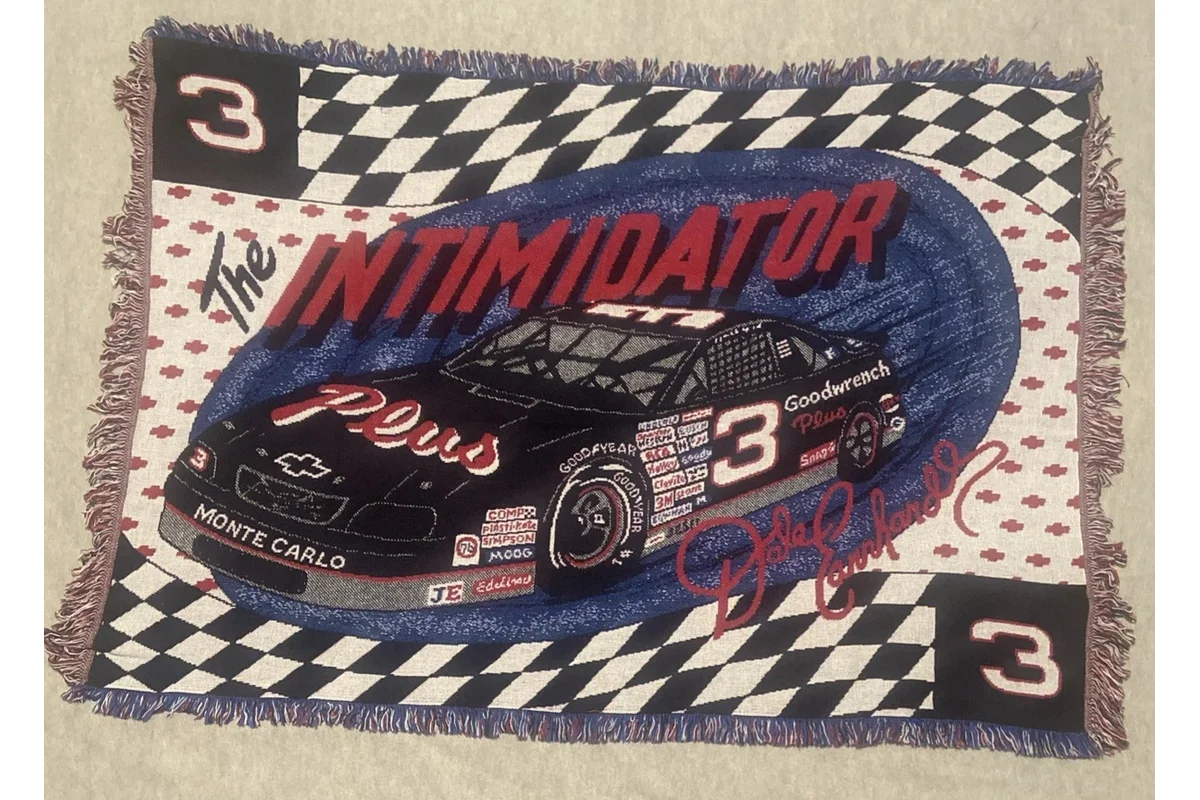
Dale Earnhardt Sr. NASCAR legacy has left an indelible mark on stock car racing, but its impact goes beyond championships and checkered flags. In a revealing look back, NASCAR Truck Series legend Ron Hornaday Jr. has shared how a pivotal, emotional conversation with Earnhardt around the year 2000 ended his tenure with DEI and forever changed the course of his career.
After years of high-profile driver changes in NASCAR, few moments resonate as intensely as Hornaday’s unexpected departure from the Dale Earnhardt Inc. Truck Series program. Coming off a dominant four-year run with the organization from 1995 to 1999, Hornaday found success with 25 race victories and 57 top-five finishes, consistently finishing no lower than seventh in the championship standings. Yet, despite these accomplishments, a private call with the “Intimidator” would soon force an abrupt transition.
An Unexpected Career Crossroads for Ron Hornaday Jr.
In a recent episode of the “Dinner With Racers” podcast, Ron Hornaday Jr. provided a rare glimpse into the professional and personal challenges of his split from Earnhardt’s team. The catalyst came at a time when DEI was undergoing major changes, redirecting its resources and sponsorship focus away from the Truck and Busch Series to concentrate elsewhere within NASCAR.
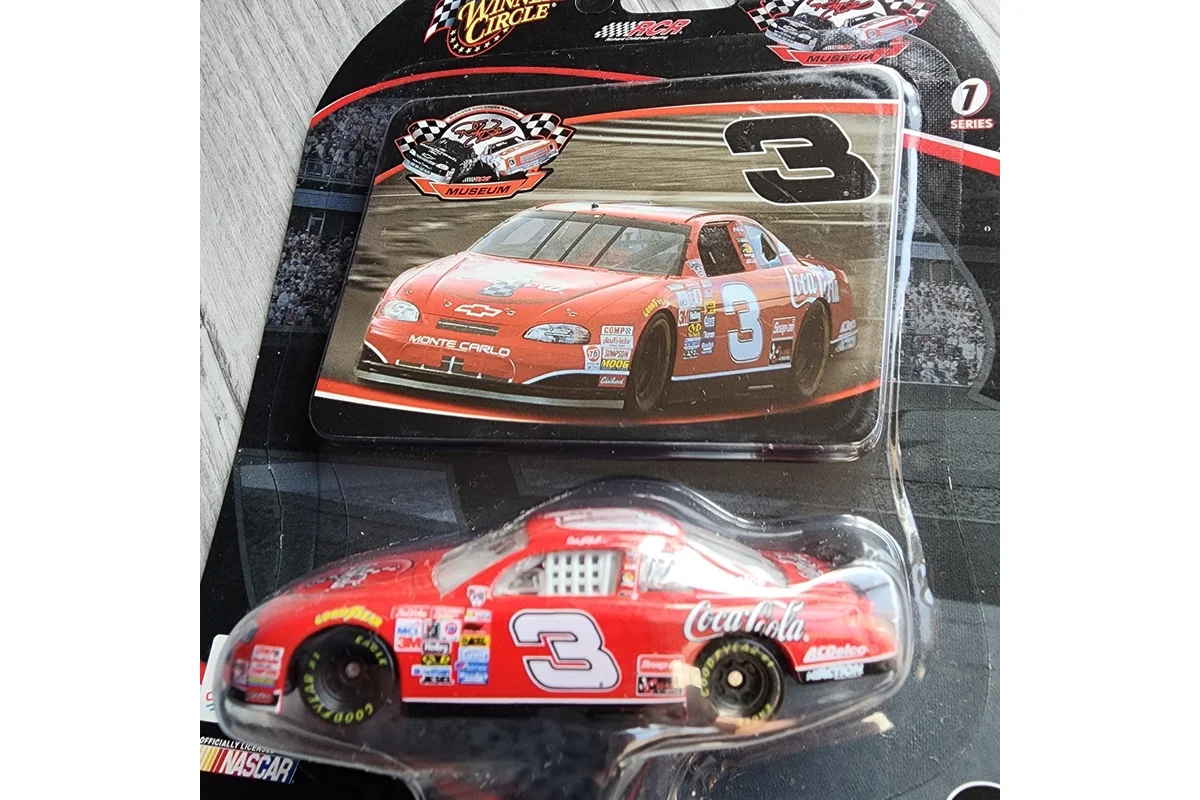
Recalling the moment with striking emotion, Hornaday shared the essence of his pivotal conversation:
“So at that time, Dale called me, right? He said, ‘Take a deep breath, calm down, come back and talk to me, OK? Hey, we can make this easy or make it hard. We’re going a different direction with a sponsor, and you don’t fit the profile of what they need.”
— Dale Earnhardt Sr., Team Owner, via Ron Hornaday Jr.
The end of Hornaday’s run at DEI was not the result of public drama or open conflict. Instead, it was rooted in the shifting business priorities of Dale Earnhardt Sr. and his organization. Around the year 2000, DEI appointed Michael Waltrip to Hornaday’s Busch Series seat, signaling a new chapter and reflecting a sponsor-driven change. Despite lacking a traditional firing, the effect was just as dramatic for Hornaday.
Behind the Scenes of a Difficult Exit
For Hornaday Jr., who was deeply invested in the success and identity of DEI’s Truck Series team, the news was hard to accept. As he told podcast listeners, the emotional fallout was immediate and intense.
“So Ty Norris took me out there, and I’m punching walls down… So he said sit down and hang out … I went downstairs, got in the truck, just did a burnout. I stop in the front, I call my wife and say,
“Honey, I just got fired from Dale, but I got his truck. Do I leave his truck here?”
— Ron Hornaday Jr.
This behind-the-scenes glimpse exposes the human side of racing—a world typically dominated by statistics and race results. Hornaday’s attachment to the team and his respect for Earnhardt created a sense of loss, but also sparked motivation that would fuel the remainder of his record-setting career.
Building a Legacy Amidst Change
Despite the abrupt ending, Hornaday’s years with DEI cemented his legacy in the NASCAR Truck Series. His standout performances delivered two Craftsman Truck Series championships in 1996 and 1998, marking him as the series’ benchmark during that era. The skills, mentality, and professionalism instilled by Earnhardt would carry Hornaday to further greatness, earning him four Truck Series championships by the end of his career.
Even after his departure, Hornaday credits much of his enduring success to the support and expectations set by leaders like Earnhardt. The environment cultivated at DEI combined intensity, loyalty, and a constant drive for excellence—values that Hornaday carried into subsequent roles. Notably, the transition to Michael Waltrip as his successor reflected the new commercial realities facing many top NASCAR teams at the millennium’s turn, showcasing how sponsorship and brand image increasingly shaped personnel decisions.
Dale Earnhardt Sr.’s Intensity as a Team Owner
Within the paddock and among fans, Dale Earnhardt Sr.’s persona is legendary for its fierce competitiveness and imposing presence. Hornaday’s recollections shine a light on how this intensity extended deeply into his role as both leader and mentor.
“The good thing about it, he didn’t have to say a word. It’s his demeanor, his look, and stuff like that. The best one is when Earnhardt hired me, and I went Busch racing a couple here and there,”
— Ron Hornaday Jr.
Earnhardt’s relationship with Hornaday first took root in 1994, when the seven-time Winston Cup champion spotted Hornaday’s talent during a Winter Heat Series event in Tucson, Arizona. Recognizing his potential, Earnhardt swiftly offered Hornaday the chance to lead his new Truck Series team. Under Earnhardt’s mentorship, Hornaday flourished—not just as a driver, but as a consummate competitor shaped by DEI’s hard-driving culture.
Beyond Earnhardt, Hornaday credited a host of legendary team owners for influencing his success.
“I’ve been very fortunate to drive for some good people. Mr. H, I drove for Richard Childress, I drove for AJ Foyt, drove for Earnhardt, Kevin Harvick. I never had to make an excuse, ’cause they all drove, they’ve all seen it. So it made my job easy. If I screw up, make sure their money by fixing it,”
— Ron Hornaday Jr.
This attitude, learned from the likes of AJ Foyt, Richard Childress, and Kevin Harvick as well, helped Hornaday maintain accountability and professionalism after his time with DEI. He never shied from his mistakes and found motivation in living up to the standards set by owners who had themselves been competitive drivers.
Long-Term Impact of Earnhardt’s Leadership
Dale Earnhardt Sr. NASCAR legacy is interwoven not just through his own records but also through the drivers whose careers and work ethic he shaped. Ron Hornaday Jr.’s story reveals how strong leadership, even when it leads to difficult moments, can ultimately inspire greatness and personal growth. The firing that once felt like a devastating blow became a defining fork in the road, sending Hornaday on to further triumphs and etching his name among the most decorated champions in Truck Series history.
As NASCAR continues to evolve, Earnhardt’s approach as both driver and team owner remains influential, reminding new generations that genuine mentorship and demanding standards often yield lasting results, both on and off the track.