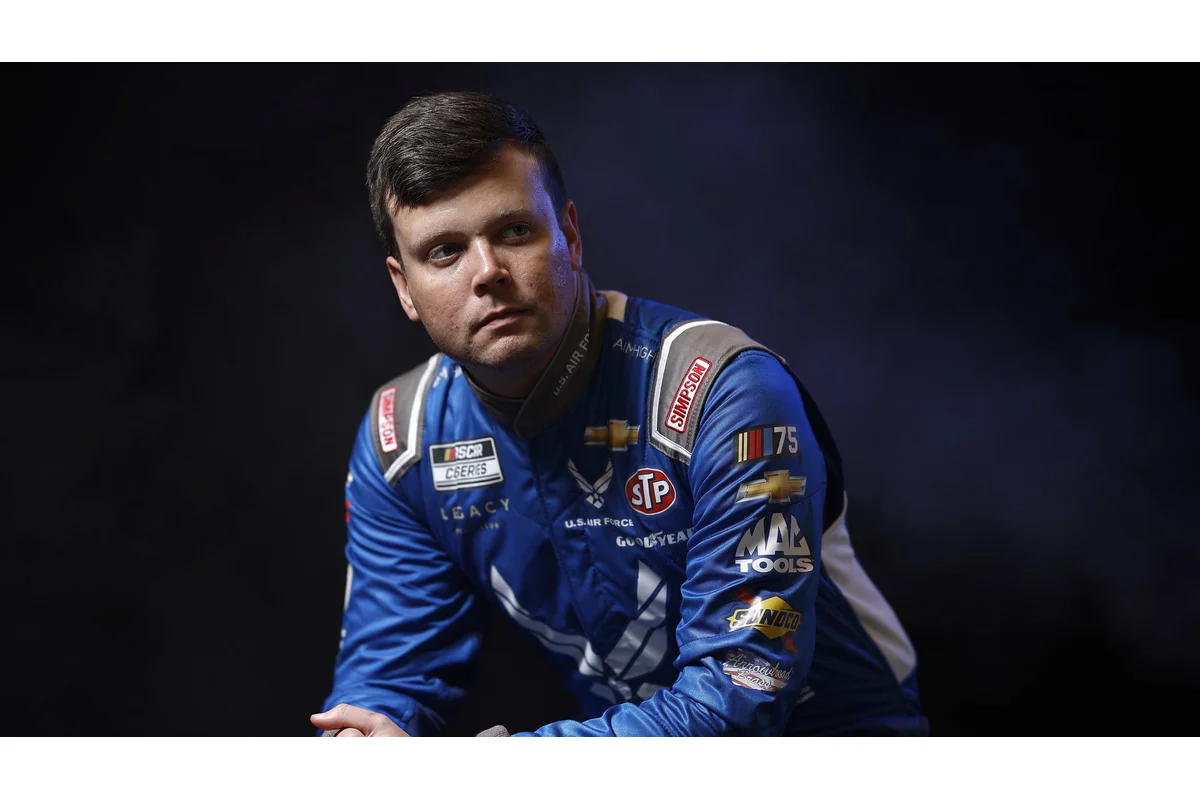
Mark Martin, an iconic figure in American stock car racing, is sounding the alarm for NASCAR after losing one of the sport’s most gifted leaders—a NASCAR team crew chief whose departure could change the competitive landscape. Martin’s recent reflections reveal not just nostalgia but a sharp warning about the irreplaceable blend of knowledge and intuition that left with former crew chief Rodney Childers.
Throughout his Hall of Fame career, Mark Martin relied on the expertise and insight of his crew chiefs, each bringing something unique to the table. The relationship between a driver and his chief strategist often determines racing fortunes, and Martin’s collaborations with names like Jimmy Fennig, Steve Hmiel, Robin Pemberton, and Ben Leslie became legendary for their mix of precision, adaptation, technical savvy, and instinct. Their influence was felt in near-wins and close finishes that colored Martin’s time in the Cup Series.
Recently, Martin chose to spotlight a figure not always at the forefront—Rodney Childers. Their brief period working together at Michael Waltrip Racing in 2013 still resonates for Martin. It’s more than just a memory—it’s his way of reminding the garage and the NASCAR community of what is lost when seasoned, hands-on leadership exits the scene.
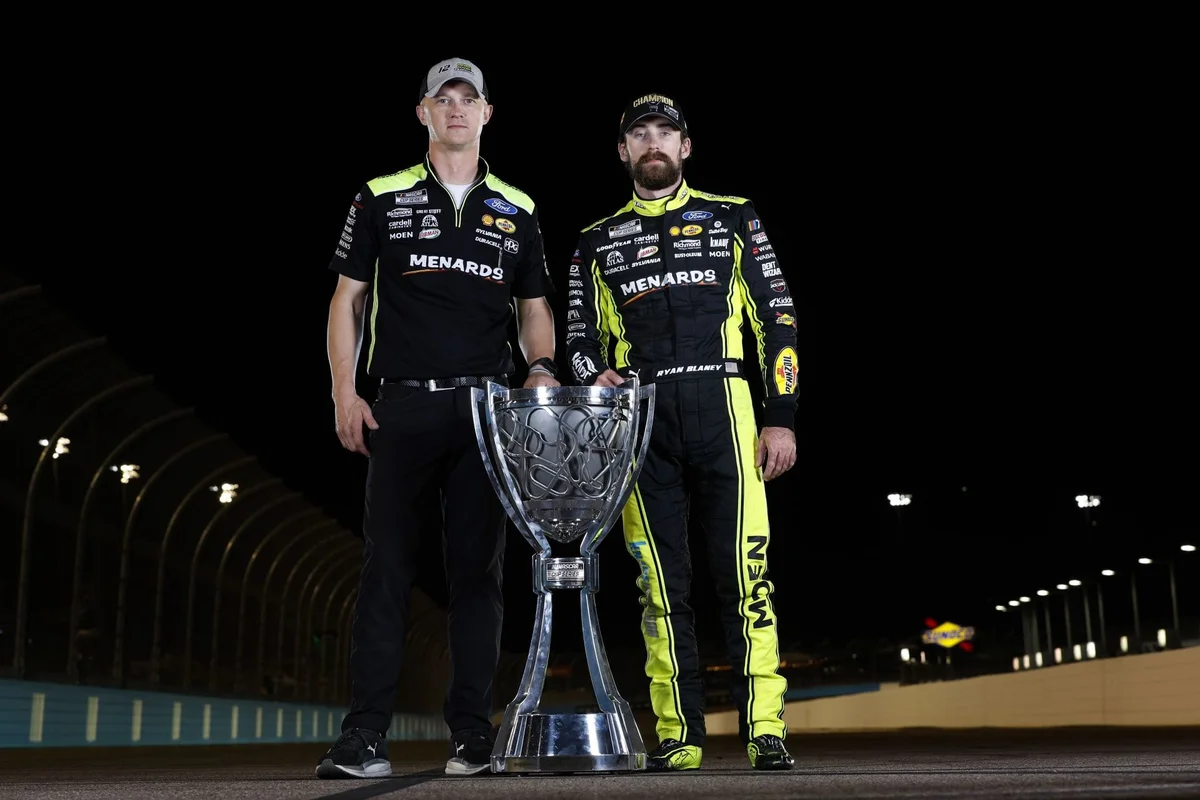
Rodney Childers’ Uncommon Qualities Set Him Apart
Unlike many, Martin recognized long after the fact that Childers had a special gift: seeing opportunities others missed and transforming under-resourced teams into surprise contenders. Martin looked back on moments where Childers propelled teams forward, highlighting cars that consistently outperformed, despite lacking the deep pockets of powerhouse organizations.
“Cars like the 55, you know, I don’t know, 77, 55, a bunch of these cars, you know, Rodney had worked on were rocket ships and I didn’t recognise it. So, as soon as I got to know Rodney, I mean, the first time we sat down, I was like, man, this is really awesome to work with a driver who understood how to couple technology with dirty hands because he had done his own work,”
Mark Martin revealed on the Mark Martin Archive podcast.
The revelation came swiftly when the two joined forces at Michael Waltrip Racing. While their stint together was short-lived, it became pivotal for both. Within a year, Childers left to pair with Kevin Harvick at Stewart-Haas Racing, and their subsequent run to the 2014 NASCAR Cup Series title validated what Martin had sensed: Childers possessed that very rare, potent fusion of theoretical knowledge and hard-earned, practical experience.
Childers’ story goes deeper than a typical climb through the NASCAR ranks. He was a fierce competitor in his own right, racing karts by the age of 12, stacking up an impressive list of titles—including multiple South Carolina state championships and national honors—before moving up to Late Model Stock Cars. From the All Pro Series to NASCAR’s national series, Childers learned every inch of the machinery before setting his racing helmet aside in 2003 to dedicate himself fully as a mechanic and crew chief.
Martin’s respect for Childers was rooted in noticing the subtle ways his leadership and communication transformed teams. In an era where engineering and data analysis increasingly dominate, Martin stressed the rarity of someone able to translate between cold technology and the lived, on-track feel that only real racers understand. For Martin, Childers became the template for blending intuition, skill, and science at NASCAR’s elite level.
The Transformative Power of Driver–Crew Chief Chemistry
The influence of top-tier crew chiefs like Childers was not limited to lap times. Martin’s journey through multiple partnerships gave him a front-row seat to the diversity of approaches and personalities shaping team strategy. Jimmy Fennig’s composed direction, Steve Hmiel’s analytical mind, Robin Pemberton’s resourcefulness, and Ben Leslie’s mastery of short-track racing all stood out. Yet, Childers carved his own space by seamlessly merging what the data said with what the car felt like in motion.
Martin found this partnership illuminating: working with Childers was
“really awesome to work with a driver who understood how to couple technology with dirty hands because he had done his own work,”
he stated with clear admiration.
The departure of Childers, as Martin emphasizes, isn’t just one less veteran on the pit box—it is the loss of a crucial “translator” able to harmonize human feedback and digital data, something continually threatened as motorsports leans further into technology-driven approaches.
Rodney Childers Reflects on Working with Martin and Harvick
On his own side, Rodney Childers has openly discussed the experience of teaming up with legendary drivers like Mark Martin and Kevin Harvick, revealing the subtleties that set these racers apart while shaping his philosophy as a crew chief.
“The first time I got to sit down with him and talk to him. It didn’t take me long to figure out that he was racer from the core. He knew a lot more about things that I thought he would. Its a lot of fun to work with him.”
– Rodney Childers, NASCAR Crew Chief
During his tenure with Mark Martin, Childers saw a relentless commitment to getting every last detail right. Practice sessions were more than routine—they were a high-stakes, strategic challenge. Martin pressed for instant competitiveness, demanding a car capable of front-running as soon as qualifying or the race began. This intensity kept everyone focused, requiring perpetual adjustment and refinement from the garage to the track.
Afterward, when Childers transitioned to working with Kevin Harvick, he had to recalibrate his approach. Harvick looked beyond the early laps, focusing on long-run strength, keeping his car in contention for the critical closing laps. Childers explained the difference:
“Kevin’s probably a little bit the opposite. He doesn’t really care if he runs fast at the beginning, runs fast at the end.”
– Rodney Childers, NASCAR Crew Chief
But despite their contrasting methods, Childers notes a core similarity. Both Martin and Harvick sought nothing less than race-winning speed. It was simply in their approach where they diverged:
“Both of them have the same mentality. Both of them want to be fast and win races, but it was just that practice sessions that was a little bit different between them,”
Childers concluded.
These experiences forged Childers’ own style—equal parts attentive to set-up nuance, but willing to play the strategic long game depending on the driver’s philosophy. The respect and growth between driver and chief, as shown through Childers’ time with Martin and Harvick, demonstrate the lasting impact one leader can have on a team’s culture and achievements.
How Crew Chief Departures Reshape the NASCAR Landscape
Mark Martin’s warning to NASCAR is clear: when someone like Rodney Childers leaves, the ecosystem loses more than a veteran. It loses a crucial bridge between data-driven engineering and lived, race-day wisdom. In today’s racing world, where algorithms and simulation software increasingly dictate car setups, the departure of hands-on leaders with real racing backgrounds threatens the future pipeline of innovation and instinct.
The shift can be seen in the ongoing evolution of how teams approach race preparation and in the distinct contrasts between experienced crew chiefs and management who are newer to the sport, sometimes coming directly from academic engineering backgrounds without trackside experience.
For fans and insiders alike, the absence of voices like Childers’ represents a changing of the guard and a test for the sport’s future direction. Mark Martin’s passionate remarks—drawn from decades of near-misses, hard-fought finishes, and the grind of Cup Series battles—serve as both tribute and timely caution.
As NASCAR continues to adapt and innovate, the legacy of relationships built between drivers like Martin and crew chiefs like Childers remains vital, serving as a standard for excellence and a reminder of the value that true hands-on expertise brings. The future success of a NASCAR team crew chief may very well depend on whether today’s talents heed those lessons—bridging intuition, grit, and technology as seamlessly as the legends who came before them.