
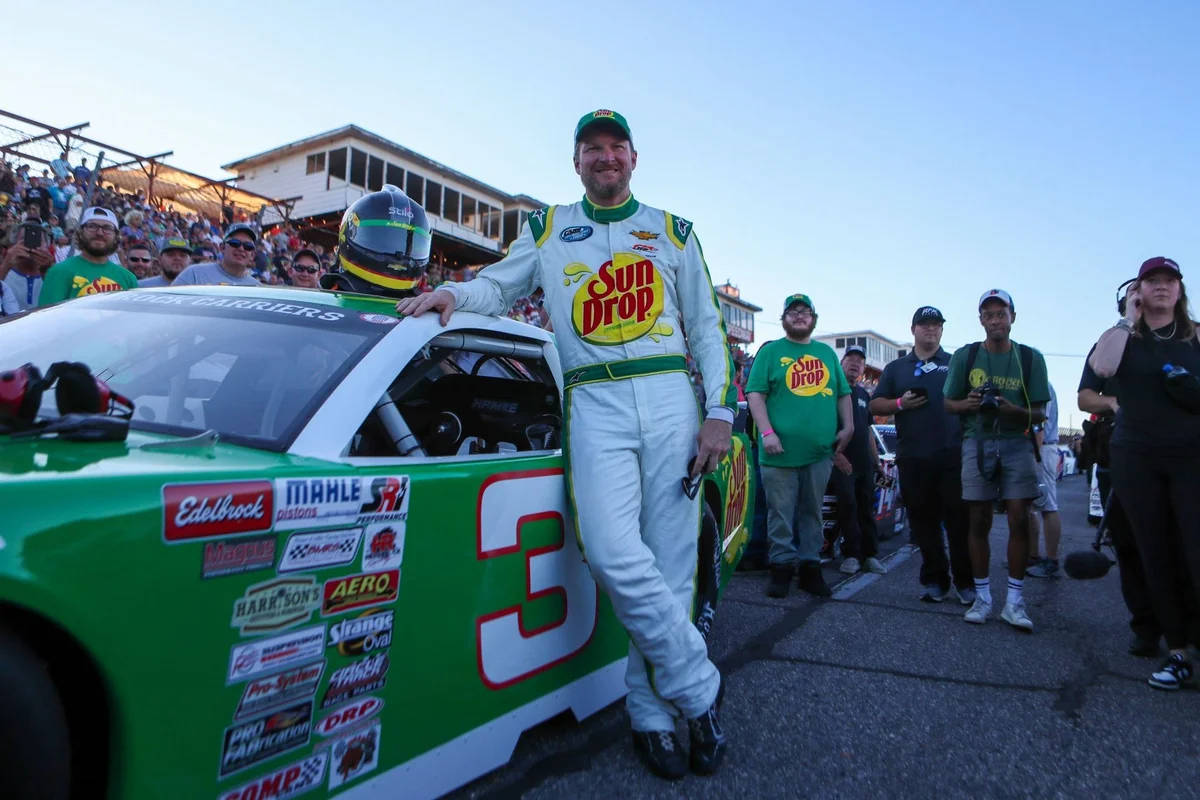
Dale Earnhardt Jr. has long remained a central figure within NASCAR, even after his retirement from full-time racing. His ongoing involvement, including team co-ownership and public commentary, continued well beyond his own racing days, but Earnhardt Jr. recently shared how his passion for following the sport as a fan began to fade. The evolution of the NASCAR championship format significantly affected his enthusiasm, making his opinions a telling glimpse into one of the sport’s most influential voices.
The Playoff System and Its Effect on Earnhardt’s Interest
Throughout his time in the sport, Dale Earnhardt Jr. witnessed NASCAR transition from a traditional, season-long points-based championship to various playoff iterations, most notably the “Chase.” The shift, focused increasingly on dramatic eliminations and unpredictable outcomes, was meant to stir excitement. Yet for Earnhardt Jr., the randomness that came with these changes sapped his love for watching as a fan.
He admitted that, despite his active role in team ownership and candid podcast discussions, he experienced a growing sense of fatigue. The focus on isolated, season-defining moments, rather than a continuous narrative built over a full schedule, dulled the urgency of each race and weakened his emotional connection.
“I feel like 36 is the best way to decide it,”
Dale Earnhardt Jr. stated emphatically, highlighting his preference for a championship determined over the span of the entire season.
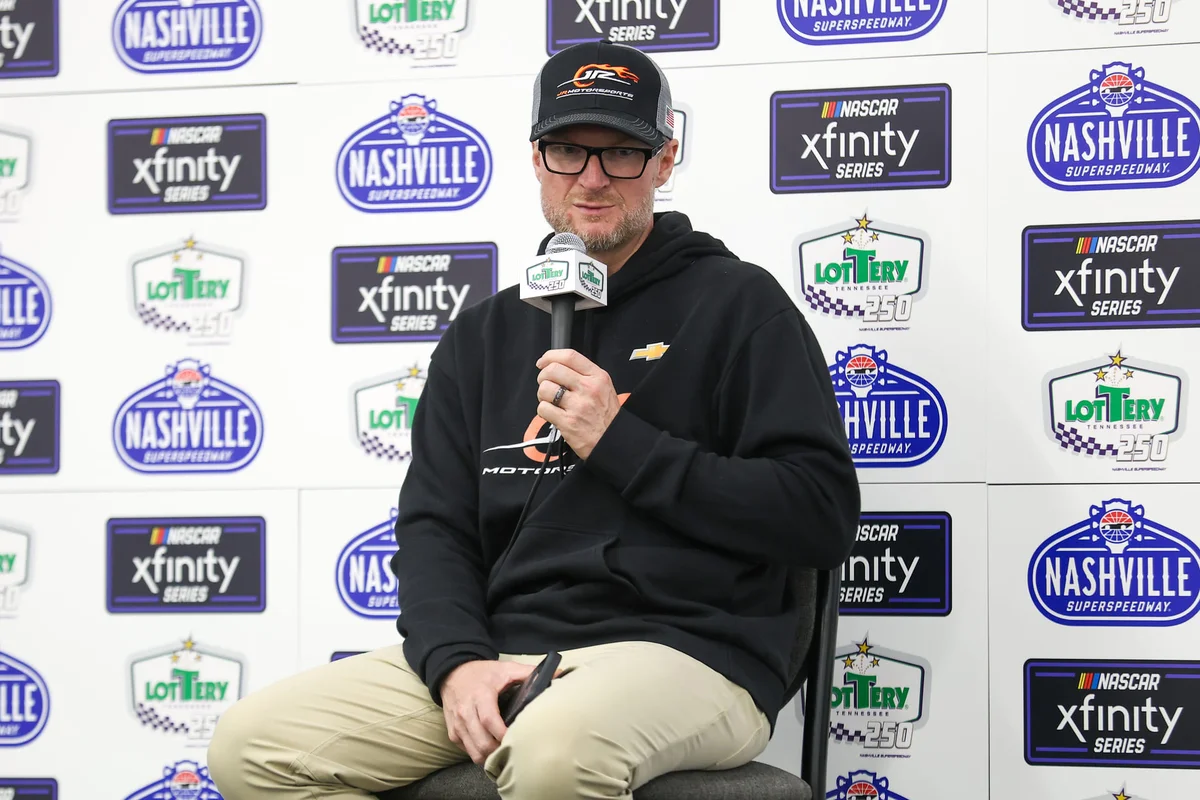
“You’re not gonna change my mind. I don’t expect us to ever get there. We need to keep in mind that that is truly the best way to do it, so this new system has to have a feel for that, an element for that.”
— Dale Earnhardt Jr., NASCAR team co-owner and broadcaster
Remembering the Value of Consistency
Reflecting on his childhood, Earnhardt Jr. recalled how he eagerly followed NASCAR each weekend, anxious about race results and championship implications. The old full-season points structure made every event feel consequential, keeping dedicated fans engaged throughout the calendar.
“I remember being a kid and just wanting to devour this sport every weekend. I was like what’s going to happen? I imagine that diehard fans, they tune in and they want to know how that guy’s going to do,”
he remembered. — Dale Earnhardt Jr., NASCAR team co-owner and broadcaster
He further explained how, during the era of season-long points, being absent for a single race as a fan could mean missing a moment that might decide the championship.
“And when we had the full season points, you couldn’t take a week off as a fan. That race that’s in the middle of the year could be the one that loses you the championship.”
— Dale Earnhardt Jr., NASCAR team co-owner and broadcaster
Drifting Away From Weekly Excitement
As NASCAR’s format prioritized playoff elimination and late-season resets, Earnhardt Jr. noted that both viewers and competitors felt less compelled to treat every event as urgent or essential. The drama designed to pull in viewers began, for him, to dilute the connection that kept him tuning in regularly.
“We had lost that. I had lost that…. I was sitting there going, ‘You know what? I can miss this one. I don’t need to tune in today.’ I had gotten to the point where it was like, man, I was falling out of love with it.”
— Dale Earnhardt Jr., NASCAR team co-owner and broadcaster
He described that the sense of unpredictability and the high stakes of isolated playoff moments turned the championship into what he compared to potluck—dependent too much on luck rather than season-long performance. With less value assigned to weekly results, the narrative thread that once connected fans, drivers, and teams throughout the year unraveled.
A Fresh System Rekindles Old Passions
Recently, NASCAR updated the championship format to better balance elimination drama with an emphasis on consistent results over the entire campaign. Under this revised system, regular season points have renewed significance, making every race matter again from Daytona to the finale in Homestead. Early race wins or bonus points help, but they no longer guarantee a trouble-free route to the championship; drivers are required to perform at a high level throughout the schedule.
This return to rewarding year-long consistency has rekindled Earnhardt Jr.’s enthusiasm for the sport, giving fans a clear story to follow and reducing the sense of randomness.
For fans, teams, and drivers, the new approach means championship scenarios are determined less by sudden shifts and more by steady, season-long momentum. Viewers and participants alike can track the story as it develops, restoring the type of competition that first drew fans in decades ago.
What This Means for NASCAR and Its Community
By blending the excitement of playoffs with the deeper meaning attached to long-term performance, NASCAR hopes to unite newer viewers and long-time followers. Earnhardt Jr.’s perspective, shaped by his deep experience as a driver, owner, and fan, highlights the importance of maintaining narratives that keep fans invested through every stage of the season.
The evolution of the rules is more than just a procedural update; it aims to bring back the emotional investment that kept people like Earnhardt Jr. and millions of others glued to their screens. As the upcoming seasons unfold, NASCAR will be measured not only by its ability to entertain but also by how successfully it sustains the relationships between fans, drivers, and teams. The insights and honest opinions from personalities like Dale Earnhardt Jr. help shape those continuing conversations within the sport.
Will The Chase bring back the excitement fans have been missing? 🏆
Tune in to the first Dirty Air of 2026! Out now. 🔥
Spotify: https://t.co/LS7gNTaF2i
Apple: https://t.co/wAg1YctRY0
YouTube: https://t.co/zZLvcPG8zo@DaleJr | @Tjmajors pic.twitter.com/QSmgIodqo5— Dirty Mo Media (@DirtyMoMedia) January 13, 2026

