
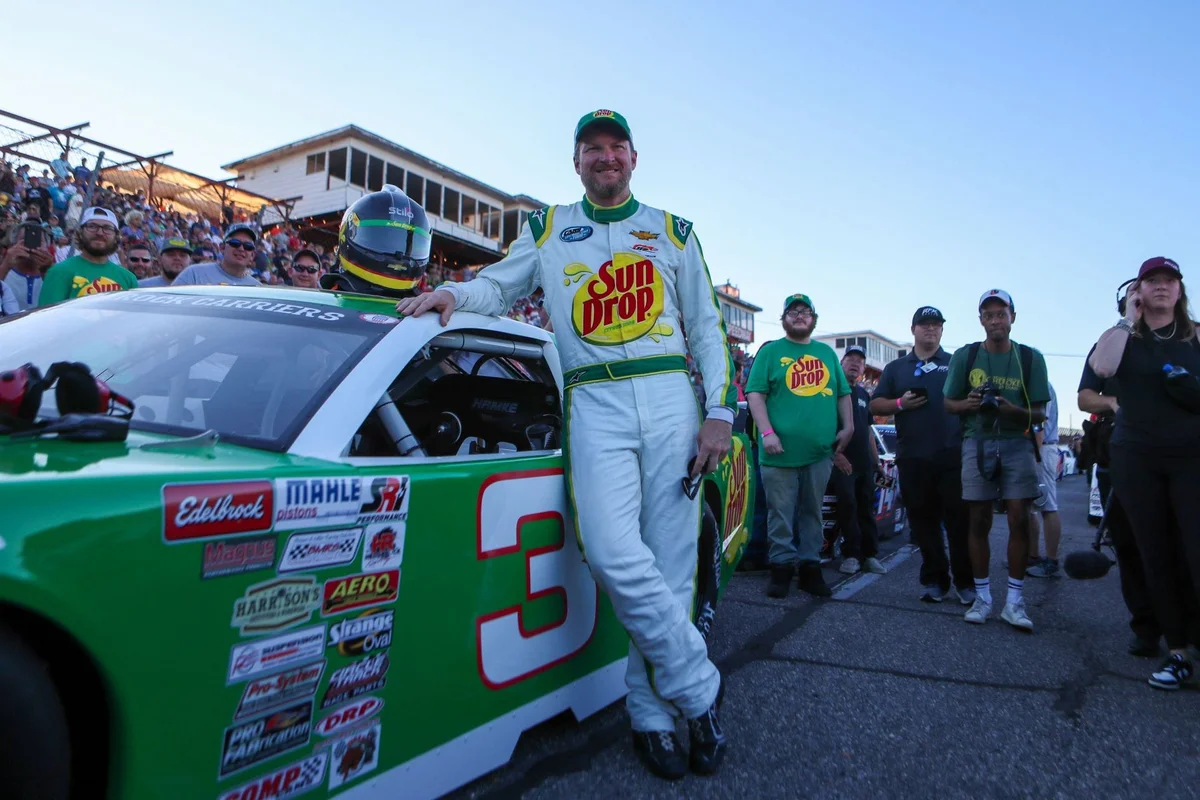
Dale Earnhardt Jr. has criticized NASCAR’s playoff modifications, stating that attempts to manufacture moments similar to mainstream sports have not benefited racing. Earnhardt’s comments highlight his belief that the pursuit of new fans through elimination-style systems has been misguided, which has important implications for how NASCAR engages its audience.
An Overview of NASCAR’s Playoff Format Changes
NASCAR introduced its elimination-style playoff system, called the Chase, in 2014 as a way to inject more drama and create high-stakes “Game 7 moments” reminiscent of stick-and-ball sports championships. The structure guaranteed that each postseason would reach a dramatic conclusion, but critics argued that by making such moments predictable, they became less impactful and lost their uniqueness. On Monday, NASCAR announced a return to a previous version of the Chase format, featuring a 16-driver, 10-race postseason. However, the updated system will no longer grant automatic playoff spots for race winners, nor will it reset points or include eliminations, moving away from the “Game 7” narrative NASCAR had tried to promote.
Earnhardt Jr. Pushes Back Against Chasing Stick-and-Ball Fans
On the day of NASCAR’s announcement, Hall of Famer Dale Earnhardt Jr. publicly endorsed the removal of “Game 7 moments,” arguing that NASCAR does not need to copy the drama of other sporting leagues for success. Speaking to Fox Sports’ Bob Pockrass, Earnhardt Jr. maintained that the sport thrived by being distinct and should not chase after fleeting trends or a hypothetical fanbase drawn in only by high-stakes showdowns.
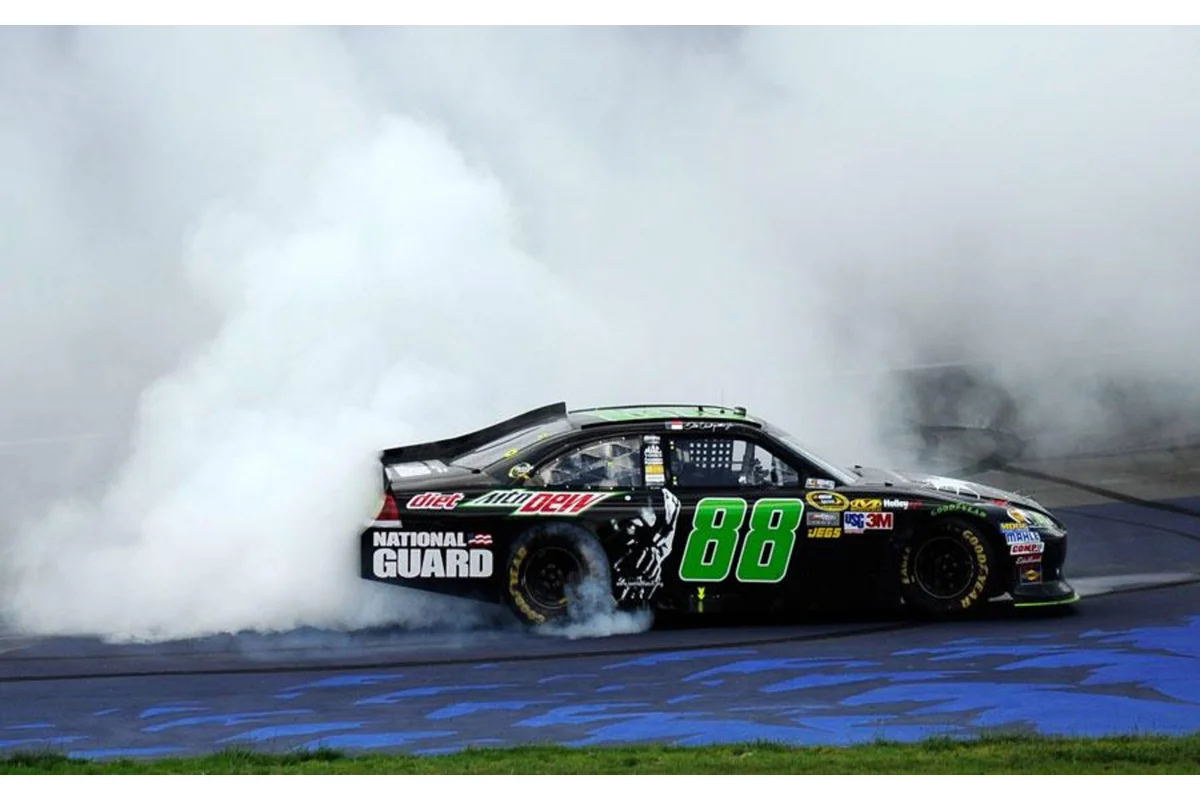
“We grew as a sport without mimicking what we’re seeing in the stick and ball world,” Earnhardt Jr. told Fox Sports’ Bob Pockrass on Monday. “And we never really needed to. We never needed to chase after that. People are gonna love motorsports or they’re not. I don’t know that we need to acquire all these unique features from stick and ball sports.
“I think you’re wasting your time trying to obtain a fan that doesn’t exist. I think the numbers would say that.”
According to Earnhardt Jr., the emphasis on engineered playoff drama has not served NASCAR’s long-term interests and may have alienated core followers, sparking debate on the value of chasing trends outside racing’s traditional identity.
Fan Interest and Audience Trends Over Time
The data appear to validate Earnhardt Jr.’s argument. While the inception of the Chase format in the mid-2000s coincided with a NASCAR popularity peak, audience numbers started declining soon after. A significant downturn followed, as economic factors, such as the late 2000s recession, made it harder for fans to attend races in person. Additionally, as stars like Jeff Gordon, Tony Stewart, and Earnhardt Jr. himself retired by roughly 2017, the sport struggled to retain its audience, despite the dramatic playoff format.
Television metrics reinforce this narrative. Average viewership dropped to a record low of 3.3 million in 2018, and by the 2025 season, Cup Series races attracted just over 2.47 million viewers. It’s notable, however, that the decline coincided with a new media rights contract that aired several races on Prime Video and TNT Sports, platforms that could see increased ratings in 2026. The departure of iconic drivers further challenged NASCAR’s ability to hold fans’ attention through changes in playoff rules alone.
A Return to Its Roots: NASCAR’s Future Path
With the latest shift to a championship format that recalls NASCAR’s heydays, there is hope among fans and analysts that the sport can recapture some of its lost momentum. The revised system, now stripped of automatic walk-off drama and point resets, seeks to reconnect with long-time followers who value the traditional essence of stock car racing.
As the sport heads into the 2026 season, stakeholders will be watching to see if the return to a more classic playoff structure leads to the revival many hope for. The ongoing debate, underscored by high-profile names like Earnhardt Jr., reflects broader tensions facing motorsports: whether to pursue broad, mainstream appeal at the risk of betraying what makes racing unique, or to focus on nurturing its passionate and loyal base.
The NASCAR playoff system was designed to create Game 7 moments that mimicked other sports. NASCAR, going back to the Chase, no longer will view itself as having "playoffs" or "walk-off wins" … Dale Jr. says that's fine: @NASCARONFOX pic.twitter.com/39tXEXCCAR
— Bob Pockrass (@bobpockrass) January 12, 2026

