
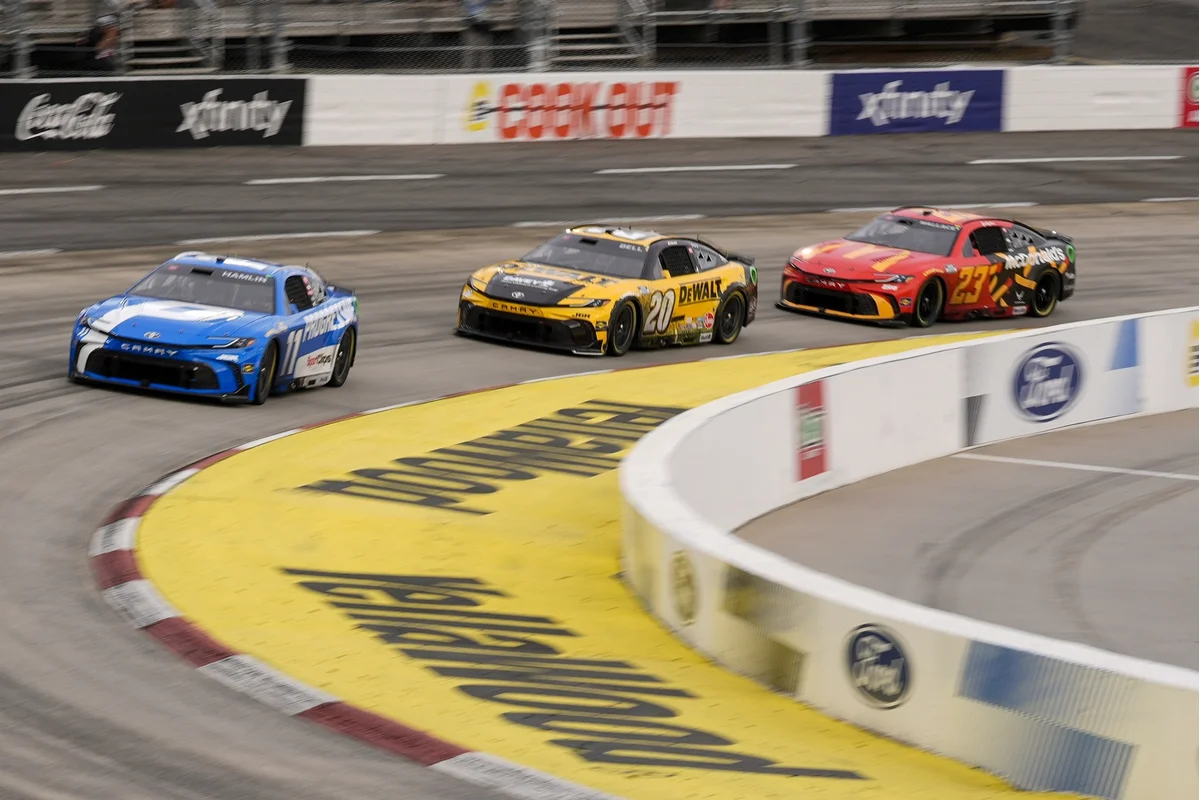
NASCAR has announced it will bring back the Chase for the Championship format beginning in 2026, a move intended to restore focus on points-based racing and shift away from recent years’ emphasis on dramatic playoff maneuvers. The revamped NASCAR driver championship format is expected to bring back professional racing standards and win over fans who became disenchanted with previous playoff structures.
NASCAR’s Decision to Revive the Chase for the Championship
The announcement, made at NASCAR Productions, was framed as a return to tradition and professionalism within the sport. Officials believe moving back to the points racing format will result in competition that is less about spectacle and more about consistent driving skill, reminiscent of what originally defined NASCAR’s appeal. The central argument is that this shift could bring back fans who abandoned the series amid the chaos of earlier playoff systems.
Drivers and Hall of Famers Voice Their Support
Chase Elliott, the 2020 NASCAR Cup Series champion, openly criticized the playoff format in use from 2014 to 2025 for promoting aggressive tactics that prioritized viral moments over genuine racing prowess. He assessed that headline-grabbing incidents, such as reckless last-lap moves, distracted from the finer aspects of competition. Elliott pointed to the 2022 Martinsville playoff race, where Ross Chastain‘s controversial maneuver eliminated Denny Hamlin and captured outsized media attention for the wrong reasons.
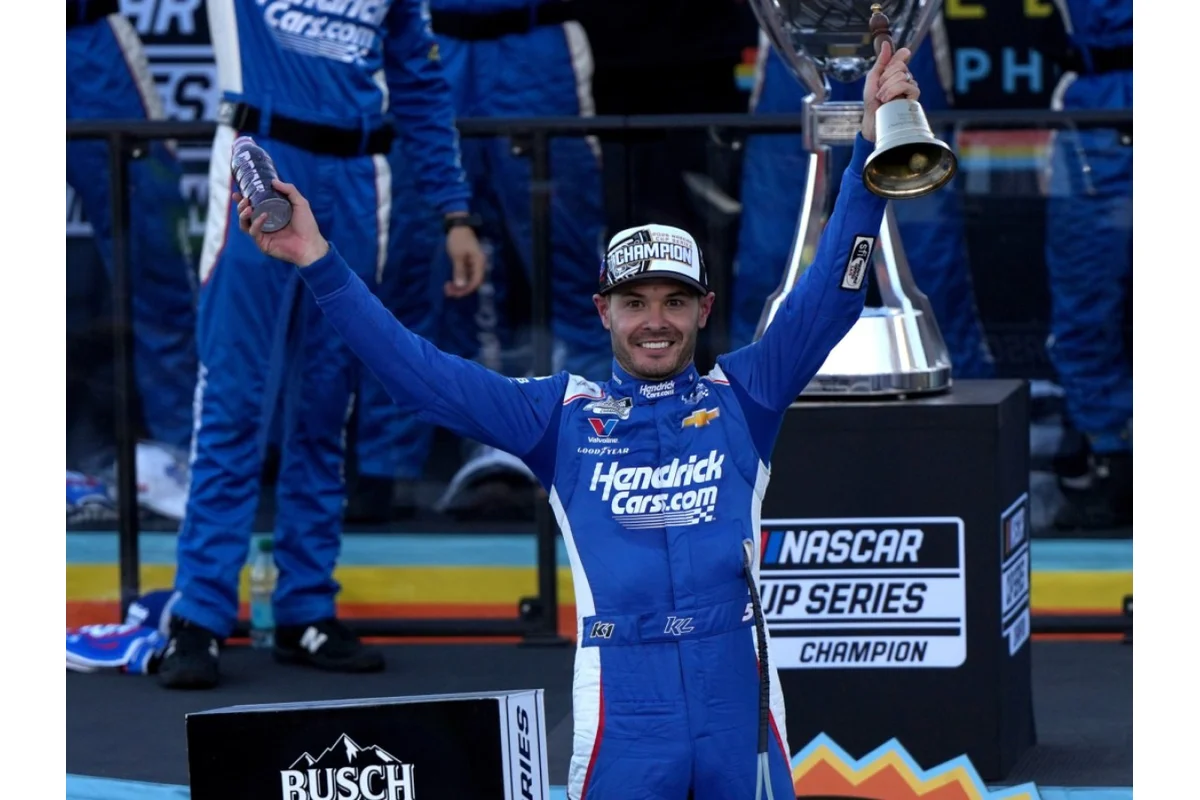
“Like all that stuff is good for your retweets and gets a lot of clicks and that’s fantastic for y’all,”
Elliott remarked to assembled media. He continued,
“But at the end of the day, I think for your long-term integrity of what we do and what the sport is really about, what it was built on, the art behind passing and finesse, the things that separate a guy from being good to being great are not the last lap maneuvers we have seen.”
– Chase Elliott, 2020 NASCAR Cup Series Champion
“We always talk about how hard it is to pass, and how important track position is, so on and so forth,”
Elliott admitted. He then offered,
“I watched Denny drive from about four cars back from me. I was running seventh or eighth. He drove up and passed me, didn’t boot anyone out of the way, nothing crazy.”
– Chase Elliott, 2020 NASCAR Cup Series Champion
“I’m just like, ‘man, we’re talking about the wrong thing here,’ because you don’t know how hard it is to do what Denny did to get himself in that position,”
Elliott voiced. – Chase Elliott, 2020 NASCAR Cup Series Champion
“So my point in all of that is this is a great step to not have as many of these chaotic moments and all of us (drivers) realizing there’s enough time for this to come out with the wash.”
– Chase Elliott, 2020 NASCAR Cup Series Champion
Critiques and Hopes from NASCAR Veterans
Mark Martin, one of the most vocal supporters for a season-long, points-based championship, argued that the previous playoff style failed to achieve its core objective of growing the fanbase. In his view, the spectacle had alienated classic race fans rather than drawing in a wider audience.
“The whole idea of the playoffs was to bring more of those fans and it has failed,”
Martin commented.
“It did not bring in enough of those fans in to offset what we lost. The classic race fans, many quit watching, and Jeff Burton says we can’t get them back.”
“If we can get fathers watching races with their kids, or grandfathers and their grandkids, that’s how we cultivate new fans. We don’t have to necessarily go out and change our on-track product as they call it. Let’s be who we are.”
– Mark Martin, NASCAR Hall of Famer
The revised format will feature a points-based system, with a single standings reset after the 26th race and a final 10-race stretch to determine the champion. This structure aims to reward skill and consistency, while also keeping the closing weeks of the season meaningful.
Support for a Cleaner, More Skilled Style of Racing
2023 champion Ryan Blaney expressed optimism that prioritizing points racing would reduce aggressive incidents on track and promote the artistry of high-level competition.
“I feel like it also is going to — I sit back, and I look at this new format, and sometimes we all get grief about over aggressiveness and things like that, and sometimes you get put in these situations where it’s a win and move on type scenario,”
Blaney explained.
“I think it’s going to clean up a lot of the racing side of it and get back to the purity side of it to where it is a little bit more of not brash, a little bit more of the beautiful art form that I grew up loving.”
– Ryan Blaney, 2023 NASCAR Cup Series Champion
A Compromise for the Sport’s Culture
Dale Earnhardt Jr., himself a symbol of the sport’s traditions, reiterated that NASCAR’s roots in points competition give it a distinct identity, and that imitating other sports had not yielded expected results. He pointed out that seeking fans from other sports was ultimately futile and that NASCAR should focus on its core audience.
“People either love motorsports or they don’t,”
Earnhardt said.
“It’s not made a big difference. Motorsports is unique, right? We are unique in that how we settle the score and settle the season is different. We don’t need to adopt these other things out there in the world. We had a pretty good system.”
– Dale Earnhardt Jr., NASCAR Hall of Famer
Though the new NASCAR driver championship format, known as the Chase for the Championship, remains a playoff, it is structured to reward steady performance and reduce reckless risks during high-pressure races. The intention is to bring back respect among competitors and shift the focus to tactical racing rather than sensational aggression.
Implications for Other Series and Long-Term Outlook
The O’Reilly Auto Parts Series and the Craftsman Truck Series will also adopt the revised Chase format, departing from races that sometimes resembled demolition derbies. The intention is to cultivate good racing habits and a professional atmosphere across all NASCAR divisions.
Chase Briscoe agreed, underscoring that every position will matter but reckless maneuvers will be discouraged.
“You’re not going to see the guy in 23rd driving through the guy in 22nd coming to the checkered flag,”
Briscoe emphasized.
“Racing for the win, guys are going to be a little bit smarter and because the points pay more for a win now, winning is still a huge incentive. It’s 15 more points.”
– Chase Briscoe, NASCAR Cup Series Driver
“You’re not going to clean someone out for 14th,”
Briscoe continued.
“You won’t have that anymore. Maybe when we get to the 26th race, and someone really needs that point, maybe but you’re not going to see guys clean each other out multiple times a year or ride the wall at Martinsville.”
– Chase Briscoe, NASCAR Cup Series Driver
Debating the Number of Championship Contenders
While some believe the number of drivers qualifying for the playoffs is still too high—a departure from earlier brackets that included just 10 or 12 contenders—most participants acknowledge the value of compromise. Elliott described the final structure as a necessary balancing act between tradition and inclusion.
“I thought 10 was a really good number back in the day, just because it was really hard to get inside the top-10,”
Elliott reflected.
“This is a compromise. You are not going to get everything you want. I do think this was a great piece of middle ground for us to land in and have everyone be as happy as they can be. Hopefully now, we can focus on what matters the most.”
– Chase Elliott, 2020 NASCAR Cup Series Champion
What This Means for the Future of NASCAR
With the return to the Chase for the Championship format, NASCAR is positioning itself to reconnect with its traditional fanbase and present a product that values racing skill over viral moments. The hope is that prioritizing the nuances of points-based racing will restore integrity and excitement among both drivers and spectators, while also cultivating future generations of fans who appreciate the sport’s rich history and distinctive style. The next seasons will show whether this shift achieves its goal of reviving NASCAR’s spirit and attractiveness, especially as other series follow suit.

