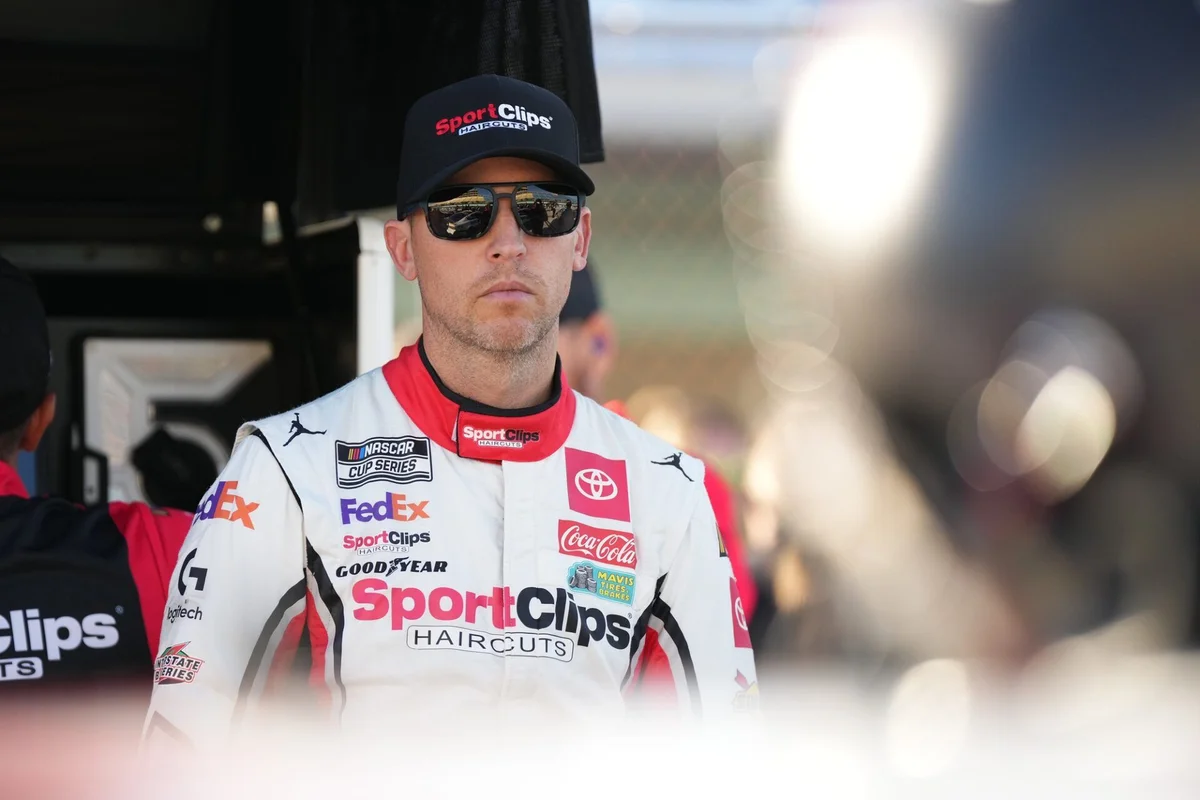
Denny Hamlin NASCAR playoff reform has taken center stage as NASCAR revealed it will return to its original Chase format starting in the 2026 season, moving away from the “win and you’re in” system to once again put a premium on season-long consistency. This significant change, shaped by persistent efforts from Hamlin and Hall of Famer Mark Martin, aims to address concerns raised by both longtime and newer fans about how champions are crowned.
NASCAR Announces Return to the Chase, Prioritizing Consistency
The 2026 NASCAR season is set to introduce a renewed approach to its championship format. Abandoning the previous “win and in” setup, the newly adopted system mirrors the original Chase, favoring competitors who perform solidly throughout the entire season. This move is largely seen as a response to calls from the fan community and influential figures within the sport, seeking a more authentic way to determine the series champion. NASCAR’s leadership described the change as the perfect balance between modern excitement and acknowledging the sport’s rich history.
Behind this pivotal shift are two standout contributors: Joe Gibbs Racing veteran Denny Hamlin and racing great Mark Martin. Both have advocated for the restoration of a consistency-driven format, making their case across multiple platforms and working to shape the direction NASCAR will take in 2026.
Leadership Acknowledges Hamlin and Martin’s Influence
NASCAR president Steve O’Donnell gave credit directly to Hamlin and Martin for their passionate involvement in the reform process, highlighting the depth of their commitment:
“The two loudest voices I have heard in my career on formats are Denny Hamlin and Mark Martin. What I give those guys an extreme amount of credit for is that their job was to go out and win races, right? At the end of the day, they could say, ‘You guys figure it out.’ But they care. They care about the future of the sport. Seeing their passion and seeing their inputs have been hugely important.”
Steve O’Donnell told Peter Stratta of TSJ.
Their outspokenness has had a visible effect within the sport’s leadership circles. Vice President Ben Kennedy further underlined Mark Martin’s major role during the playoff committee’s discussions. Kennedy explained that Martin’s unique perspective and forceful advocacy were vital in steering NASCAR towards a format that puts consistency at its core:
“He had a very particular viewpoint, and he was one of the loudest voices in the room. He was a large contributor to the format we came up with today. If Martin hadn’t been in that room that day, we would be announcing something different today, where consistency may not be this important.”
Ben Kennedy asserted.
If not for Martin’s steadfast presence, the league might have unveiled a softened version of the Chase, with less emphasis on reliability and more on fleeting moments. Instead, the current model promises to reward sustained high-level performance across the full NASCAR campaign.
Mark Martin Reflects on the Motivations Behind Change
During an emotional press conference, Hall of Famer Mark Martin shared his unfiltered perspective on the playoff overhaul. He argued that previous attempts to modernize the format had, in fact, alienated a large number of dedicated legacy fans, who wanted the sport’s traditions preserved. As Martin noted, only time will tell whether those fans will come back, but he remains hopeful:
“The whole idea of the playoffs was to bring more of those fans and it has failed. It did not bring in enough of those fans in to offset what we lost. The classic race fans, many quit watching, and Jeff Burton says we can’t get them back…He may be right but maybe we can get some of them back.”
Mark Martin said.
Martin acknowledged that shifting the format again will likely have mixed effects—exciting some new spectators, while possibly losing others. However, he emphasized that restoring a championship framework based on steady results could help rebuild bridges with older generations of supporters, while also providing an opportunity to spark interest among younger audiences.
“I hope we can get enough of them back to at least offset the ones that were watching just for the sparks and the flames because it’s racing…If we can get fathers watching races with their kids, or grandfathers and their grandkids, that’s how we cultivate new fans. We don’t have to necessarily go out and change our on-track product as they call it. Let’s be who we are.”
Mark Martin added.
Here, Martin underscores his vision of NASCAR as a multigenerational sport, with the new format serving as a bridge between traditions and future possibilities. He advocates for a product that remains true to its roots rather than chasing spectacle for its own sake—a message that seems to echo the feelings of many within the fan community.
Wider Implications for NASCAR’s Future
The return to the Chase format not only impacts how the championship is decided, but also what it means to be a NASCAR fan. This reform is intended to rebuild trust among longtime supporters, many of whom left during the recent era of frequent playoff changes. The new format aims to ensure that only those who excel over an entire season are rewarded at championship time, creating a sense of fairness and legitimacy.
As the series looks forward to 2026, the leadership’s willingness to listen to influential racers and legacy fans alike marks an important cultural shift. The response from fans, and how they engage with championship battles under the new rules, will shape the next chapter in NASCAR’s narrative. Figures such as Jeff Burton, Steve O’Donnell, Denny Hamlin, Ben Kennedy, and especially Mark Martin, have set the tone for this next phase—one designed to blend excitement with heritage through Denny Hamlin NASCAR playoff reform.
NASCAR President Steve O’Donnell says O’Reilly and Trucks will both shift to Chase formats as well.
Details here: #NASCAR pic.twitter.com/M9doPgP4Jk
— Peter Stratta (@peterstratta) January 12, 2026