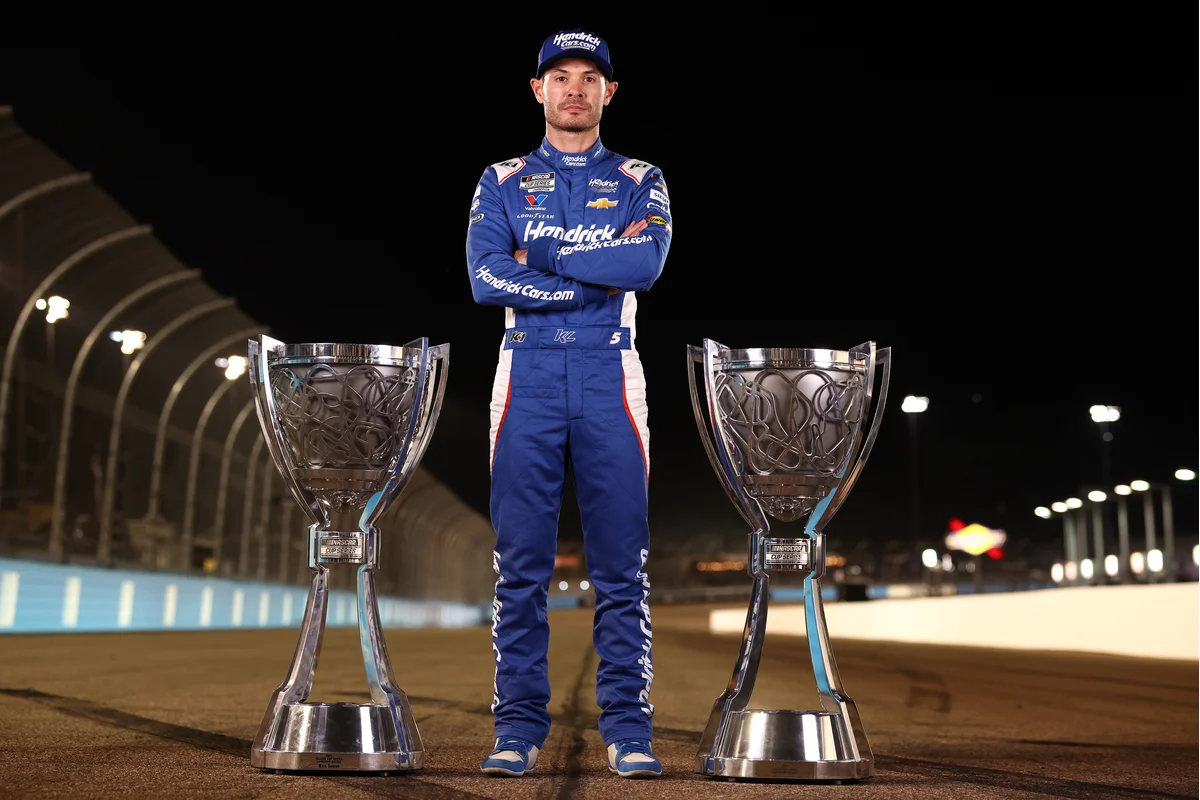
NASCAR has revealed that the Chase format will return to the Cup Series, O’Reilly Series, and CRAFTSMAN Truck Series in 2026, creating potential advantages for teams like Hendrick Motorsports. The updated rules significantly alter the structure of the postseason, which could impact drivers such as William Byron, Chase Elliott, Kyle Larson, and others connected to Hendrick Motorsports.
NASCAR’s Return to the Chase Format and Major Rule Changes
In a move announced in Concord, NASCAR confirmed that the traditional Chase format will make a comeback. This marks a shift away from the elimination-style playoff system used for more than a decade. Under the revised Chase, a 10-race postseason will now feature the top 16 drivers in points standings after the first 26 races of the season. The overall champion will be determined solely by total points earned in those last ten races. Some rule changes accompany this format, notably awarding 55 points to each race winner instead of the prior 40 and eliminating the win-and-you’re-in qualification rule, which previously provided automatic playoff berths.
Past Success and Hypothetical Gains for Hendrick Motorsports
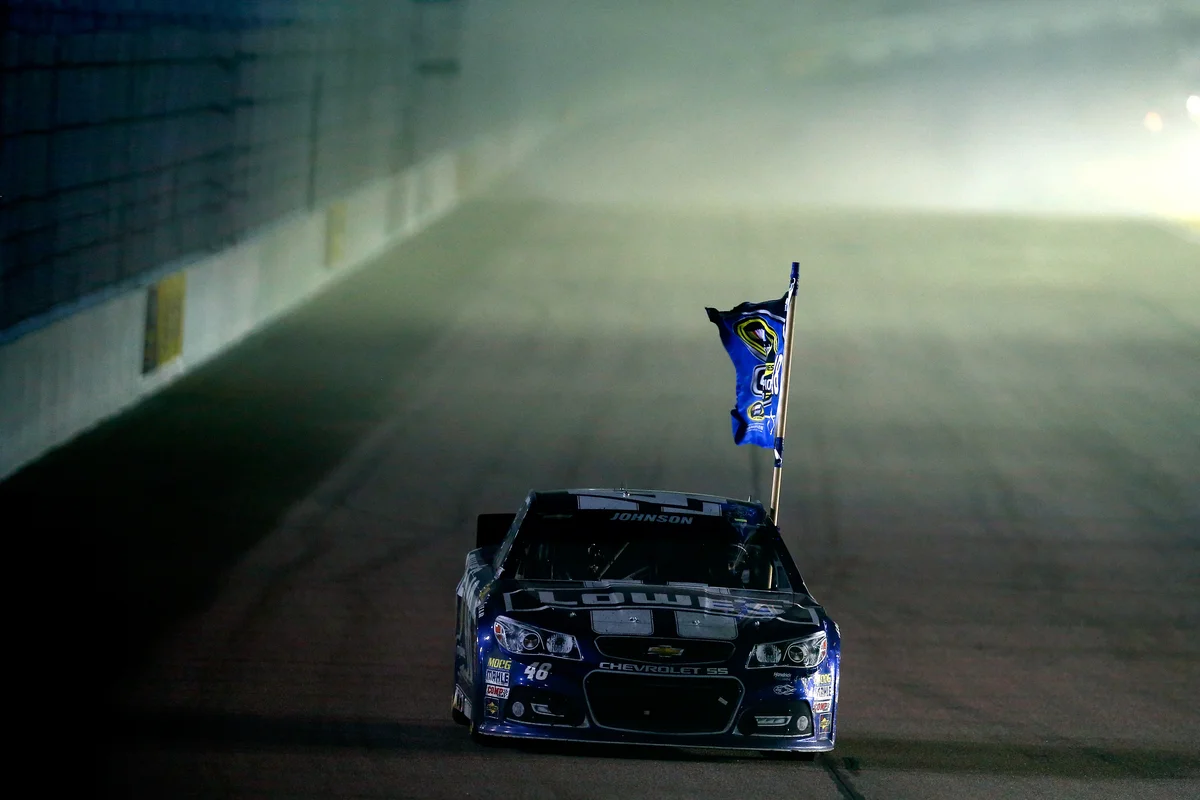
Hendrick Motorsports has already enjoyed strong results in the playoff era, securing championships with Jimmie Johnson (2016), Chase Elliott (2020), and Kyle Larson (2021, 2025). The revised Chase format, however, could have led to even more success for the team, particularly in recent seasons. For example, if this format had been in place, Larson would have entered the 2026 campaign as a two-time defending champion with an added title in 2024, and William Byron’s performance in 2023 would have made him champion with Larson finishing second. Byron would also have been the runner up in 2024, showing the potential for Hendrick drivers to claim additional accolades.
Drivers Weigh In on the Revised System
The announcement in Concord drew reactions from prominent Hendrick Motorsports drivers. Chase Elliott offered a nuanced perspective, noting that while historical performance suggests optimism, the landscape of each season remains unpredictable. He reflected on the improvement seen late last season and his increasing confidence entering the new era. Elliott expressed that the expanded postseason—spanning ten races without elimination rounds—offers teams greater chances to adjust strategies and maintain momentum, creating a less disjointed path to the championship.
“I think if you based off historical performance, sure,”
Chase Elliott said.
“But as we all know, performance and the way you performed last year might not play out the same way this year. If you’re judging off last year and the year before, yes, you could make that argument. But me, personally, if you looked back at last season, kind of the way we finished the year, I felt like we were getting into a place where I felt confident.”
— Chase Elliott, Driver
“But I do feel like you have a bigger sample set and more opportunities to string together more races and it not be so choppy.”
— Chase Elliott, Driver
What This Means for the Future
The Chase format’s return in 2026 is poised to shape the competitive landscape for Hendrick Motorsports and the rest of the field in NASCAR. By rewarding consistent high performance over a longer span in the postseason and removing the focus on single-race eliminations, teams like Hendrick Motorsports may benefit from deeper talent and more strategic flexibility throughout the Chase. As the next season approaches, anticipation will build to see if historical trends hold true or if new title contenders emerge under the revived system.