
The NASCAR Cup Series is set to reintroduce the Chase format in 2026, ending over a decade of the elimination-style playoff system. This transition has renewed attention on historical moments, with Jeff Gordon’s championship run in 2007 offering key lessons about the importance of winning, as emphasized by former crew chief Steve Letarte. The story of Gordon’s near-miss provides unique insight into why simply maintaining strong finishes will not guarantee title success under this system.
Why Race Wins Remain Essential for a NASCAR Title
While some believe that steady performances throughout the playoffs are enough, Steve Letarte’s firsthand account of the Jeff Gordon championship chase 2007 argues otherwise. Letarte, who was Gordon’s crew chief in 2007, revisited the season during a recent episode of Inside The Race. He recalled how Gordon’s remarkable consistency—achieving a 5.0 average finish—still fell short when compared to Jimmie Johnson’s race victories during the final Chase stretch.
“I had a 5.0 average finish in 2007 and lost to Jimmie Johnson, who won four races,”
— Steve Letarte, Former Crew Chief
“We can talk about consistency all we want, but in those final 10 races, you have to have consistency, and you have to win races.”
— Steve Letarte, Former Crew Chief
“I once had an average finish of 5.0 in The Chase and still lost the Championship…you have to be consistent AND win races to be crowned Champion in this format.”
— Steve Letarte, Former Crew Chief
Letarte insists that without victories in the Chase, even the best drivers may fall short of the championship. He points out that a single race win grants a driver 55 points, making race victories a significant advantage compared to relying solely on top finishes.
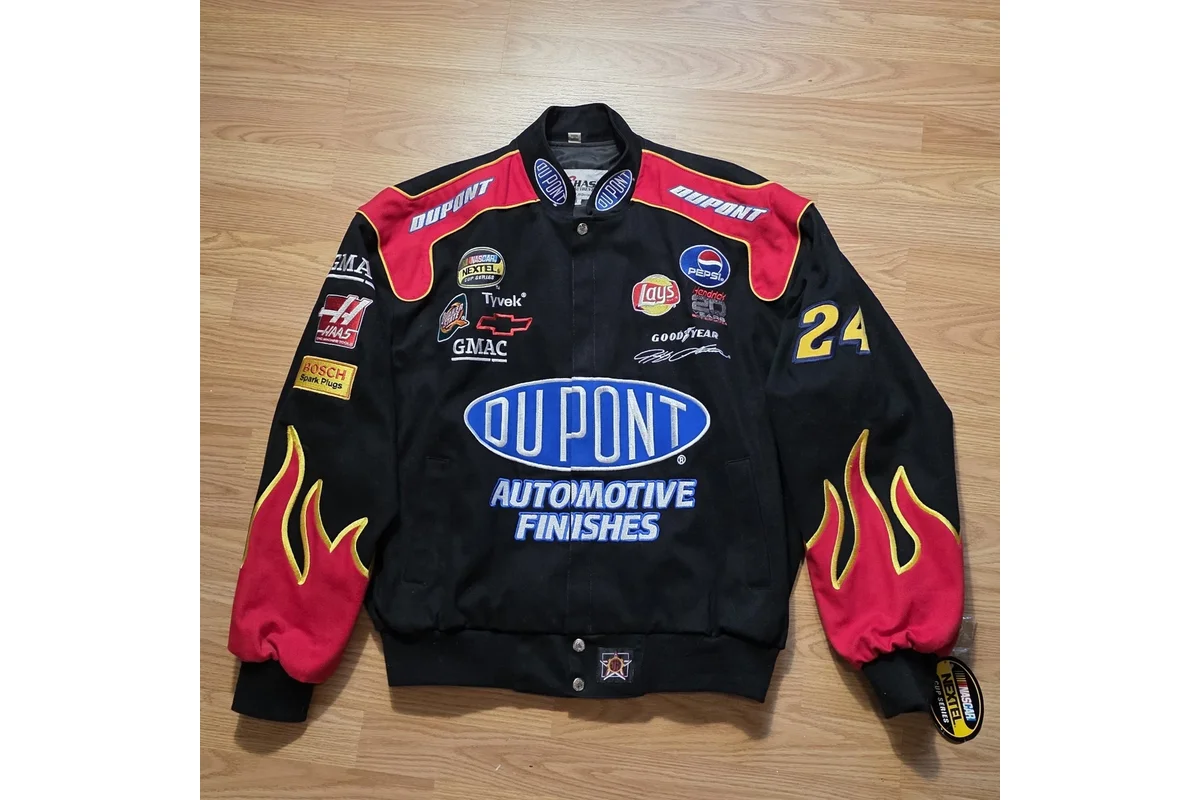
Inside Gordon’s 2007 Performance
Jeff Gordon’s 2007 season is often cited among NASCAR’s standout championship chases. Paired with Letarte, Gordon secured six wins, more than enough by typical standards to contend for a title. Their consistency was remarkable, with 21 top-five results and a record-setting 30 top-10s. However, when the Chase’s final 10-race segment began, Gordon’s frequency of reaching Victory Lane decreased. Despite two wins in these critical races, it was not sufficient to stay ahead of Jimmie Johnson.
Johnson managed to outpace Gordon by winning four out of the last five races, clinching his second Cup title. This late-season surge made the difference, proving that qualifying for the Chase, while necessary, is not the sole ingredient for a championship. To be crowned, a balance between steady performance and decisive victories is essential. The disappointment of 2007 still resonates with Gordon years later. As he reflected in an interview with Autoweek:
“Looking back on it, I still can’t believe we didn’t close out. I had never found myself in that position and wasn’t able to pull it off. We had some really elite teams during my career, and we always pulled it off.”
— Jeff Gordon, NASCAR Driver
The Return of the Chase and Its Implications
The 2007 season stands as a testament to how demanding the Chase format can be, even for elite drivers and teams. With NASCAR reintroducing this classic playoff structure in 2026, drivers and strategists are expected to place equal value on consistent top-tier finishes and taking risks for the win. The evolving system is likely to intensify championship battles, drawing renewed comparisons to memorable title campaigns like Gordon’s—where even near-perfect consistency was not enough without wins in key moments. The sport anticipates heightened drama and fierce competition as drivers prepare to face this renewed challenge.
I once had an average finish of 5.0 in The Chase and still lost the Championship…you have to be consistent AND win races to be crowned Champion in this format.
Inside The Race: https://t.co/2wM2dPm3Eg pic.twitter.com/WAi5RqTnPE
— Steve Letarte (@SteveLetarte) January 13, 2026