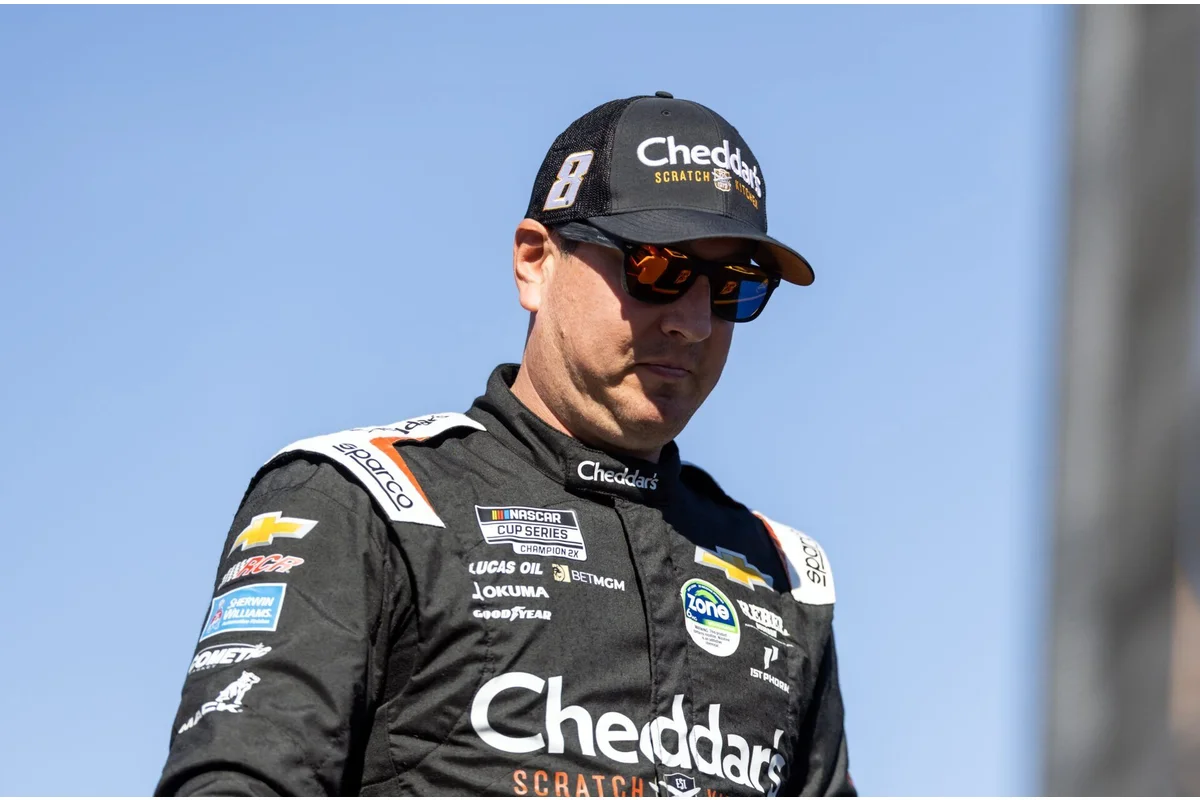
Veteran driver Tony Stewart is set to make his much-anticipated return to the NASCAR Truck Series at Daytona International Speedway, but fellow Cup Series champion Kyle Busch warns that the track and its competition have only gotten tougher. Stewart will race for Kaulig Racing in the No. 25 Ram 1500 on Friday, February 13, marking his first Truck Series appearance since 2005.
The landscape of the Truck Series has transformed since Stewart’s last foray nearly twenty years ago. Over that span, the cars have gained speed, the driver lineup features more rising stars, and Daytona itself has earned a reputation as one of the most punishing circuits in the sport. Stewart’s 2005 run at Dover ended with a second-place finish, but Busch cautions that those days are long gone.
Heightened Aggression and High Costs at Daytona
Daytona has evolved into a battleground where fierce competition is the norm, and risk of multi-vehicle crashes is ever-present. Early-season openers once passed with minimal incident, but recent years have seen a spike in double-digit caution periods, highlighting the chaos that often unfolds. Busch himself has witnessed the toll, with major crashes in the past sidelining drivers like Corey Heim, Chandler Smith, and John Hunter Nemechek. The result: repairs and losses for teams and owners, with high financial stakes every time the field takes the green flag.
“I need to get him one of my shirts that I wore there a few years ago, where this is the most expensive day of the year for the owners,”
Busch remarked, referencing the costly nature of Daytona—memorialized by a shirt he wore adorned with a pile of burning money. – Kyle Busch, Two-Time NASCAR Cup Champion
Busch Highlights Shift in Racing Culture
Despite various rule adjustments and changes in the playoff structure, Busch does not expect the aggressive driving style at Daytona to change. He points to a fundamental difference in current racing culture, where younger drivers are groomed with aggressive techniques from early on in their careers, whether in ARCA, late models, or other regional series. This aggression often translates to bold, sometimes reckless, moves once the season begins, leading to unpredictable and often chaotic racing.
“When you watch all the children that race all year long in the ARCAs and the late models and other things, and you see that stuff already, they’re taught from a very, very young age to dive bomb and run into them and door that guy,”
Busch said. – Kyle Busch, Two-Time NASCAR Cup Champion
Stewart’s Challenge and the Outlook for the Daytona Race
Busch, oscillating between humor and genuine caution, made it clear that old-school experience may not be enough to guarantee success in today’s Truck Series environment. Even as he joked about hearing the familiar justifications from young racers, he reinforced that the prevailing style at Daytona resists easy change.
“Being a dad, I’ve heard those words (I had to do it), and maybe I’ve said those words once or twice, but it’s… yeah, I don’t think you’ll… You won’t change a whole lot.”
– Kyle Busch, Two-Time NASCAR Cup Champion
Stewart’s upcoming Daytona run comes with immense attention, not just for his stature as a three-time Cup Series champion, but also because of the high level of uncertainty and risk. As the Truck Series opener approaches, drivers, owners, and fans alike will watch closely to see if Stewart’s legendary skill can outlast the mayhem that now defines Daytona—and if his return signals a new chapter for both his storied career and the evolving landscape of NASCAR racing.