

The announcement that the 2026 NASCAR season will bring back the Chase-style championship is prompting drivers and teams to rethink their strategies, according to Dale Earnhardt Jr. NASCAR made the decision public on Monday, and Earnhardt Jr. has signaled that the changes could alter how the sport’s most competitive figures, including himself, approach the season’s most critical moments.
Earnhardt Jr. Anticipates Change in Point-Scoring Tactics
Dale Earnhardt Jr., who raced full-time throughout the original Chase era, expects the new structure to push some drivers to focus heavily on accumulating season points. As details emerge about how the points and playoff picture will unfold, Earnhardt Jr. sees a scenario developing in which not every driver races solely for the win each week. Instead, some may prioritize gathering points during the stages to secure a playoff berth even at the expense of a strong finish.
“Honestly, I don’t know what we’re gonna see in some scenarios,”
said Earnhardt Jr. on his Dale Jr. Download podcast. He described how stage points could alter a driver’s outlook mid-race, sometimes leading them to settle for crucial points rather than gambling for victory.
“[…] The stage points will still be important, we know that guys will strategize sometimes to actually take away their chances of winning the race to gain more stage points, we’ve seen guys do that.”
By highlighting the ways strategy can override pure performance ambitions, Earnhardt Jr. recalled instances in which teams recalibrated during green-flag conditions.
“The green flag will drop, they’ll start racing and the guy will go, ‘Our f*cking car ain’t good enough today but if I do this and this, I can get these stage points, and we’ll just see where we end up in the final stage and we’ve got the third most points even though we finished eighth.’ So, they’ll do that, we know they will.”
This reflects the intricate balance between earning enough points and going for outright wins.
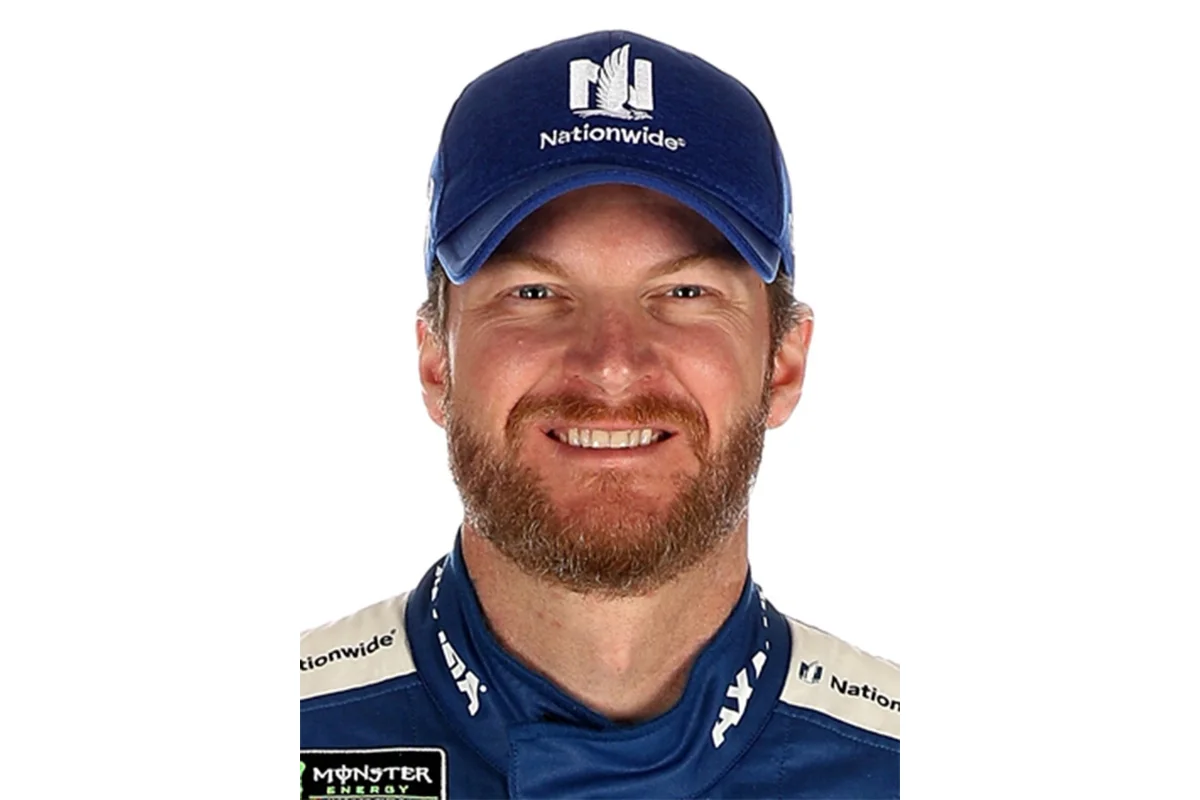
Greater Emphasis Placed on Victories and Seeding
With the return of the Chase, NASCAR is also adjusting the reward system to place more emphasis on winning. Starting in 2026, race victories will be worth 55 points rather than the previous 40, while the regular-season points leader will begin the Chase with a significant 25-point bonus. This move aims to ensure that reaching Victory Lane continues to play a critical role in securing strong playoff positioning.
The well-known “win-and-in” mantra that previously defined NASCAR’s postseason qualifications is being dropped. Instead, while drivers can no longer clinch a Chase spot with a single victory, the increased points for wins will make striving for first place throughout the season even more important. Earnhardt Jr. pointed out that winners in the new system will be rewarded substantially, not just through seeding but cumulatively over the campaign.
“Now, since we’ve added some more points to winning, that becomes more important,”
said Earnhardt Jr. He believes drivers will still play the stage racing game, but with less intensity as they recognize the greater weight given to crossing the finish line first.
“You’re gonna see people still do a little bit of stage racing but less because winning, points wise, means so much. When these guys start to realize how important it is to be in one of the top five seeds, when they realize the advantage of being a top two seed, they’re gonna have to get points, points, points all year long. That’s winning races, that’s running in the top three.”
Implications for Teams, Drivers, and the Championship
The upcoming change redefines the path to the championship, with a premium now placed on consistent high finishes and outright victories. As Earnhardt Jr. and other key figures await the start of the 2026 season, the evolving Chase is expected to bring both tactical and psychological shifts across the NASCAR field. The move promises an unpredictable mix of caution and aggression as drivers calibrate their season-long approach between stage points and the ultimate prize—Victory Lane. The real impact of these changes will become clear as teams implement new strategies and fans witness a reshaping of NASCAR’s competitive landscape.

