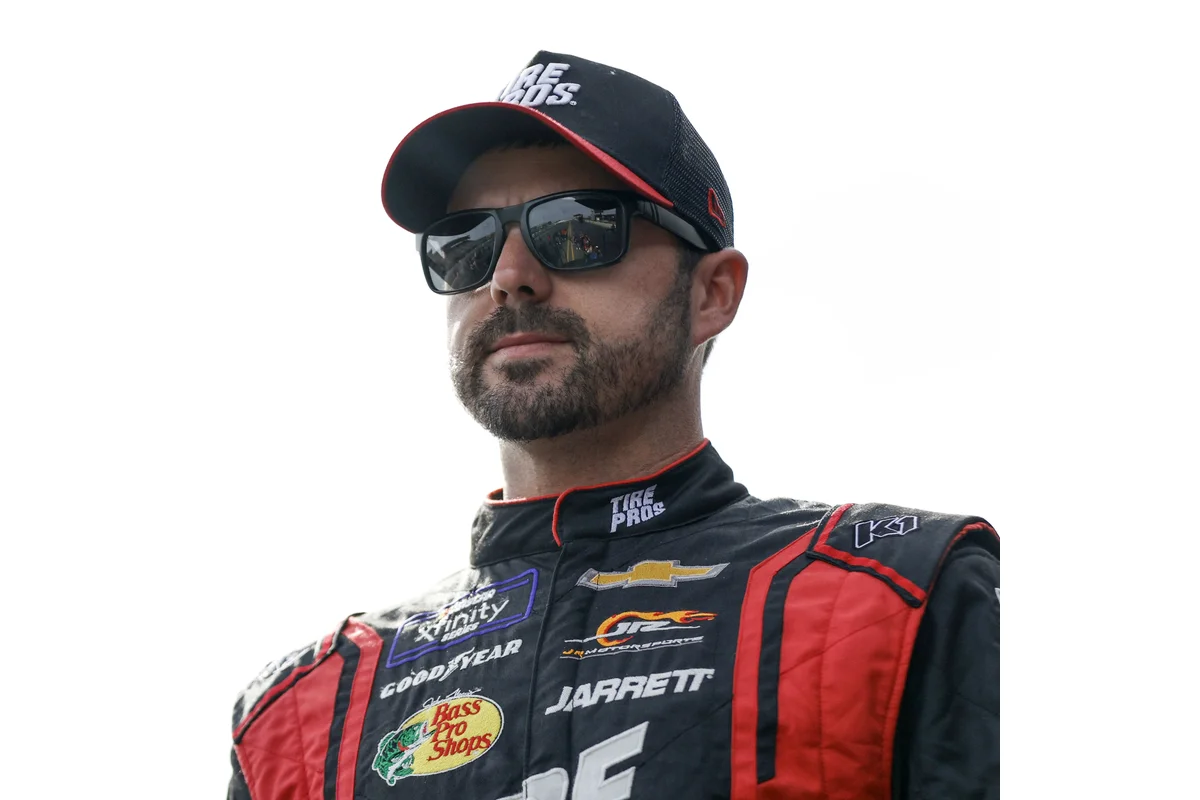
NASCAR’s 2026 return to the Chase format could mark a significant change in racing strategies, as drivers like Josh Berry believe this move may shift the NASCAR driver mindset back towards consistency and respect rather than aggressive win-at-all-costs tactics. The adjustment, set to move away from the elimination-style playoffs, is expected to reshape how competitors approach each race and interact on the track.
Drivers Respond to the New Playoff Format’s Potential Effects
Ryan Blaney of Team Penske initially raised the issue, noting potential changes in racing behaviors when the Chase format resumes in 2026, and his viewpoint quickly found support from Josh Berry, who drives for Wood Brothers Racing. The recent elimination-based playoff system put immense pressure on drivers teetering on the edge of making the playoffs, often prompting high-risk moves with entire seasons at stake. Notable incidents, such as Ross Chastain’s desperate lunge on Denny Hamlin at Watkins Glen and Austin Dillon’s suspension for a similar maneuver in Richmond, underscored the lengths drivers would go for a last-minute win.
This playoff structure has reinforced a culture where risks are routinely justified if there’s a chance to secure a coveted win and guarantee a post-season berth. However, with NASCAR moving away from the win-and-in system, a greater emphasis will be placed on gathering points and showing consistent results throughout the season, something several drivers—Berry included—see as a path to restoring mutual respect in the series.
During preseason testing, Berry recognized the impact of the format, echoing Blaney’s assessment that the quest for survival has excused questionable on-track decisions. In his own words:
“I think I saw Blaney make that point, and ultimately I agree with him right? I mean I think we’ve seen times when you know some moves have gotten made and it’s always well, I got to win, right? So I think that’ll change the dynamic a little bit,” Berry said via Peter Stratta (2:19 onwards).
“Win still matter a lot, but it’ll be interesting to see if that changes a lot of people’s perceptions of how they race, especially when you look at superspeedway races and things like that. Where, if you only have to win, right, that changes how you race versus obviously you still’ve to go to Daytona or Tallaladega and walk out there with a top five and some points would be a good day in this new system. So, I think it should change how people think. I think it’s hard to say if that’ll show up on track or not,” he added.
Ryan Blaney’s comments reinforce the expectation that the Chase format could reduce excuses for extreme aggression. He recalled how, under the previous system, it was common for drivers to justify questionable moves if it seemed necessary for a win, which, in his view, detracted from the essence of racing:
“I think (in) the format for the longest time, you had to do that. And guys would have the excuses like, ‘Well, I had to do it. I didn’t want to do it, but I did it.’ That’s the lamest excuse in the world. But I understand it like cuase that’s what the format was. And it’s like, teams who are outside looking in, can’t get in on points, you got to take your shot to win. And it would get pretty dirty, and just that takes away from the purity of racing to me,” he said (via Peter Stratta).
Blaney also pointed to the era of Mark Martin and Dale Earnhardt Jr., remembering when fierce competition and respect were both possible, and expressed hope that the new Chase format will help recapture that spirit.
Concerns Over On-Track Aggression Remain
Despite optimism from figures like Berry and Blaney, others in the sport remain cautious about whether the format change alone can resolve ongoing issues. Kyle Busch highlighted that contact and aggression on the track have gradually become more common and questioned whether simply reworking the points system will be enough to reverse that cultural trend.
Penske’s Success and Blaney’s Support for the Transition
Penske Racing, with Ryan Blaney at the helm of the No. 12 car, has thrived under the elimination era format, posting three of the last four Cup Series championships. This success has led to speculation about whether Team Penske, and Blaney in particular, might favor the recent system over the returning Chase. Blaney, however, dismisses these notions, expressing confidence in his team’s adaptability:
“It’s not bittersweet at all. And I look forward to it. I think honestly, we’ll be even better in this format. People think we only get good in the playoffs, but like we ran second in the regular season points last year, and honestly, this format now, the chase would have benefited me more than what last year’s playoff format was. So not bittersweet at all. It’s a good day for us, and I think it’s going to benefit our team.”
Blaney’s remarks suggest that Penske could remain strong, or potentially grow even more competitive, under the reintroduced Chase system, challenging the perception that their recent dominance was solely a product of the now-outgoing playoff structure.
What the 2026 Season Could Bring for NASCAR Drivers
As NASCAR prepares for the first season under its re-adopted Chase format, teams and drivers are already contemplating the impact on race-day mentalities. The expectation is that drivers like Josh Berry, Ryan Blaney, and their peers will approach both superspeedway and traditional races differently, placing more stock in accumulating points and maintaining a steady standard of racing throughout the season. With Daytona, Talladega, and other key tracks serving as litmus tests, all eyes are on whether this return to the Chase philosophy will lower desperation moves and foster renewed camaraderie and sportsmanship in the paddock.
With only a few weeks before the next race, the NASCAR community, including drivers, teams, and fans, will soon see how the shift in format influences on-track behavior and whether the hope for a more respectful and consistent NASCAR driver mindset becomes reality for the 2026 season and beyond.