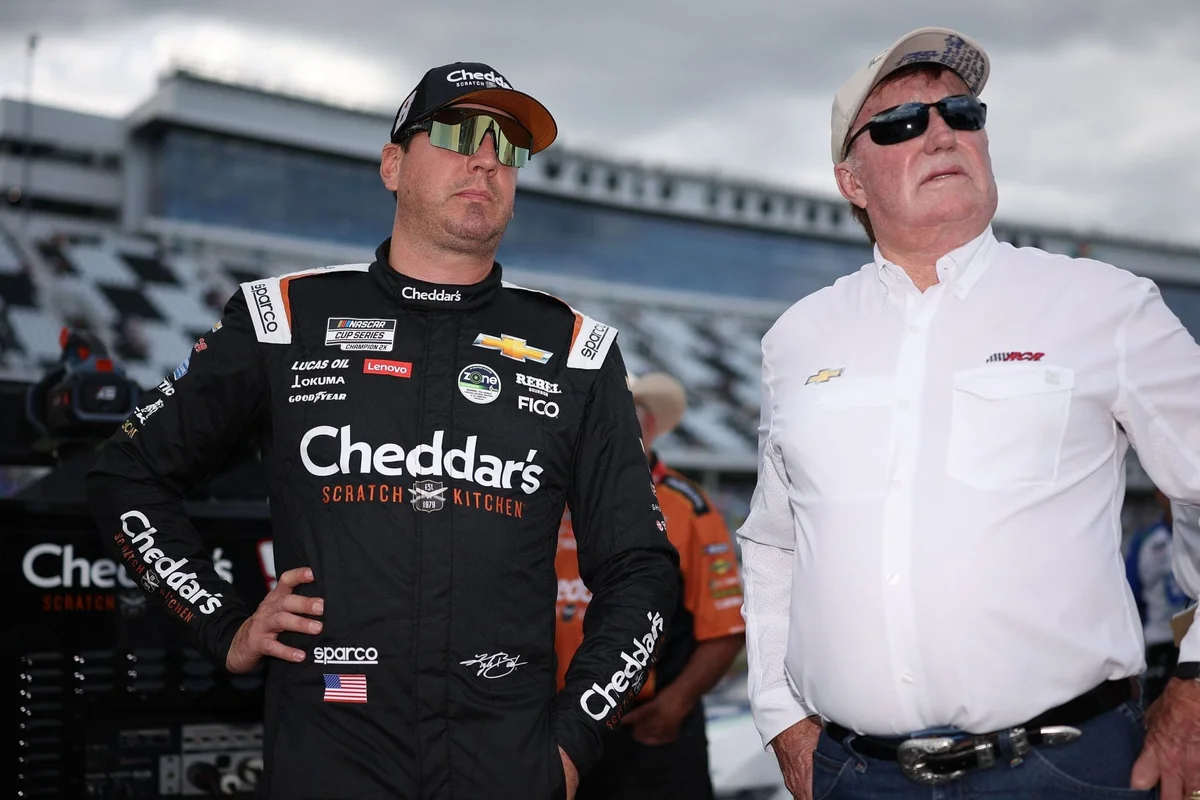
Richard Childress Racing is entering a new era in 2026 as Mike Dillon, son-in-law to Richard Childress, steps into the role of Chief Operating Officer, marking a significant leadership shift. This move comes at a time when the team, a staple in NASCAR since 1969, is aiming to modernize its organization and lay the groundwork for its future, putting a spotlight on the ongoing Richard Childress RCR leadership shift in the Cup Series.
Mike Dillon Steps Into a Pivotal Role
Mike Dillon, the father of drivers Austin Dillon and Ty Dillon, has long held management positions within Richard Childress Racing. With Richard Childress expressing interest in selling his stake and planning for long-term sustainability, Dillon has been promoted to COO. This promotion signals not just a shift in job title, but also an intentional move to secure the team’s leadership within the Childress-Dillon family.
The Hall of Famer and team owner has guided the NASCAR powerhouse through decades of competition, earning seven Cup Series championships alongside Dale Earnhardt in the pre-2000s era. Dillon’s appointment as the direct successor to Richard Childress coincides with the organization’s efforts to adapt and stay competitive as the sport evolves.
Reflecting on this transition, Childress stated,
RCR has assembled a talented team of professionals to help lead our race team into the future. Mike Dillon has already begun assembling top talent for RCR and has a track record of success when working with the competition side of our race team.
– Richard Childress, Team Owner.
Building a New Management Structure for the Future
Mike Dillon began his career at RCR as a driver in the Cup Series but transitioned to management roles after an injury. His experience expanded further when he became a spotter for Clint Bowyer‘s No. 33 car before advancing to the role of General Manager, a position he held until the end of 2025. Elevating Dillon to COO, Childress is preparing for a succession that keeps the team’s leadership—and legacy—close to home.
The organizational shift goes beyond just naming a new COO. John Klausmeier has been tapped as technical director, drawing on two decades of motorsports expertise and a successful record as a crew chief. Klausmeier’s focus will be the technical departments, reporting directly to Dillon. Additionally, Andy Street will become performance director and serve as crew chief for RCR’s part-time No. 33 entry.
These appointments are part of a comprehensive strategy to inject fresh energy into the team while ensuring that the Childress vision and standard of excellence are maintained. As Childress moves toward a future where he may eventually step down, his approach points to a sharp focus on preserving continuity and reinforcing family involvement at the executive level.
Nepotism or Forward-Thinking Succession?
The Dillon family has been intertwined with Richard Childress Racing for many years, with Austin Dillon’s early appointment as a driver previously drawing criticism. Denny Hamlin summarized the perception among some in the NASCAR community, stating,
First of all, he got his ride because of his name.
– Denny Hamlin, NASCAR Driver.
Despite mixed results in recent seasons—Austin Dillon has not secured a Top-10 in the Cup Series standings since his debut, while teammate Kyle Busch achieved three wins in his first year with RCR—the team’s owner appears firm in his succession plan. Childress articulated his long-term aspirations, saying,
I would like for it (Richard Childress Racing) to be running 60 years from now,
– Richard Childress, Team Owner.
This generational approach underscores Childress’s desire for lasting impact rather than short-term gains. While fans and observers often debate the fairness of key appointments, especially when performance does not always match tenure, the organization’s structural changes indicate a strategy based on trust, legacy, and continuity.
Comparing Performance: The Dillons and the Competition
On-track results have long factored into perceptions about RCR’s management decisions. Austin Dillon’s career, though including race wins in 2024 and 2025, has not matched the immediate successes of high-profile teammate Kyle Busch. The statistics, when contrasted, fuel conversations about merit versus family ties. Busch’s victories and seasoned standing in NASCAR spotlight the challenge the next generation faces in stepping out from established shadows.
Ty Dillon, meanwhile, has yet to make a significant mark among Cup Series drivers, adding another layer to the discussion of the team’s direction. However, Childress’s pattern of keeping key roles within trusted family hands demonstrates his preference for stability while ensuring those who rise through RCR’s ranks understand its unique culture.
What Lies Ahead for Richard Childress Racing?
The latest changes at RCR represent more than just a shift in executive titles; they signal how the organization intends to safeguard its identity as the sport’s landscape shifts. Upcoming seasons will test whether the mix of fresh leadership and enduring family legacy provides the competitive edge Childress seeks, or if calls for broader opportunities within the roster will intensify.
The Richard Childress RCR leadership shift places the spotlight squarely on family succession, trust in internal talent, and the push to stay competitive in one of America’s most demanding racing series. As the 2026 Cup Series season approaches, the motorsports community will be watching closely to see how these changes unfold and shape the future of this storied racing team.