
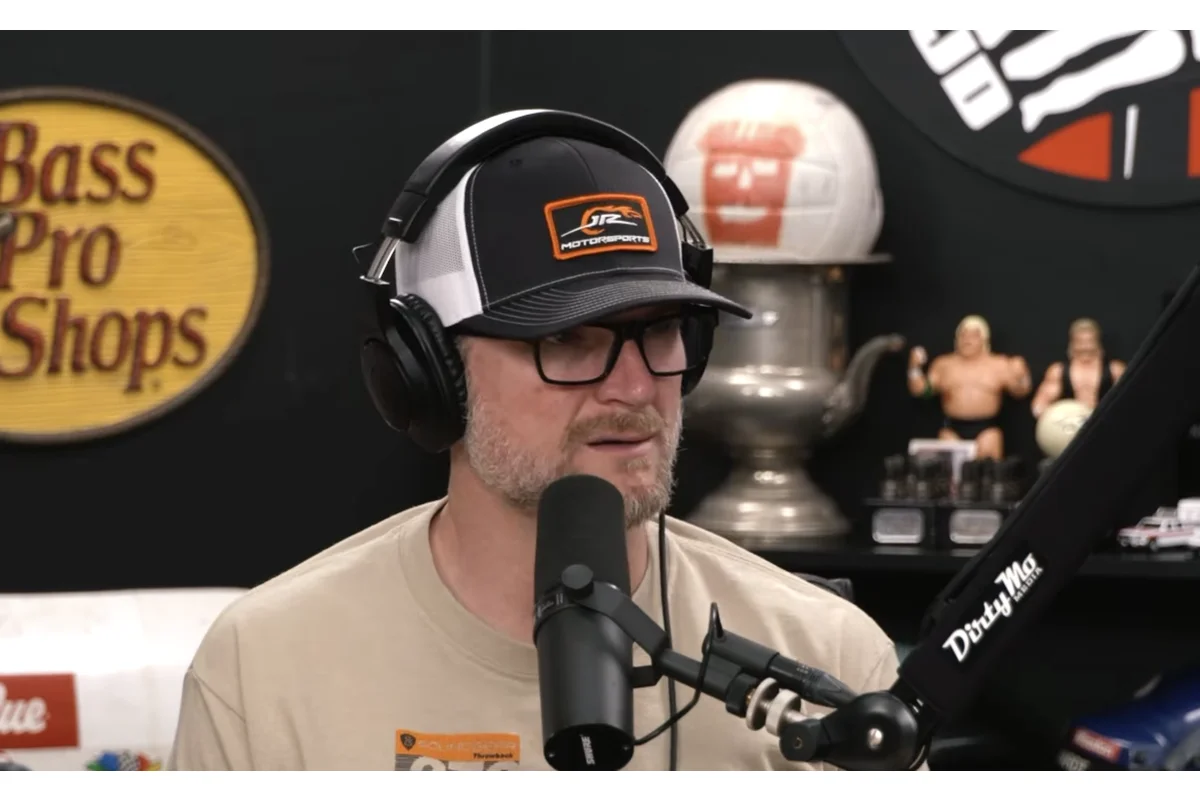
Dale Earnhardt Jr. has shared new insights on how the NASCAR committee came to adopt the 2026 championship format, following months of intense negotiations among drivers, sport officials, media, and broadcasting partners. The final decision establishes a revamped playoff structure driven by broad input, putting the focus back on season-long consistency—addressing long-standing frustration voiced by key figures across NASCAR, including Earnhardt himself.
NASCAR’s New Playoff Era for 2026
NASCAR’s decision announced on January 12, 2026, marks a shift back toward the Chase format with a 26-race regular season followed by a 10-race playoff for the top 16 drivers. Unlike recent years, the new system eliminates mid-playoff eliminations, point resets, and a winner-take-all championship race at Phoenix, placing greater value on performance week in and week out throughout the Chase. Instead, the championship will be decided by the driver who accumulates the most points across those crucial final 10 races.
The direction of this change was the result of vigorous internal debate and committee meetings involving a wide cross-section of NASCAR stakeholders, aiming to find a fair and engaging format for competitors and fans alike.
How the Playoff Committee Process Unfolded
Dale Earnhardt Jr. explained the details of this collaborative process on his “Dale Jr. Download” podcast, highlighting the diversity of perspectives present from the very first meeting.
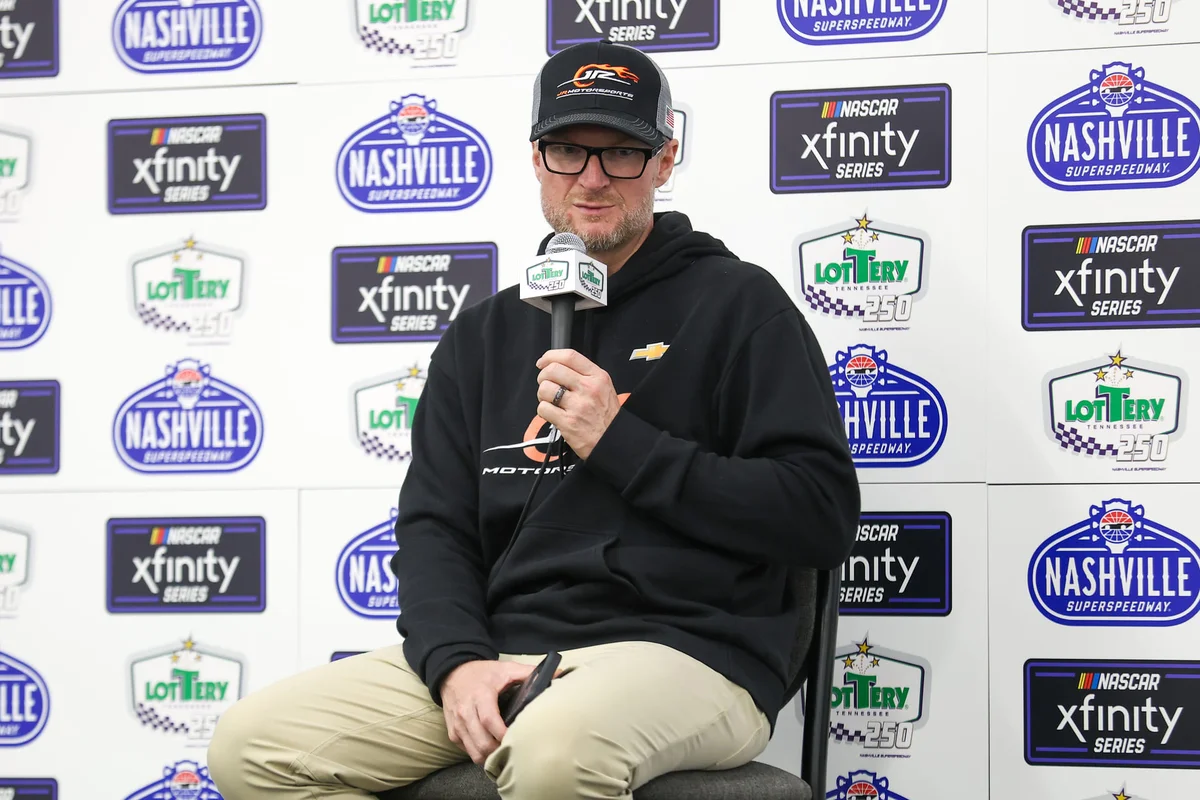
“We got an email sometime in the middle of last offseason asking if I wanted to be part of the committee. I said yes, but I didn’t know who else was involved. Then we get to Daytona for the first in-person meeting, and we walk into this room at the top of the grandstands. Drivers, NASCAR people, network folks, media. Just a lot of voices.”
– Dale Earnhardt Jr., former NASCAR driver and committee member
The scale of the group left Earnhardt Jr. initially skeptical about reaching a consensus, especially given the conflicting interests between various stakeholders.
“My first thought was this is going to be noisy, and how I might get lost. I looked around the room and thought, I don’t know how you convince the networks to let go of what they want to hang on to.”
– Dale Earnhardt Jr., former NASCAR driver and committee member
Momentum shifted during discussions when drivers like Christopher Bell genuinely voiced what they wanted from the championship format and what they felt the competition should represent.
“But once we started talking, it changed. Christopher Bell and a couple of other drivers were really honest about how they wanted the sport to feel. That mattered. Hearing it straight from the drivers mattered.”
– Dale Earnhardt Jr., former NASCAR driver and committee member
Mark Martin’s Persistent Push for Consistency
Within these discussions, Mark Martin became a crucial advocate for a full-season points system, emphasizing consistency and rewarding excellence over all 36 races.
“Mark Martin put his foot down right out of the gate. Thirty-six races. That was it,”
Earnhardt Jr. said.
“A lot of credit goes to him, and it’s deserved. He didn’t waver.”
– Dale Earnhardt Jr., former NASCAR driver and committee member
Martin’s steadfast position kept the idea of dropping playoffs entirely at the forefront longer than many expected, forcing a deep evaluation of the championship’s purpose and how it should be won.
“If Mark hadn’t been that adamant early on, I don’t know that we’d have gotten this far,”
Earnhardt Jr. said.
“He really put his neck on the line.”
– Dale Earnhardt Jr., former NASCAR driver and committee member
Ultimately, the committee found agreement on a middle ground—retaining a playoff with a 10-race Chase, but stripping away eliminations and reset mechanisms. The outcome keeps postseason racing relevant but pivots the emphasis to consistent performance, rather than high-stakes shootouts.
A Fan’s Perspective and Changing Interest
For Earnhardt Jr. personally, the previous playoff formats diminished his own engagement as both an industry insider and fan.
“At the same time, I’d kind of lost it as a fan. I wasn’t being pulled in every weekend. I knew who was in the playoffs. I’d think I’ll catch the highlights later. I didn’t need to tune in.”
– Dale Earnhardt Jr., former NASCAR driver and committee member
He noted that having a single race all but decide the championship made earlier races less meaningful for fans, undermining the value of the regular season.
“It got to the point where I didn’t want to watch a full season just to see it come down to Phoenix and four guys,”
Earnhardt said.
“It felt like too much luck.”
– Dale Earnhardt Jr., former NASCAR driver and committee member
By contrast, he believes the newer format gives proper weight to early results and keeps drivers—and fans—invested from Daytona all the way through the Chase.
“I’m excited about a season where how you run at Daytona and Atlanta matters,”
Earnhardt said.
“If you start cold, you’re in a hole. That’s hard to dig out of.”
– Dale Earnhardt Jr., former NASCAR driver and committee member
The 2026 Chase design is a direct outcome of collaboration between drivers, long-term officials, and others close to the sport, incorporating Dale Earnhardt Jr., Mark Martin, and Christopher Bell, among others. With this new system, NASCAR aims to revive competitive tension over an extended stretch while retaining the postseason dynamic that has defined recent years. Many in the sport are now watching closely to see whether this compromise brings back the excitement and long-term engagement the committee was determined to restore.


