
The NASCAR organization has unveiled a significant change to its playoff format, moving away from the elimination system in place since 2015. Veteran figure Dale Earnhardt Jr has spoken candidly regarding how the previous playoff structure dimmed his passion for the sport, reflecting sentiments found among both race fans and competitors.
Understanding the Previous Playoff Approach and Its Divisiveness
In recent years, NASCAR relied on a “win and you’re in” playoff system. This format guaranteed a driver a playoff spot simply by securing a race win, regardless of their overall season performance. Critics, including drivers and fans, argued that this diminished the importance of consistency, as a single victory could overshadow poor performance throughout the season. This change aimed to create excitement and a so-called “game 7 moment” at season’s end, but it left many participants frustrated with its unpredictable and sometimes unfair results.
Fans and Drivers Call for a Return to Consistency
The latest modification signals a shift back toward prioritizing week-to-week performance. Under the new system announced, the first 26 races of the season determine the regular-season standings. The top 16 drivers at the conclusion of these races advance to a final 10-race battle—an updated version of the Chase format last used between 2004 and 2014. The points leader begins the Chase with a 25-point advantage over the second place, followed by additional point separations in 5-point increments among competitors. Unlike the previous method, there will be no more eliminations or auto-advancement via individual wins; instead, a reset in points allows the top driver at the end of the Chase to claim the championship.
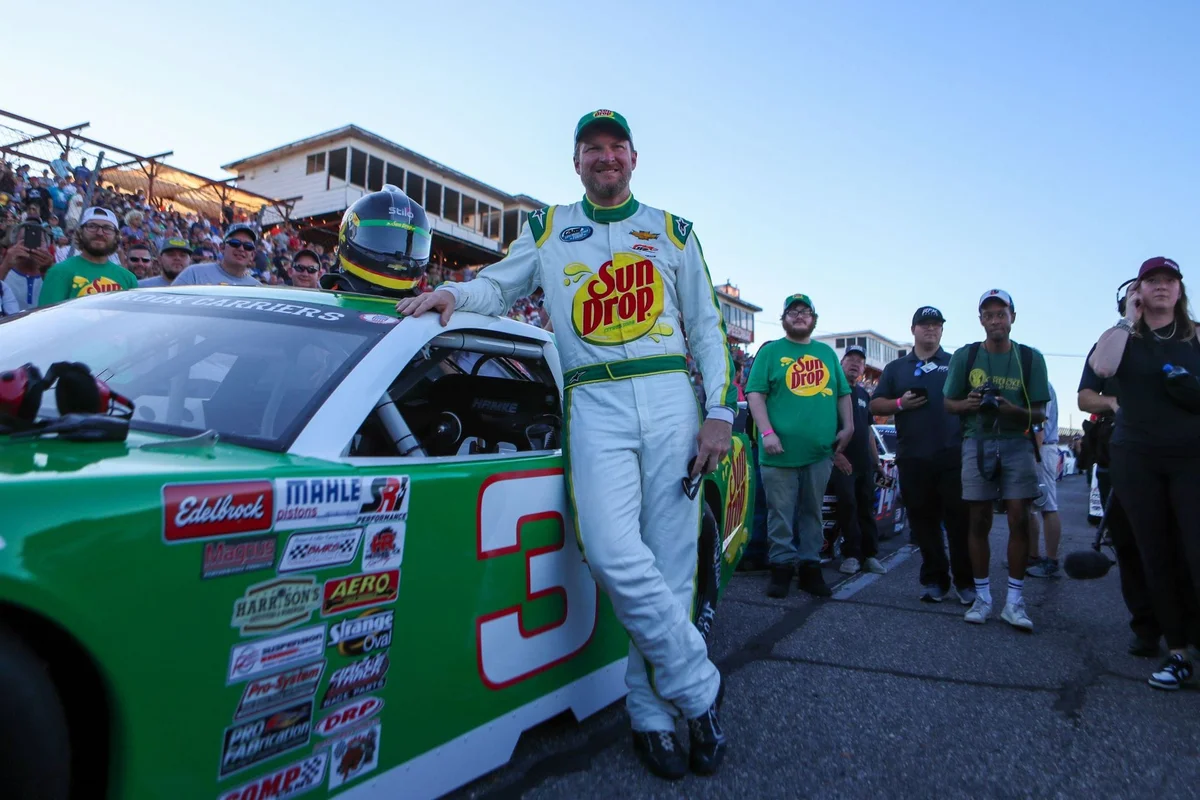
This latest scheme also increases the number of points awarded to the winner of each race, moving from 45 to 55. Stakeholders hope this elevates the value of each event, ensuring that a single bad result truly impacts a team’s championship hopes, and rewarding drivers who perform consistently across the season.
Dale Earnhardt Jr Expresses Personal Disenchantment with Playoff Format
On his podcast, Dale Earnhardt Jr openly expressed that even as someone deeply intertwined with NASCAR, the previous playoff format sapped his enthusiasm for following races week after week. He acknowledged that the elimination style made the stakes feel artificial and the results overly influenced by chance, dulling the emotional highs and the significance of each race’s outcome.
“With the old system and this system that we’re bringing back, if you start off in a hole four weeks in a row, if you come out of the gate cold… you got a lot to consider. That wasn’t the case last year. You’d get in a hole and pop off a win, everything was fixed…”
— Dale Earnhardt Jr., Broadcaster and Team Owner
“I need the lows to be f—ing low. I need the highs to be high. And we had lost that.
The highs weren’t as high. Your driver would win a race in the 5th race of the season, yeah it was great, he’s in the playoffs, but other than that… And if he had a bad race, he didn’t care. He didn’t even care… But not anymore. Bad weeks are going to affect your ability to really go win a championship in that Chase.”
— Dale Earnhardt Jr., Broadcaster and Team Owner
The Effects of Recent Changes on Fan Engagement
The structure of the “win and you’re in” playoff not only influenced competitors but also long-term fans such as Dale Earnhardt Jr. He recalled missing the sense of urgency and consequence that a traditional points season provided, a feeling echoed by many supporters of the sport. He revealed a personal disconnect that developed due to the predictable playoff entries and lack of tension throughout the year.
“When we had that full season points, you couldn’t take a week off as a fan because that race might be the race where your guy breaks a motor and gives up 180 points. That race that’s in the middle of the year, that seems like it’s not really that important, could be the one that loses you the championship. And we had lost that. I had lost that.
I was not being drawn to the sport every weekend. I was not wanting to devour it up. I was sitting there going, ‘You know what, I kinda know who’s in the playoffs so I can kinda check out.’ … I can miss this one. I don’t need to tune in today. I’m not drawn to it…”
— Dale Earnhardt Jr., Broadcaster and Team Owner
“I was falling out of love with it. I really was… What we were and had become was so far removed and so gimmicky and contrived and complex, hard to f—ing follow, so I was not looking forward – I had gotten to the point to where it was like, ‘Man, I don’t want to watch this season because they’re just going to go all the way to Phoenix and four guys are going to see who goes and wins it.’
It’s too much happenstance. Too much potluck. I need to really truly watch this person build this body of work… There was a lot about it that was just falling away from me. I was falling out of love with it.”
— Dale Earnhardt Jr., Broadcaster and Team Owner
The Role of Veteran Voices in Shaping the Playoff Format
Figures such as Dale Earnhardt Jr and Mark Martin played pivotal roles in discussions about the playoff changes. With decades of cumulative experience, their input shaped the new format and ensured the concerns of race fans and teams were addressed. While Earnhardt Jr’s frank admissions might not have been easy for him to share, his visibility in the sport makes his opinion especially influential, both as a broadcaster and as an owner.
His transparency underlines how drastic changes in NASCAR playoff rules can affect even those closest to the sport. The high level of scrutiny and emotional investment by stakeholders and fans alike drove NASCAR to consider a format that values both weekly competition and season-long excellence.
Impact and Prospects for the Future of NASCAR Playoff Racing
Despite persistent calls for a return to a full-length, 36-race cumulative points system, the new Chase approach has been received as a meaningful middle ground. Dale Earnhardt Jr’s candid perspective resonates with countless supporters and guides the ongoing debate about what is best for the sport’s future. The updated system signals NASCAR’s recognition of concerns, prioritizing consistent performance and making each race count in the championship picture.
As the new season approaches, fans and participants will watch closely to see if these changes reignite the suspense and dedication that characterized past eras of NASCAR. The organization’s willingness to listen to veteran insights reflects a desire not just to entertain, but to restore the deep connections that have defined NASCAR racing for generations.