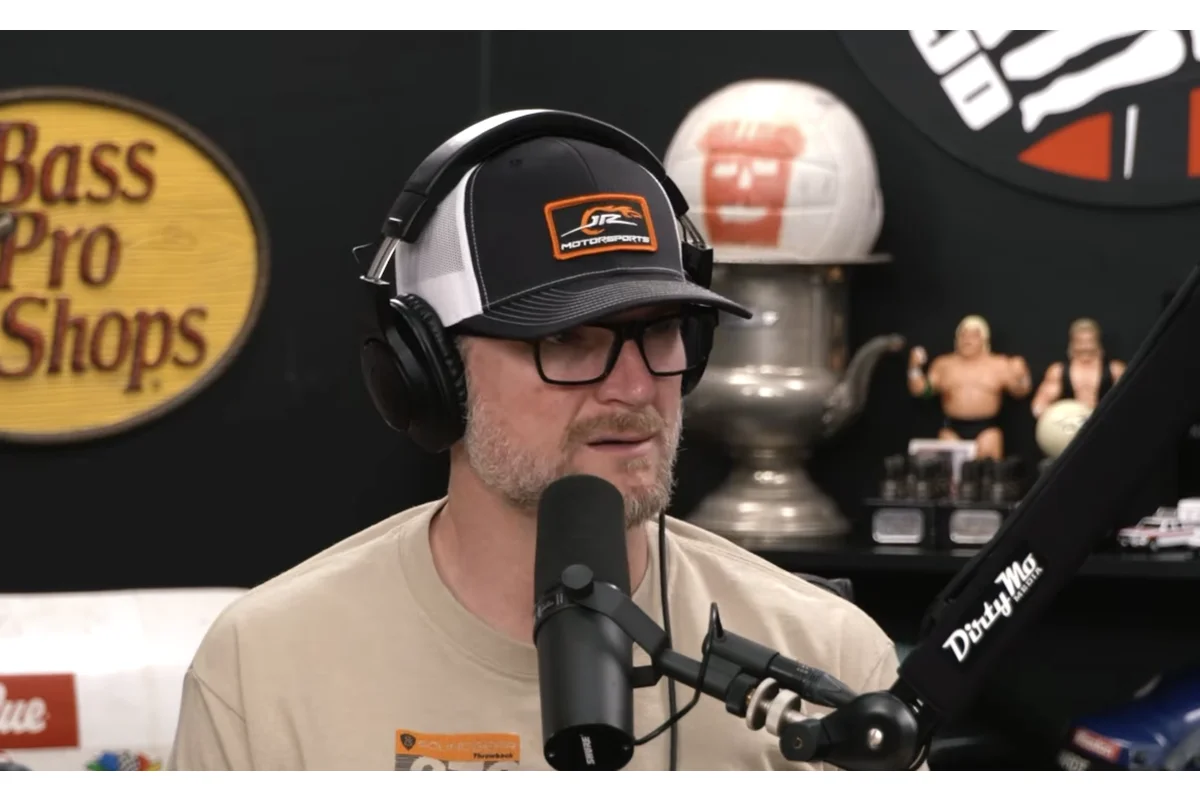
Dale Earnhardt Jr. has voiced pointed criticism over recent rule changes in NASCAR, especially a policy that offers new OEM entrants guaranteed starting positions in races beginning in 2026. The Dale Earnhardt Jr NASCAR criticism comes after NASCAR outlined a sequence of updates meant to reshape competitiveness and qualification in the series.
NASCAR’s New Policies Draw Mixed Reactions
NASCAR is pushing forward with sweeping changes, including a provision that grants up to four guaranteed starting spots for any new OEM entrant in their first three events if they fail to qualify, beginning in 2026. These entrants will be allowed to earn points despite not having made the cut through traditional qualifying speeds, though they will not receive prize money. The sanctioning body also announced an age-limit reduction for competitors, now permitting 17-year-olds to race on tracks 1.25 miles or shorter or on road courses—a departure from the previous minimum age requirement of 18. Additionally, a clarification has been introduced regarding the fastest lap bonus: drivers who visit the garage and return are ineligible for the point unless they set the lap before entering the garage.
These updates arrive on the heels of earlier structural changes, including the implementation of permanent charters and a reversion to the popular ‘Chase’ championship format. NASCAR officials argue that the latest adjustments keep the sport accessible and dynamic for up-and-coming teams and drivers but have drawn skepticism from established figures within the racing community.
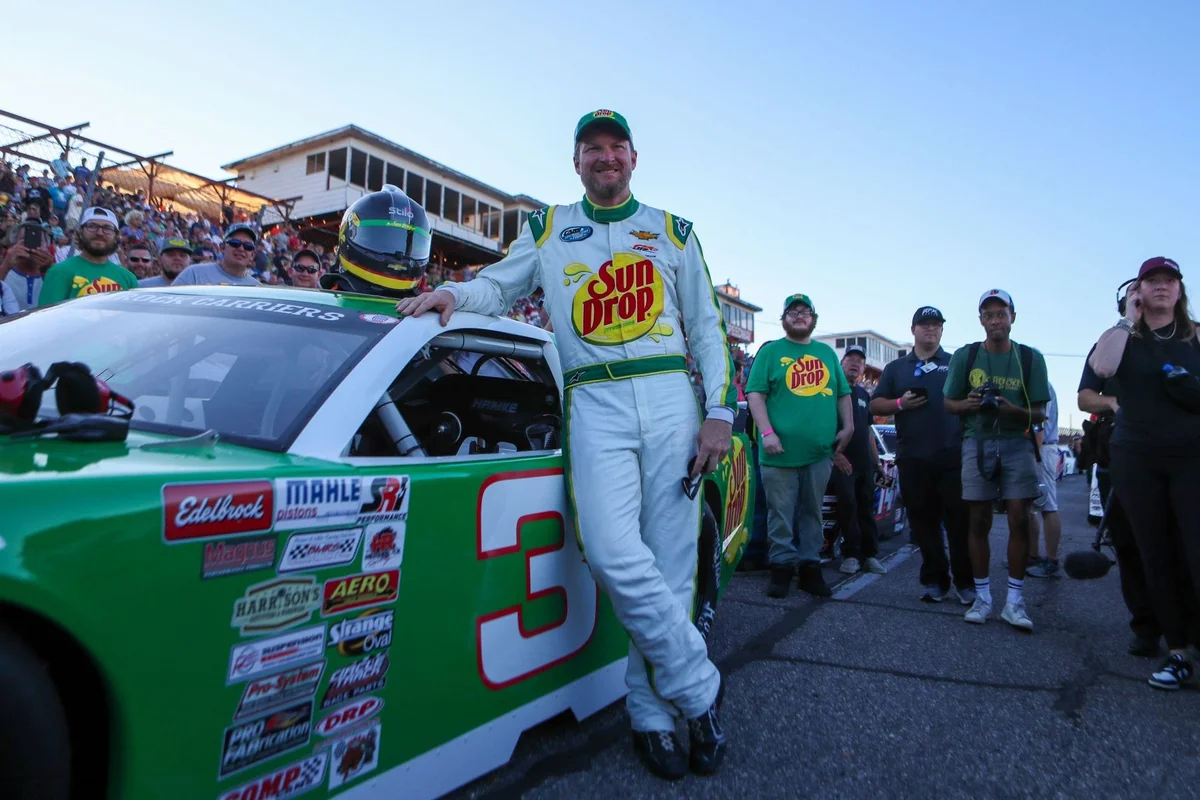
Dale Earnhardt Jr.’s Stand Against the New OEM Provision
Veteran driver Dale Earnhardt Jr. didn’t hold back in expressing discomfort with these recent rules, especially the one designed to benefit new OEMs. In a recent online exchange under a post by reporter Jordan Bianchi, Earnhardt made his dissatisfaction clear:
“I don’t like some of these,”
he wrote.—Dale Earnhardt Jr., driver
He went further, challenging the spirit of competition the policy introduces:
“If I were a new OEM I would reject this provision and demand to earn my spot,”
he added.—Dale Earnhardt Jr., driver
Earnhardt’s comments reflect concerns that enabling automatic entry minimizes the importance of achieving qualifying speeds, a traditional hallmark of motorsports competitiveness. The changes resemble the previously introduced Open Provisional Exemption, which allowed experienced drivers—like Jimmie Johnson in the Daytona 500—to secure a race start regardless of their qualifying results. While such measures promote inclusivity and market growth, veteran participants like Earnhardt suggest they risk undermining the core meritocratic ethos of NASCAR racing.
Potential Impact on Teams and Existing OEMs
While the updated provision offers new OEMs a safety net for onboarding into the top tier, existing manufacturers and long-standing partners may feel pressure from increased competition. Longtime observers suggest this could shift the traditional balance between established teams and ambitious newcomers, affecting both sporting dynamics and manufacturer relationships. Earnhardt Jr., referencing competitors such as Harrison Burton and teams like Wood Brothers Racing, underlined his belief in rewarding speed and consistency rather than automatic advancement.
NASCAR’s modifications seem partly influenced by scenarios seen in recent seasons, where backmarker teams could qualify for the playoffs and substantial prize money due to one-off wins rather than sustained performance. This has raised questions about how best to incentivize true season-long excellence.
Earnhardt Jr.’s Preference for the New Chase Format
Earnhardt Jr. also shared his sense of relief at NASCAR’s decision to move away from the previous elimination-style playoff system, which he believed sometimes rewarded luck or singular success over consistency. The new Chase format returns focus to overall season results instead of single-race outcomes to decide championships. He spoke on the Dale Jr. Download podcast about his views on the playoff overhaul:
“I’m so glad win-and-you’re-in is gone. I loved that when it was me. I love that when it’s my favorite driver. But I’m glad it’s gone.”
—Dale Earnhardt Jr., driver
He has occasionally questioned the legitimacy of titles awarded under the single-race-decider approach, noting Joey Logano‘s 2024 championship as an example. Though Earnhardt concedes the rule is fair for those who win under it, he remains unconvinced it’s the ideal way to crown champions.
Moreover, Earnhardt pointed to the recent experience of Harrison Burton’s Wood Brothers Racing earning a playoff spot through a solitary Daytona win. The fact that a single victory can transform a season for both drivers and teams, including an estimated $2 million bonus for playoff qualification, demonstrates the significant stakes tied to NASCAR’s playoff decisions.
Future Outlook for NASCAR Competition
The 2026 NASCAR rule changes have ignited a robust debate about the balance between innovation and tradition within the sport. Dale Earnhardt Jr.’s candid response has highlighted growing tension among drivers, teams, and manufacturers over how best to maintain integrity and meritocracy in racing. With established competitors and newer OEM entrants set to share the grid under new regulations, fans and stakeholders alike will be watching closely to see how these changes reshape the competition, team strategies, and the championship chase in seasons to come.
If I were a new OEM I would reject this provision and demand to earn my spot.
— Dale Earnhardt Jr. (@DaleJr) January 16, 2026