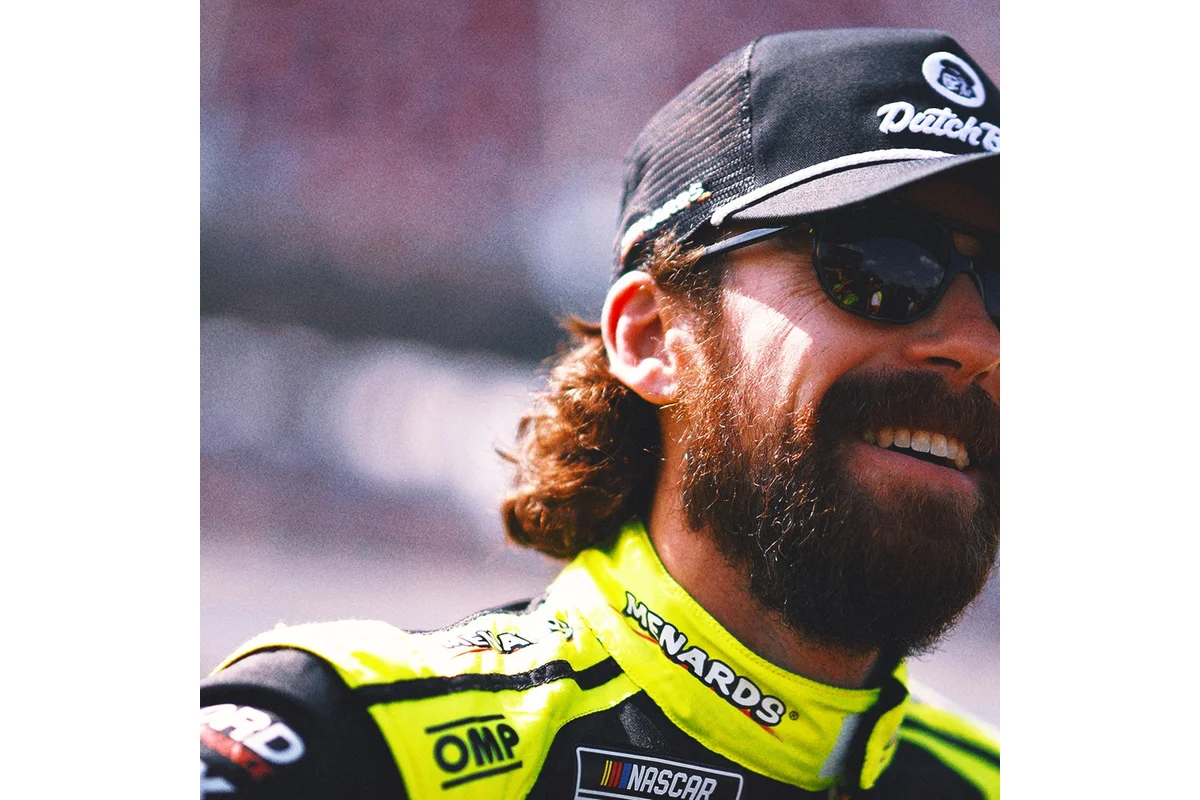
Ryan Blaney, the reigning Team Penske Racing champion, has openly criticized the impact of recent NASCAR playoff formats, expressing concern about the erosion of respect in racing as the sport prepares to revert to its original Chase format in 2026. Blaney’s comments highlight the significant Ryan Blaney NASCAR playoffs impact felt by teams, drivers, and fans, pointing to a loss of traditional values and sportsmanship in stock car racing.
NASCAR’s Format Shakeup and Its Effects
The upcoming 2026 NASCAR season marks a significant return to the 10-race Chase format, which many in the racing community believe will help restore the championship’s legitimacy. Over years of experimenting with the “winner takes all” playoff structure, NASCAR saw a decline in fan engagement and a shift away from its most respected traditions. According to observers, the old format rewarded consistent excellence, but as aggressive, desperate tactics became more prevalent among competitors seeking playoff spots, the sport’s core values came into question.
Ryan Blaney, who drove to championship victory with Team Penske Racing in 2023, is among the most vocal supporters of reverting to the previous format. He contends that the heightened stakes under the current playoff system have encouraged drivers to be more reckless, justifying questionable decisions with the pressures of the format. Instead of pure racing, the allure of massive playoff payouts has led some drivers and teams with slim chances at victory to resort to aggressive or “dirty” tactics, undermining respect on the track.
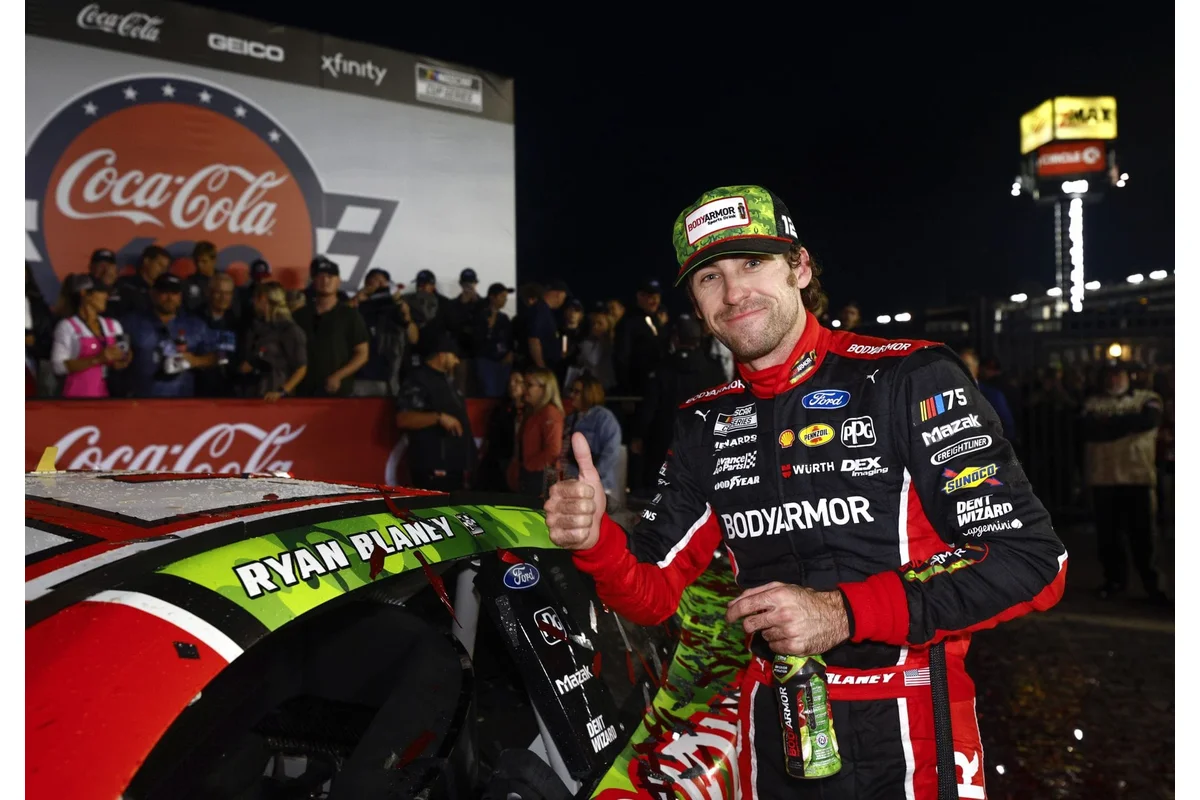
Drivers Adapting to a Changing Environment
Blaney has repeatedly stressed that the atmosphere in NASCAR has shifted, with fewer competitors prioritizing respect and sportsmanlike conduct. The playoff structure, he says, offered “the lamest excuse” for behavior that would have been unacceptable in previous eras of the sport. He has observed that drivers who are not able to secure their spot through points often feel compelled to take bold, sometimes dangerous actions to qualify for the postseason, diluting the spirit of fair racing.
“I think it’s definitely gone away. And I think the format, for the longest time, pushed that. Guys would have the excuse like, well, I had to do it. I didn’t want to do it, but I did it. That’s the lamest excuse in the world. But I understand it, because that’s what the format was.” Ryan Blaney told Peter Stratta of TSJ Sport.
Reflecting further, Blaney discussed how these changes go against the upbringing and lessons handed down by earlier generations, including his own father and celebrated veterans like Mark Martin and Dale Earnhardt. The loss of “give respect, get respect” on the track signals, in his view, a fundamental departure from the values that built NASCAR’s reputation.
“Teams who are outside looking in can’t get in on points. You’ve got to take your shot to win, and it would get pretty dirty. And that takes away from the purity of racing to me. I grew up with give respect, get respect, and race people how they race you.” Ryan Blaney added.
Blaney’s nostalgia for a time when drivers earned and traded respect underscores what many veteran drivers also feel: the need to bring honor and fairness back into the sport. He hopes the return to the original Chase format will encourage drivers to race with integrity, following the example set by the legends of previous decades.
“That’s what I got in my mind as a kid with my dad. That’s how I grew up, and that’s how I am. So, I hope it gets back to that. It’s where the respect level was when Mark and Dale were here. We’ve kind of lost that a little bit in the last 10 years or whatever, and I hope that comes back.” Ryan Blaney added.
Potential for Dominance with the Restored Format
During his conversation with Peter Stratta, Blaney was also asked about the possibility of drivers achieving prolonged dominance similar to Jimmie Johnson’s era, now that the playoff structure is reverting. He acknowledged that such streaks could certainly return, as teams and drivers that excel consistently across the revamped Chase might find themselves in control, just as Johnson did in his prime.
“Maybe! You could see it. You could see a team just go on a terror for these ten weeks, like Jimmie was able to do… It’s amazing what they can do at all these different types of tracks and not have any trouble in go to execute into their job for 10 weeks.” Ryan Blaney said.
Blaney’s outlook reflects a belief that the format change won’t just restore sportsmanship but could also set the stage for dominant campaigns by those able to master the schedule, equipment, and strategy. He points to drivers like Kyle Larson, William Byron, and Christopher Bell as potential candidates for consistent, season-long excellence. The expectation is growing that the modified playoffs will reward skill and teamwork over short-term aggression and risky maneuvers.
The Road Forward for NASCAR
With the 2026 Chase format reinstatement on the horizon, NASCAR is aiming to reclaim its heritage while adapting to modern challenges. Veteran voices like Ryan Blaney’s amplify the concerns many stakeholders share about the Ryan Blaney NASCAR playoffs impact on competitive integrity and fan loyalty. The return to an earlier playoff system could mark a turning point, restoring respect and credibility not only among racers but also with the families and fans who have defined the sport’s culture for generations. Observers are keenly watching, wondering whether this policy shift will bring NASCAR back to its respected roots while re-energizing the community for seasons to come.
.@Blaney says respect was lost under the Playoffs era and hopes The Chase brings legitimacy back to racing. #NASCAR pic.twitter.com/PTIjhgm2nN
— Peter Stratta (@peterstratta) January 12, 2026