
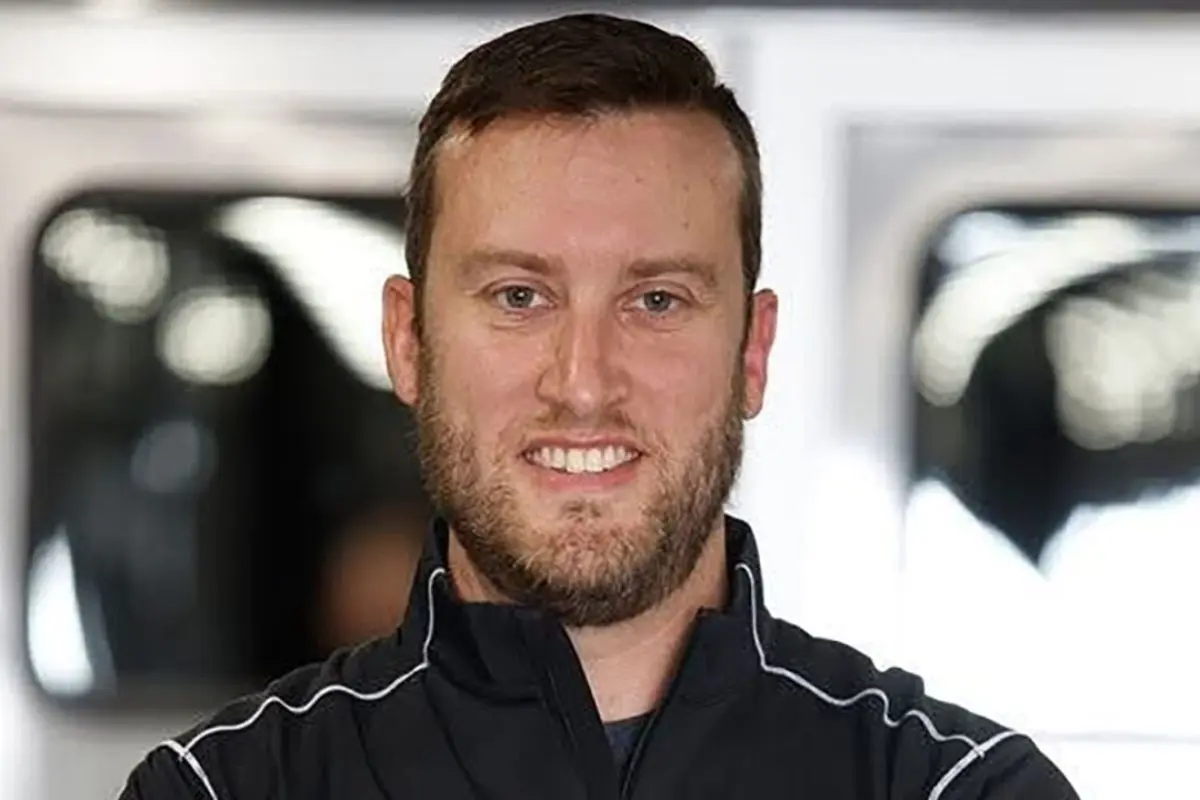
Aaron Kramer talks about maximizing HFT’s potential by selectively assimilating expertise from RFK Racing. This calculated integration focuses on leveraging RFK’s advanced engineering solutions and data analysis methodologies. Despite limited assistance, HFT refines racing strategies and fosters innovation by optimizing shared resources and cultivating a culture of continuous learning.
Key Highlights
- Aaron Kramer emphasizes the importance of strategic collaboration with RFK Racing to enhance Haas Factory Team’s performance.
- Limited assistance from RFK fosters independence and innovative problem-solving within the Haas Factory Team.
- Kramer highlights the balance between rivalry and collaboration to drive mutual growth and competitive integrity.
- Sharing technical insights with RFK Racing helps Haas Factory Team adapt to Next-Gen car specifications efficiently.
- Effective resource allocation between teams is crucial for maximizing Haas Factory Team’s competitive potential in NASCAR.
The Legacy of Stewart-Haas Racing
Stewart-Haas Racing stands as a representation to the revolutionary power of tactical partnerships in NASCAR history. The inception of this powerhouse entity, born from the alliance between Gene Haas and Tony Stewart in 2008, reshaped the competitive landscape of the sport.
Prior to this collaboration, Haas CNC Racing, under Gene Haas, struggled to make considerable inroads, evidenced by Mike Bliss’s near-miss during the 2005 All-Star Race. However, the strategic inclusion of Tony Stewart not only infused the team with seasoned expertise but also catalyzed a change that led to two NASCAR Cup Series championships in 2011 and 2014, along with an impressive tally of 70 Cup race victories.
The success of Stewart-Haas Racing highlights the critical importance of synergy in motorsport endeavors. Tony Stewart, leveraging his racing insight and leadership, became the linchpin in converting Gene Haas’s aspirations into a formidable competitive force. This partnership exemplified how aligning robust driving talent with visionary ownership can yield a dynasty that etches its name in the annals of NASCAR history.
Yet, as the golden era of Stewart-Haas fades into nostalgic memory, the team’s legacy continues to inspire. The narrative of Stewart-Haas Racing is a demonstration to the transformative potential inherent in well-executed tactical collaborations.
Haas Factory Team’s New Direction
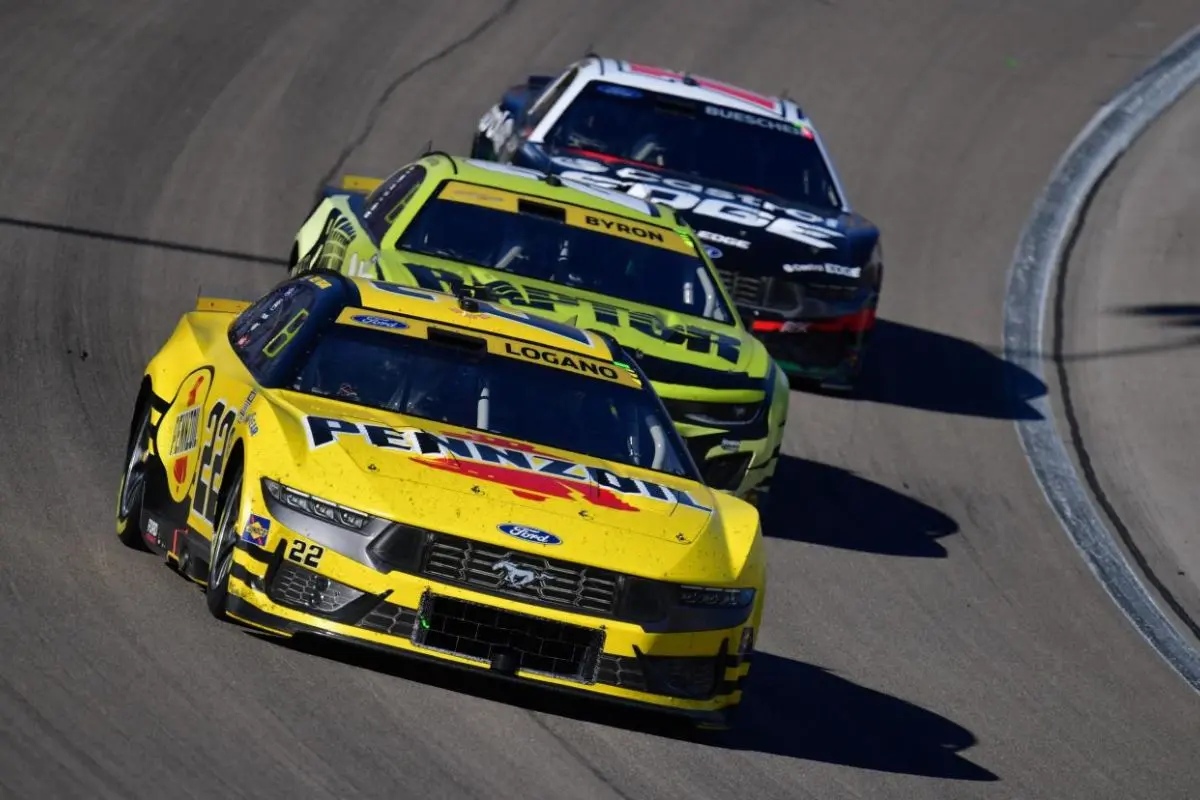
As Stewart-Haas Racing began winding down its operations in mid-2024, Gene Haas revealed a tactical vision for the future with the Haas Factory Team. Rooted in a legacy of competitive racing, Haas is focused on crafting a new dynasty. The calculated shift centers on leveraging the existing framework of Stewart-Haas Racing while integrating creative approaches and partnerships to propel the team forward. This pivot is not merely about maintaining status quo but rather about redefining the operational dynamics to achieve sustained success.
Central to this new direction is a collaborative relationship with RFK Racing, a burgeoning powerhouse within Ford’s racing hierarchy. This alliance offers a dual advantage: access to RFK’s state-of-the-art technological advancements and an infusion of fresh perspectives on competitive racing. By embedding these elements, Haas aims to strengthen the Factory Team’s capabilities, ensuring they remain at the forefront of the racing industry.
View this post on Instagram
However, Haas’s vision goes beyond mere collaboration. It involves a meticulous restructuring of the team’s internal processes to improve efficiency and performance. This includes adopting data-driven methodologies to refine race strategies and vehicle performance. The emphasis is on creating a seamless blend of experience and creativity, thereby ensuring that the Haas Factory Team is not only a continuator of its predecessor’s legacy but a pioneer in its own right.
The shift to the Haas Factory Team marks a noteworthy moment for Gene Haas and his vision for the future. With calculated partnerships and a renewed focus on creativity, the team is poised to redefine its place in the high-stakes world of competitive racing.
Brad Keselowski’s Influence at Haas
Brad Keselowski’s arrival at the Haas Factory Team marks a strategic infusion of championship-winning expertise and inventive racing insight. Keselowski, a 2012 NASCAR Cup Series Champion, brings a renewed vigor to Haas, akin to his revolutionary impact at RFK Racing. The latter team’s resurgence, highlighted by both Keselowski and Chris Buescher’s recent successes, emphasizes the potential benefits awaiting Haas.
- Winning Mindset: His championship pedigree instills a culture of winning, an intangible asset vital for Haas as it navigates the competitive NASCAR landscape.
- Technical Skill: Keselowski’s deep engagement with RFK’s technical operations has resulted in notable performance improvements, a blueprint Haas aims to replicate.
- Tactical Alliances: His ability to foster successful partnerships is essential, enhancing Haas’ capacity to utilize RFK’s insights effectively.
Gene Haas’ decision to engage Keselowski reflects a calculated move to harness his racing insight for the Haas Factory Team’s growth.
While Tony Stewart’s departure signaled the end of an era, Keselowski’s entry heralds a future ripe with opportunities. His knack for revitalizing RFK Racing, evidenced by snapping his own 103-race winless streak and making the playoffs, speaks volumes of his potential impact.
Aaron Kramer, now steering the HFT No. 41 as crew chief, recognizes this alliance as a “pseudo-fourth car,” indicating the depth of support expected.
“It is probably well-engrained that as far as our visibility into what RFK is doing is what we can hope for. Obviously, we’re in separate buildings, with separate people, different tools, and different ways of putting cars together.”
“This is a pseudo-fourth car in terms of the support we’re going to get.” – Aaron Kramer
With Keselowski’s influential presence, Haas is poised to adopt a new chapter, blending legacy with innovation in pursuit of success.

Competitive Nature of the Technical Alliance
The specialized alliance between the Haas Factory Team and RFK Racing is marked by a razor-sharp competitive edge, where collaboration and rivalry exist in a delicate balance. This relationship is defined by the exchange of technical insights and performance strategies while maintaining a fierce on-track rivalry.
Aaron Kramer, a crucial figure in this dynamic, acknowledges that while the alliance allows for the sharing of setups, race theories, and information, it does not include any preferential treatment on the racetrack itself.
“They’re not going to do us any favors on the racetrack. We’ll still go out there to race. But as far as getting information, set-ups, and different race-car theories and ideas from them…I’m excited for it.” – Aaron Kramer
Kramer, who possesses direct experience from his tenure as a lead race engineer at RFK, highlights the inherent competitive spirit embedded within Keselowski’s team. He emphasizes that beating one’s teammate is a primary motivator, suggesting that the competitive ethos is deeply ingrained. This mindset is unlikely to waver even with the technical partnership, as both parties remain steadfast in their commitment to racing excellence.
Brad Keselowski’s ascension as a Ford team owner amplifies this competitive landscape. His influence emphasizes the importance of maintaining a rigorous competitive standard, ensuring that all teams, including Haas, must continually endeavor to outperform each other.
“The years that I was there, the first car that you wanted to beat was your teammate. So that same attitude is there going forward – just because we have a technical alliance doesn’t mean we’re going to get help that other people would or would not otherwise get.” – Brad Keselowski
This approach fosters a culture where technical alliances are utilized for mutual growth without compromising the competitive integrity that drives motorsport.
Haas Factory Team’s Strategic Vision
In the evolving landscape of NASCAR, Haas Factory Team‘s tactical vision is sharply focused on leveraging the advantages offered by the Next-Gen car. This strategic insight is essential as the Next-Gen paradigm levels the playing field by standardizing components, diminishing the edge previously held by wealthier teams.
With Joe Custer at the helm, the Haas Factory Team is capitalizing on this shift by honing in on distinct areas like driver skills, pit crew efficiency, and strategic expertise.
“We can check the box on the physical parts and pieces and capital investment that we had and the successes we enjoyed at Stewart-Haas were using a different set of tools than the NextGen is offering…So candidly, we’re leaning on Brad (Keselowski) and his group at RFK to add to what our knowledge base is and help us evolve. Strategically, there’s resources that we can offer that can make their program stronger and vice versa.” – Joe Custer
The partnership with RFK Racing, spearheaded by Brad Keselowski, is a cornerstone of HFT’s strategic vision. This collaboration is not merely transactional but symbiotic, where the exchange of expertise and resources is bidirectional.
Custer’s optimistic outlook is rooted in:
- Enhanced Technical Knowledge: Leveraging RFK’s knowledge base to adapt to the Next-Gen car’s unique demands.
- Strategic Resource Distribution: Sharing and optimizing resources to fortify both teams’ competitive stances.
- Legacy Continuation: Building on Stewart-Haas Racing’s storied history by integrating new methodologies.
This approach highlights a pragmatic yet ambitious blueprint, aiming to sustain and enhance the team’s performance in the Cup Series. By integrating Keselowski’s technical skill and strategic innovations, the Haas Factory Team is poised to uphold and potentially surpass the legacy established by Tony Stewart.
As NASCAR’s competitive dynamics evolve, Haas Factory Team’s incisive strategy exemplifies how agility and collaboration can drive sustained success in this new era. This vision not only promises to honor the past but positions HFT for a formidable future.

News in Brief: Aaron Kramer Talks About Maximizing HFT’s Potential
The tactical evolution of the Haas Factory Team, influenced by Brad Keselowski and the competitive dynamics of the engineering alliance, signifies a crucial shift in maximizing high-frequency trading (HFT) potential. By leveraging limited yet impactful support from RFK Racing, the team aims to refine its operational framework and improve competitive performance.
This approach highlights a broader vision of fostering innovation and adaptability within the racing sector, potentially setting a new benchmark for tactical collaboration and technological advancement in motorsports.
ALSO READ: Why RFK Racing Spread Sponsors Across Three Cars? Brad Keselowski Explains the Reason

