
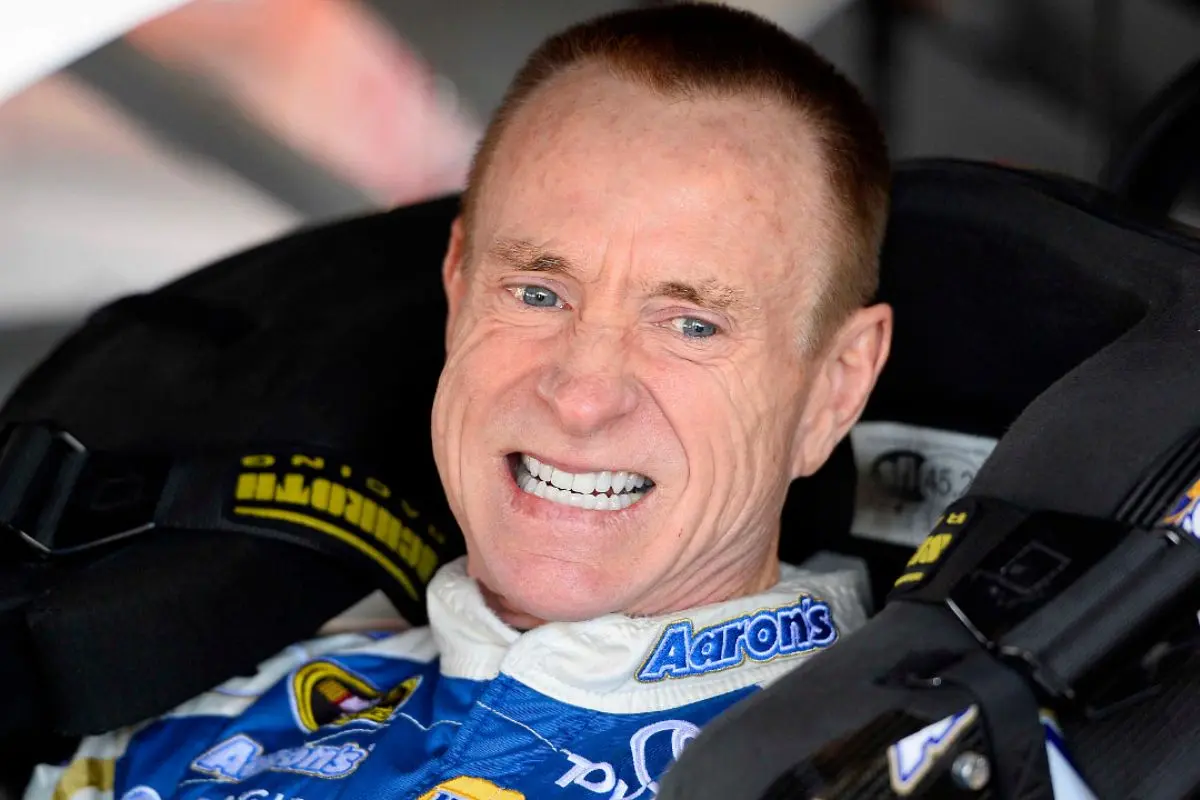
Mark Martin’s 2009 car post on social media has sparked an intense debate over NASCAR’s diminishing horsepower, highlighting a clash between tradition and technological innovation. This ongoing dialogue reflects broader tensions in balancing modern advancements with NASCAR’s traditional roots, posing questions about the sport’s future direction.
Key Highlights
- Mark Martin’s 2009 car post sparked discussions about NASCAR’s declining horsepower and its impact on racing.
- The shift from high to lower horsepower has altered the essence and excitement of NASCAR, according to fans and drivers.
- NASCAR fans express nostalgia for the high-horsepower era, lamenting the loss of thrilling engine sounds and performance.
- Drivers, including Joey Logano, advocate for higher horsepower to improve competitive racing dynamics and tire wear.
- The debate centers on balancing innovative technology with traditional values to maintain NASCAR’s identity.
Mark Martin’s Career and Recent Social Media Post
While reflecting on his illustrious career, Mark Martin has consistently utilized social media as a platform to express his insights and critiques on NASCAR’s evolving dynamics. With a distinguished tenure spanning from 1981 to 2013, Martin’s perspective carries considerable weight in the motorsport community. His tactical use of social media is indicative of his commitment to engaging with current issues, particularly when it involves voicing his concerns about NASCAR decisions.
Martin’s illustrious record includes a remarkable comeback in 2009 with Hendrick Motorsports, a hallmark year where he not only clinched five race victories but also exhibited resilience and skill by securing 14 top-five finishes. His victory at Michigan, starting from an intimidating 32nd position, remains a proof of his adeptness and tenacity on the track. This remarkable feat is a reflection of Martin’s ability to utilize both experience and planning, qualities that have also informed his public commentary on the sport.
Recently, Martin’s social media presence has sparked considerable discussions, especially following his reaction to a racing clip from the 2009 season. This post, while nostalgic, also served as a catalyst for debate among fans, highlighting his influential role in shaping conversations within the NASCAR community.
His commentary emphasizes a broader dialogue about the evolution of racing dynamics and how historical performances are perceived in the context of contemporary developments. By engaging with his audience, Martin not only celebrates past achievements but also invites a critical examination of NASCAR’s path, inviting fans and analysts similarly to reflect on the sport’s progression.
The Horsepower Debate and NASCAR’s Engine History
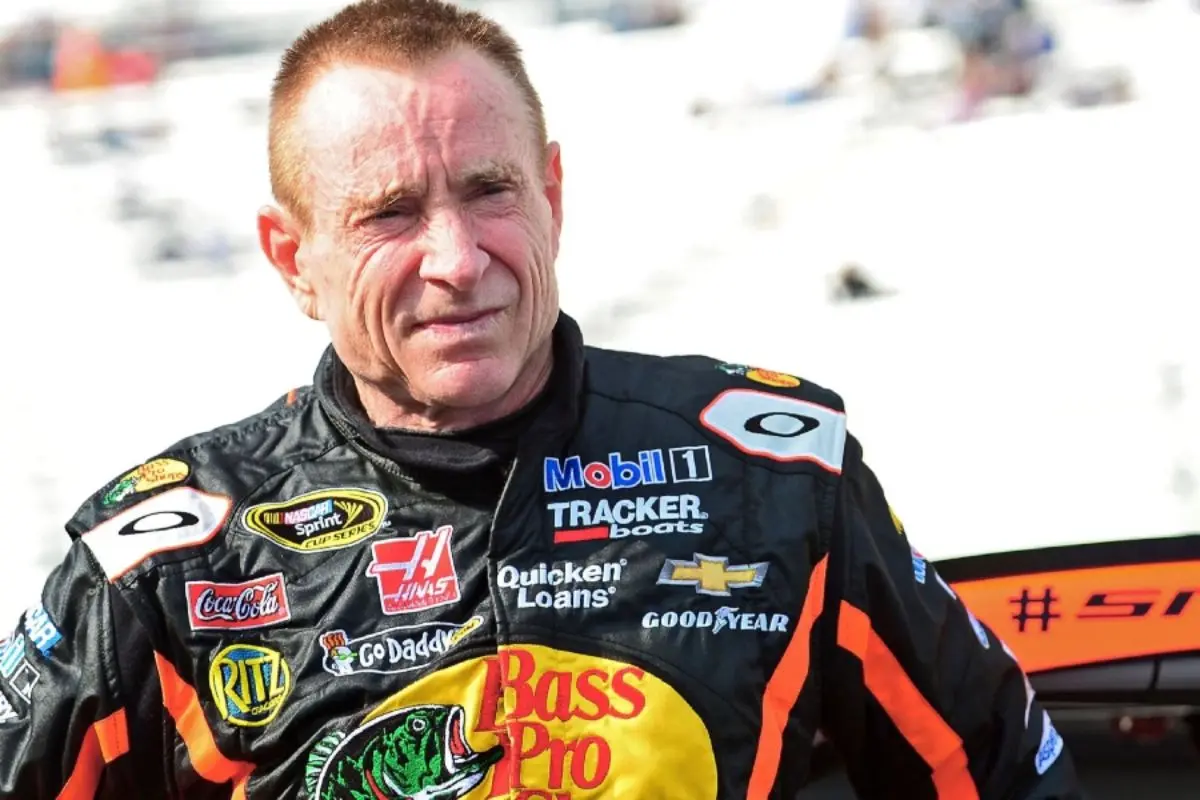
The ongoing horsepower debate in NASCAR serves as a focal point for discussions about the sport’s evolution, intertwining technology and tradition. Mark Martin‘s 2009 car post highlighted this dichotomy, as his nostalgic reflection on the speed of his vehicle sparked fervent discussions among fans and experts similarly. The contrast between the horsepower of cars from his era and the current generation emphasizes broader concerns about the sport’s direction.
Since NASCAR’s inaugural race in 1948, engine performance has been the cornerstone of competitive success. The Hudson Twin-H, a powerhouse of the 1950s, set early benchmarks with its 200 horsepower. As the decades rolled on, the ferocious roar of Ford’s Cammer 427 in the 1980s, producing up to 600 horsepower, became representative of NASCAR’s quest for speed and superiority.
I loved qualifying. And man that car was fast in 09. https://t.co/gRpTIiqUB5
— Mark Martin (@markmartin) December 19, 2024
This pursuit of horsepower crescendoed in 2014 with the advent of electric fuel injection systems, enabling engines to reach a staggering 900 horsepower and top speeds of 217 mph, showcasing technological skill.
However, this evolution raises questions about balancing tradition with innovation. For purists, the reduction in horsepower in recent years signals a departure from the essence of NASCAR, where raw power and speed defined the sport’s identity.
Yet, others advocate for a shift towards sustainability and safety, suggesting that technological innovations must reflect modern priorities. Consequently, Martin’s post serves as a catalyst, urging a re-evaluation of NASCAR’s path and sparking a dialogue about maintaining its spirit amid technological transformations.
NASCAR’s Controversial Engine Power Changes
NASCAR’s decision to implement engine power changes has sparked considerable debate within the racing community, reflecting a deeper tension between tradition and modernity. In an effort to promote more competitive racing, NASCAR made the contentious move to initially cap engine power at 750 horsepower in 2015. This was later reduced to 550 horsepower in 2019, only to be incrementally increased to 670 horsepower.
Proponents of these changes argue that limiting horsepower democratizes competition by leveling the playing field across teams with varying resources. They assert that lower horsepower can improve tactical racing, encouraging drivers to utilize skill over sheer speed.
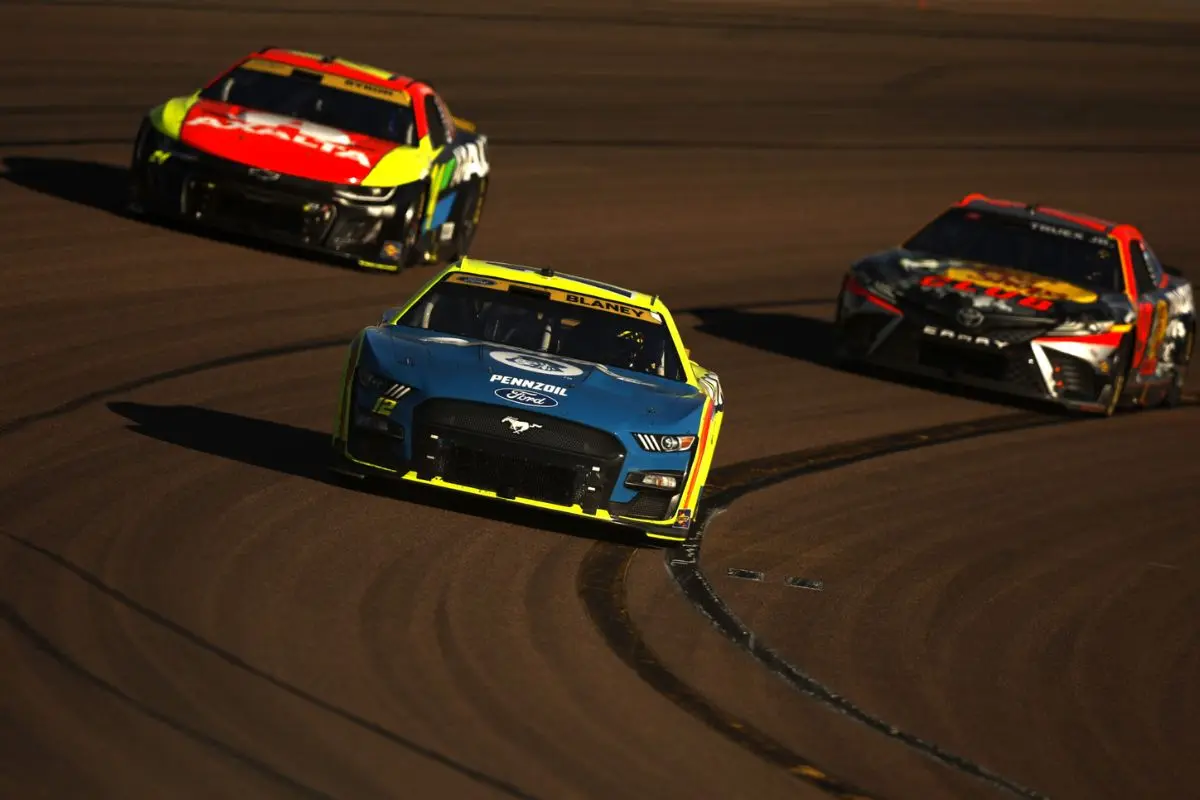
However, detractors maintain that these adjustments dilute the essence of NASCAR, a sport historically celebrated for its raw power and auditory spectacle. For many, the visceral thrill of the sport is inextricably linked to the high-decibel roar and brute force of its machines.
The introduction of the Next Gen car in 2022 further intensified this debate. Critics often reminisce about the pre-next-gen vehicles, nostalgically recalling the distinctive high-pitched tones and formidable presence of earlier models.
Fans’ Discontent and Drivers’ Advocacy for Higher Horsepower
Amid ongoing debates about the future path of NASCAR, a notable contingent of drivers has voiced a clear preference for the return of higher horsepower engines, arguing that it boosts the competitive nature of the sport. Joey Logano, a three-time NASCAR Cup Series champion, passionately advocates for more power, citing benefits such as increased tire wear and a wider track, which fundamentally improves the racing experience.
“Man I miss cup cars having b—-s under the hood.”
“The Next Gen’s have a nice bass to them, but the high-pitched tone that came from these cars was great.”
“One lap qualifying. All out. High HP. The car is loose. High pitch noise. The crowd going crazy. High speed. Man, this was a fun time. Sometimes, simple is better.” – NASCAR Fans Reaction
Logano’s remarks highlight a collective sentiment within the driver community that the push for lower horsepower is not a decision emanating from their ranks. Instead, drivers appear unified in their desire for more robust engines.
We want more power. It increases tyre wear. It makes the track wider. And it’s more bada–.”
“I don’t know where it all comes from; to be honest with you, I think there’s I don’t know who leads the low horsepower band, but I could promise it was not the drivers because I think every one of us wants to have more power.” – Joey Logano
This advocacy is not merely a whim; it is rooted in the tactical elements of racing. Higher horsepower leads to a more challenging and dynamic race environment, demanding greater skill and precision. However, NASCAR’s current cap of 670 horsepower, influenced by cost containment approaches, has sidelined these demands.
Mark Martin’s recent comments have rekindled the conversation, suggesting that this topic may soon regain prominence. As the debate intensifies, the potential shift in NASCAR’s policy could satisfy both drivers’ performance desires and fans’ hunger for more thrilling races. The challenge remains balancing cost efficiency with the needs of the sport’s core participants.

News in Brief: Mark Martin’s 2009 Car Post
The discourse surrounding Mark Martin’s 2009 car post highlights considerable tensions within NASCAR regarding horsepower reductions. Historical context reveals a shift from high-powered engines to contemporary restrictions aimed at safety and competition parity. This evolution has ignited dissatisfaction among fans who lament diminished auditory excitement and perceived performance declines.
Concurrently, drivers advocate for increased horsepower, arguing for improved competitiveness and authenticity in racing. The ongoing debate reflects broader questions about NASCAR’s identity and the balance between innovation and tradition.
ALSO READ: NASCAR Doesn’t Care About Mark Martin’s Opinion – His Unfiltered Thoughts

